عندما يتعلق الأمر باختيار المادة المناسبة للمنتجات بدءًا من الأحذية وحتى الحافظات الواقية, إيفا وبولي كلوريد الفينيل غالبًا ما يأتي كأفضل المتنافسين. كلتا المادتين لهما خصائص فريدة, ولكن فهم نقاط قوتهم, القيود, والتطبيقات النموذجية ضرورية للمصنعين والمستهلكين على حد سواء. سواء كنت أ الشركة المصنعة للحالة أو مجرد فضول حول الاختلافات, سيساعدك هذا الدليل على اتخاذ قرار مستنير.
| ميزة / ملكية | إيفا (أسيتات الفينيل الإيثيلين) | بولي كلوريد الفينيل (كلوريد البولي فينيل) |
| المرونة | مرنة للغاية, ناعم, توسيد | معتدلة إلى جامدة, أقل مرونة |
| وزن | خفيف الوزن | أثقل |
| متانة | متين ولكن يمكن ضغطه بمرور الوقت | متينة للغاية, قوي |
| سمية / أمان | أقل سمية, آمن على البشرة | يمكن أن تطلق مواد كيميائية ضارة (الفثالات) |
| مقاومة الماء | ممتاز, يمكن أن تكون مقاومة للماء بالكامل | مقاوم للماء ولكنه قد يمتص الرطوبة بمرور الوقت |
| مقاومة الأشعة فوق البنفسجية | جيد, مقاومة للتدهور للأشعة فوق البنفسجية | معتدل, قد تتحلل تحت الأشعة فوق البنفسجية لفترة طويلة |
| يكلف | أغلى قليلاً | فعالة من حيث التكلفة, أرخص للإنتاج الضخم |
| التطبيقات | باطن الأحذية, الحصير الرياضية, حالات وقائية, أحذية مائية | أنابيب, الأرضيات, التعبئة والتغليف جامدة, المطاطية |
| التأثير البيئي | أسهل لإعادة التدوير, أقل ضررا على البيئة | من الصعب إعادة التدوير, أقل صديقة للبيئة |
ما هي إيفا و PVC?
إيفا: مادة مرنة وخفيفة الوزن
- ناعمة ومبطنة
إيفا (أسيتات الفينيل الإيثيلين) تقدر بنعومتها ومرونتها, مما يجعلها مثالية للتطبيقات التي تكون فيها الراحة وامتصاص الصدمات أمرًا مهمًا, مثل باطن الأحذية.
- خفيف الوزن
تضمن كثافتها المنخفضة بقاء المنتجات المصنوعة من مادة EVA خفيفة ومحمولة, وهو أمر ذو قيمة خاصة بالنسبة للعناصر التي يمكن ارتداؤها وحالات الحماية المحمولة.
- آمن على البشرة
EVA بشكل عام أقل سمية من PVC, مما يعني أنه أكثر أمانًا لملامسة الجلد على المدى الطويل.
بولي كلوريد الفينيل: بلاستيك قوي ومتين
- جامدة وقوية
بولي كلوريد الفينيل (كلوريد البولي فينيل) يوفر القوة الهيكلية, مما يجعلها مناسبة للمنتجات التي تتطلب المتانة, مثل الأرضيات أو التغليف.
- استخدامات متعددة
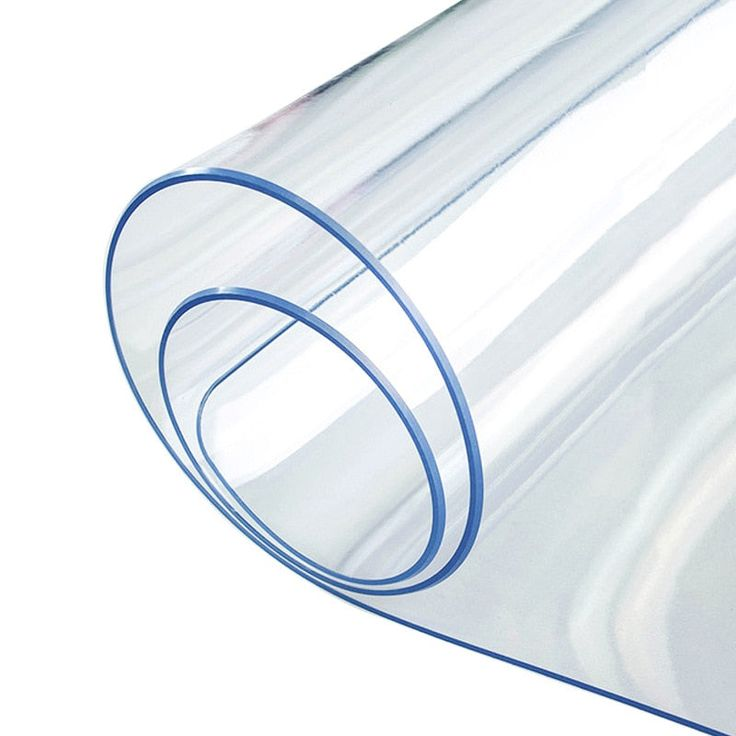
يمكن تصنيع PVC في أشكال مرنة وصلبة, مما يوسع نطاق تطبيقاته.
- فعالة من حيث التكلفة
غالبًا ما تكون أرخص من EVA, وخاصة في الإنتاج على نطاق صناعي.
إيفا مقابل PVC: الاختلافات الرئيسية
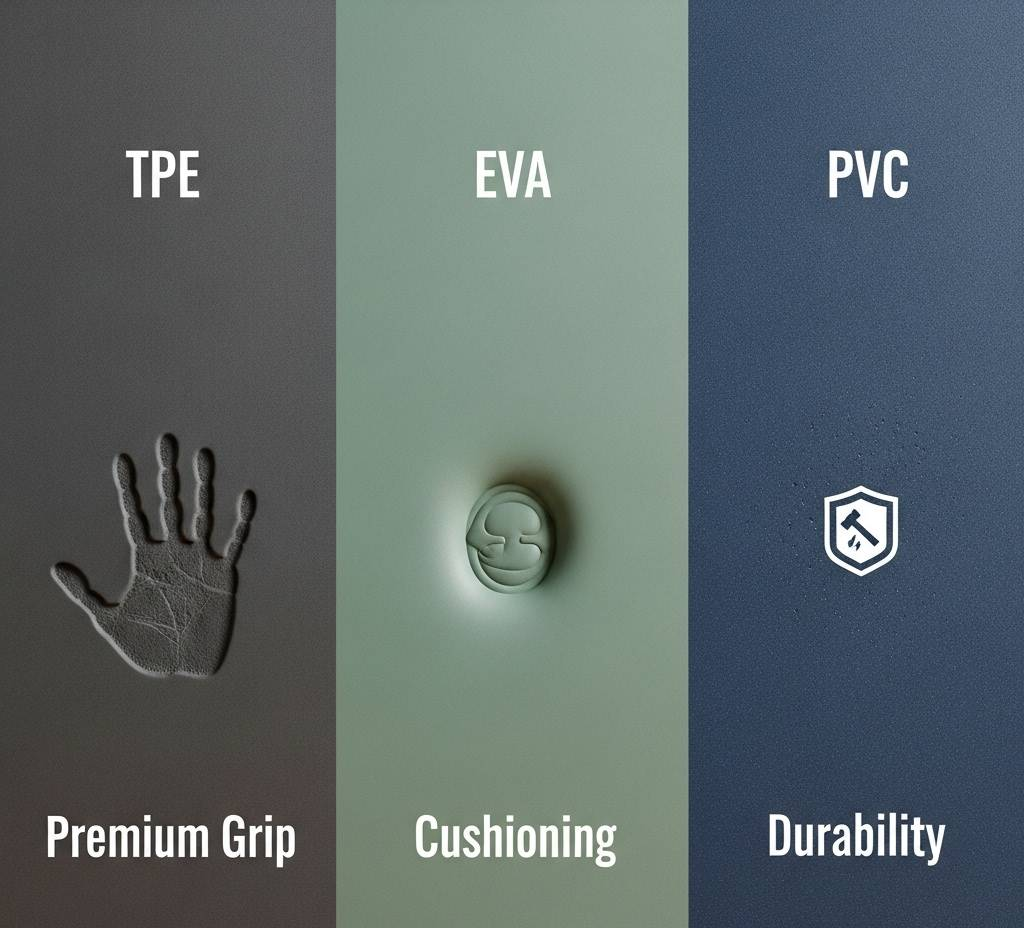
المرونة والراحة
- مادة EVA مقابل مادة PVC: مادة EVA مرنة للغاية وتمنحك التوسيد, في حين أن PVC أكثر صلابة وأقل تسامحًا تحت الضغط.
- التطبيقات مهمة: لنعال الأحذية, حصيرة اليوغا, أو حالات وقائية ناعمة, توفر مرونة EVA الراحة وامتصاص الصدمات. بولي كلوريد الفينيل, في المقابل, مناسب أكثر للعناصر الصلبة مثل الألواح أو حاويات التغليف.
سمية والسلامة
- إيفا أكثر أمانا: تعتبر مادة EVA أقل سمية وآمنة بشكل عام للمنتجات الاستهلاكية التي تلامس الجلد.
- مخاوف PVC: تطلق بعض تركيبات PVC مواد كيميائية ضارة مثل الفثالات, مما يجعلها أقل ملاءمة للمنتجات القابلة للارتداء.
- التأثير البيئي: من السهل إعادة تدوير مادة EVA في كثير من الحالات ولها مخاوف بيئية أقل من مادة PVC التقليدية.
مقاومة الماء
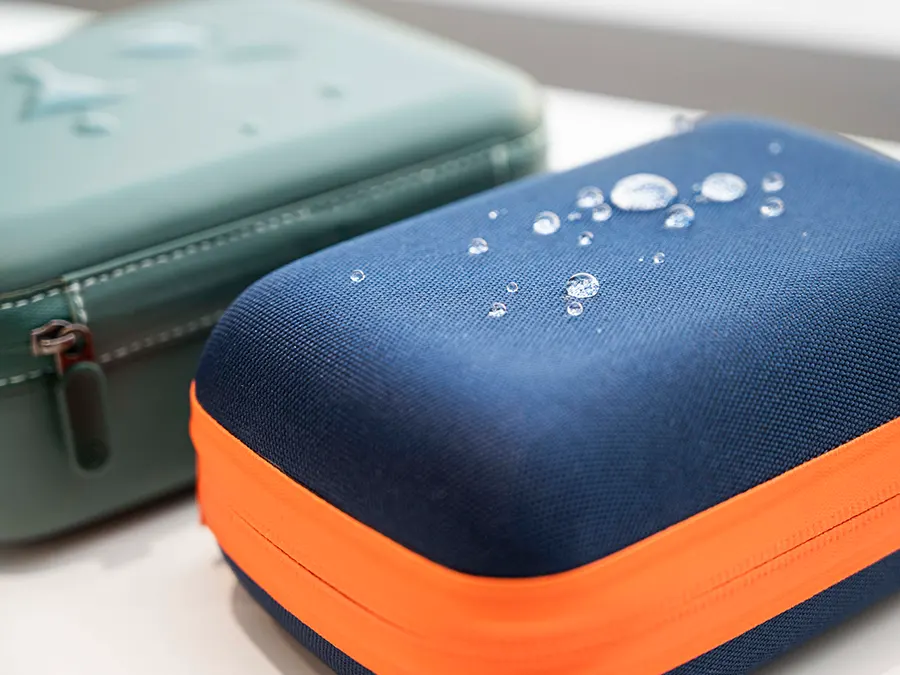
- إيفا تسرب المياه: يمكن أن تكون إيفا 100% مقاوم للماء عند تشكيله أو إغلاقه, ولهذا السبب تحظى بشعبية كبيرة في الأحذية المائية والحقائب المقاومة للماء.
- مقاومة PVC: مادة PVC مقاومة للماء ولكنها قد تمتص الرطوبة بأشكال معينة أو عندما تتعرض للتعرض لفترة طويلة.
- الآثار العملية: للمعدات الخارجية أو التغليف المقاوم للماء, غالبًا ما تتفوق مادة EVA على مادة PVC في مقاومة الماء على المدى الطويل.
إيجابيات وسلبيات إيفا
مزايا إيفا
- خفيفة الوزن ومحمولة: مثالية للأحذية, الحصير, والحالات التي يجب حملها أو ارتداؤها بشكل مريح.
- امتصاص الصدمات: يحمي القدمين, معدات, أو العناصر المعبأة من التأثيرات.
- أقل سمية: آمن للاستخدام لفترة طويلة مع الجلد.
- مقاومة الماء والأشعة فوق البنفسجية: يحافظ على الأداء تحت التعرض لأشعة الشمس أو الرطوبة.
عيوب إيفا
- حساسية الحرارة: يمكن أن يتشوه تحت حرارة عالية أو ضغط لفترة طويلة.
- تكلفة أعلى: قد يكون أكثر تكلفة من PVC في بعض التطبيقات, وخاصة في التصنيع على نطاق واسع.
- الضغط مع مرور الوقت: على مدى سنوات من الاستخدام, قد تفقد مادة EVA تأثيرها المبطن تدريجيًا.
إيجابيات وسلبيات PVC
مزايا PVC
- متين وقوي: مناسبة للمنتجات التي تتطلب سلامة هيكلية عالية.
- فعالة من حيث التكلفة: في كثير من الأحيان أرخص من إيفا, مما يجعلها مثالية للتطبيقات واسعة النطاق أو الصناعية.
- متنوع القدرات: يمكن تصنيعها في أشكال مرنة وصلبة لتناسب الاحتياجات المختلفة.
عيوب PVC
- أقل راحة: أكثر صلابة وأقل تسامحًا تحت الضغط مقارنة بـ EVA.
- مخاطر السمية: يمكن للـ PVC المعالج بشكل غير صحيح أن يطلق مواد كيميائية ضارة بالبشر والبيئة.
- المخاوف البيئية: يعتبر PVC أقل صداقة للبيئة ويصعب إعادة تدويره من EVA.
الأسئلة الشائعة حول EVA وPVC
ما هو الفرق بين رغوة EVA و PVC?
رغوة EVA ناعمة, خفيف الوزن, والوسادة, مما يجعلها مثالية للأحذية, معدات رياضية, وحالات الحماية. رغوة PVC أصعب, أكثر كثافة, وأكثر صرامة, تستخدم عادة في البناء, الأرضيات, والتعبئة. باختصار, تؤكد مادة EVA على الراحة والمرونة, بينما يؤكد PVC على القوة والمتانة.
هل مادة EVA أقل سمية من مادة PVC?
نعم. يعتبر EVA أكثر أمانًا بشكل عام عند ملامسته للجلد ويعتبر أقل سمية من PVC, والتي قد تطلق مواد كيميائية مثل الفثالات إذا لم يتم تثبيتها بشكل صحيح. وهذا يجعل إيفا هو المفضل اختيار للأحذية, منتجات يمكن ارتداؤها, وحالات الحماية.
هو إيفا 100% ضد للماء?
يمكن أن تكون إيفا بالكامل ضد للماء عندما مصبوب أو مختومة, مما يجعلها ممتازة للأحذية المائية, الحصير, وحالات للماء. PVC مقاوم للماء, لكن مادة EVA غالبًا ما توفر حماية فائقة ضد الرطوبة على المدى الطويل.
تطبيقات EVA وPVC
تطبيقات EVA
- الأحذية: يستخدم EVA على نطاق واسع في نعال الأحذية والنعال (ما هو إيفا للأحذية).
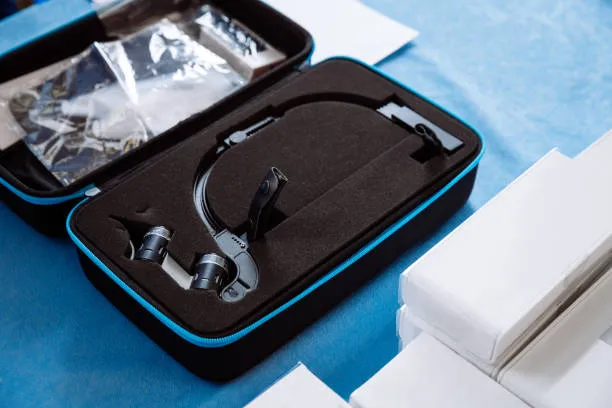
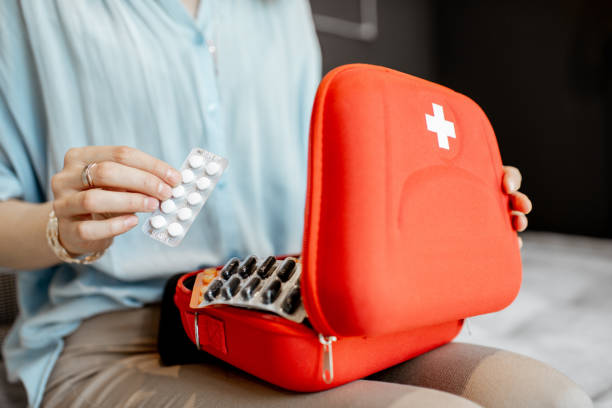
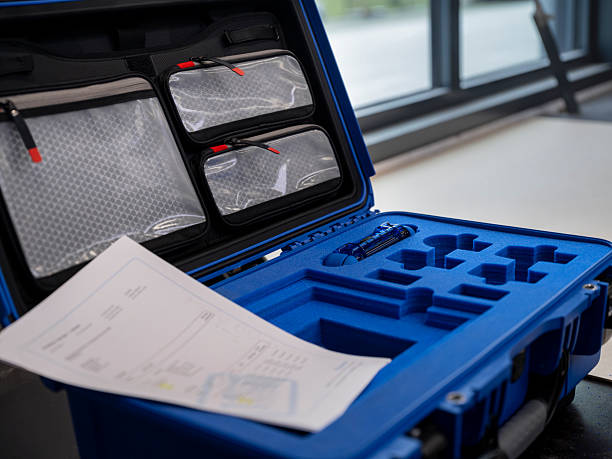
- حالات وقائية: خفيف الوزن وممتص للصدمات, مثالية للإلكترونيات, كاميرات, وغيرها من الأجهزة (الشركة المصنعة للحالة التطبيقات).
- سجادات الرياضة واليوجا: مبطن ومريح لعشاق اللياقة البدنية.
- منتجات مقاومة للماء: مناسبة للأحذية المائية, الحصير, والعتاد في الهواء الطلق.
تطبيقات PVC
- مواد البناء: أنابيب, لوحات, والأرضيات.
- التغليف: التغليف الصناعي أو الحاويات الصلبة.
- المطاطية والألعاب: متينة وقابلة للتشكيل للمنتجات الترفيهية.
- التطبيقات الحساسة للتكلفة: عندما تكون هناك حاجة إلى الصلابة ولكن الميزانية تشكل مصدر قلق.
خاتمة
يعتمد الاختيار بين مادة بلاستيك EVA وPVC على غرض منتجك ومتطلبات الأداء. إذا كنت بحاجة إلى خفيفة الوزن, مرن, ومواد آمنة على الجلد, إيفا هو الحل الأمثل, خاصة بالنسبة للأحذية, حالات وقائية, والمنتجات المقاومة للماء. على الجانب الآخر, إذا كانت أولويتك هي الصلابة, متانة, وفعالية التكلفة, قد يكون PVC هو الخيار الأفضل.
إن فهم مادة EVA مقابل مادة PVC يضمن ذلك الشركات المصنعة للحالة ويتخذ مصممو المنتجات قرارات مستنيرة تعمل على تحقيق التوازن بين الأداء, أمان, والتكلفة. مع الاختيار الصحيح, يمكن أن تكون منتجاتك عملية وطويلة الأمد, أثناء تلبية احتياجات عملائك.
إذا كنت تبحث عن حافظات EVA مخصصة متميزة أو إرشادات الخبراء حول اختيار المادة المناسبة لمشروعك القادم, زيارتنا في kfcase.com. فريقنا جاهز لمساعدتك في إنشاء منتجات عالية الجودة, حالات عالية الأداء مصممة خصيصًا لعلامتك التجارية.