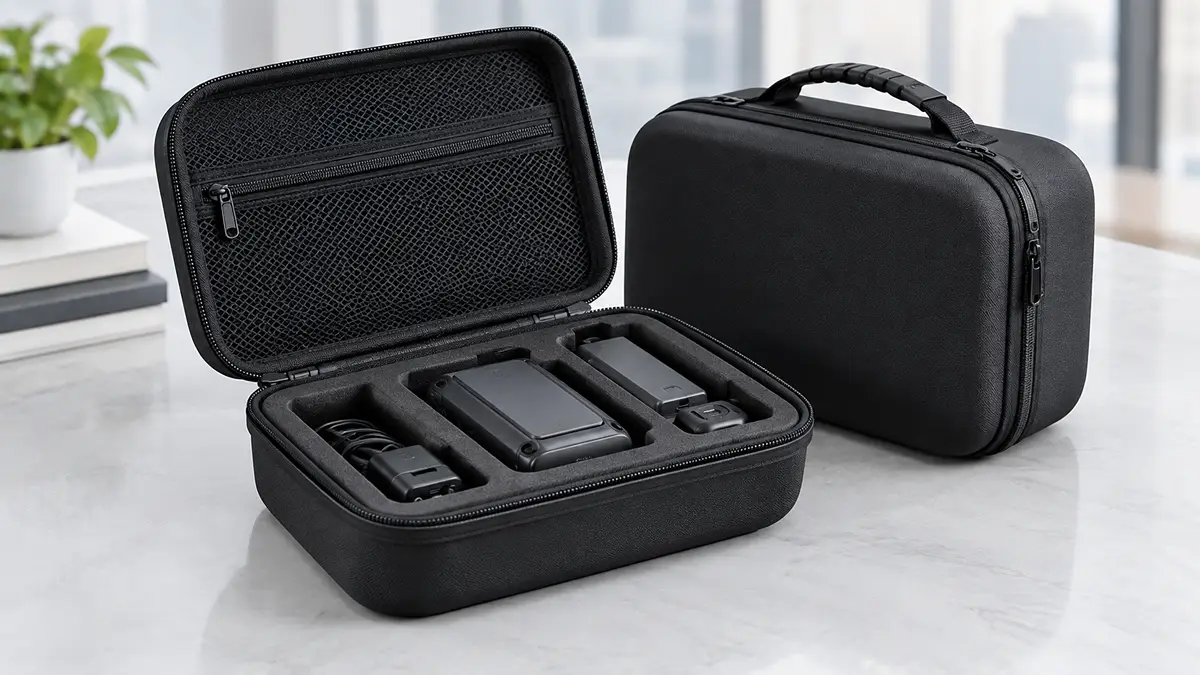
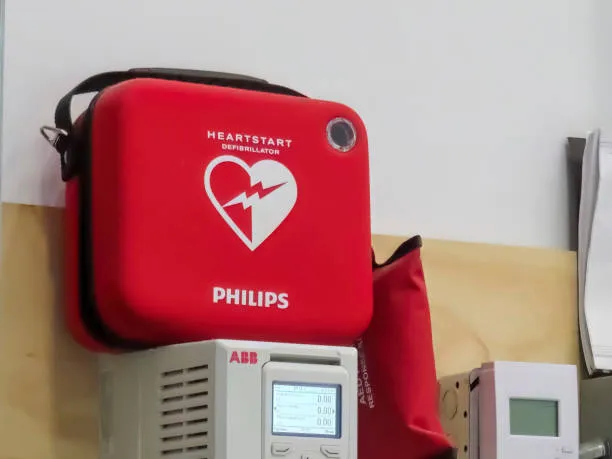
चिकित्सा उपकरण अक्सर खराब उपकरण गुणवत्ता के कारण क्षतिग्रस्त नहीं होते हैं, लेकिन परिवहन और भंडारण के दौरान अनुचित पैकेजिंग के कारण. झटका, कंपन, दबाव बदलता है, और आंतरिक हलचल से उपकरण विफल हो सकता है, अंशांकन मुद्दे, या महंगा प्रतिस्थापन. एक उपयुक्त केस को डिवाइस की सुरक्षा करनी चाहिए, दैनिक हैंडलिंग का समर्थन करें, और अस्पतालों में वास्तविक दुनिया की परिवहन स्थितियों से मेल खाता है, क्लिनिक, और क्षेत्र का वातावरण.
यह मार्गदर्शिका सुरक्षा आवश्यकताओं के आधार पर आपके चिकित्सा उपकरणों के लिए सबसे उपयुक्त कैरी केस चुनने में आपकी मदद करने के लिए एक व्यावहारिक चरण-दर-चरण विधि बताती है, उपयोग का वातावरण, और रसद आवश्यकताएँ.
कदम 1: अपने डिवाइस सुरक्षा स्तर की पहचान करें
पहला कदम यह स्पष्ट रूप से समझना है कि आपके डिवाइस को वास्तव में कितनी सुरक्षा की आवश्यकता है. विभिन्न चिकित्सा उपकरणों में संवेदनशीलता का स्तर बहुत भिन्न होता है, और गलत सुरक्षा स्तर के कारण परिवहन के दौरान अनावश्यक लागत या अपर्याप्त सुरक्षा हो सकती है.
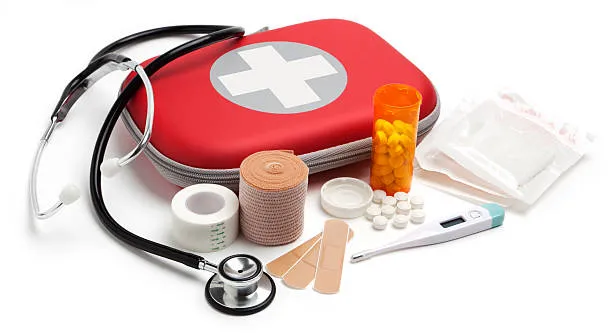
उच्च नाजुकता वाले चिकित्सा उपकरण
उच्च नाजुकता वाले उपकरणों में डायग्नोस्टिक सिस्टम जैसे सटीक उपकरण शामिल हैं, ऑप्टिकल उपकरण, और संवेदनशील इलेक्ट्रॉनिक मॉड्यूल. ये उपकरण कंपन के प्रति अत्यधिक संवेदनशील हैं, प्रभाव, और यहां तक कि परिवहन के दौरान छोटी आंतरिक हलचल भी, जिसका अर्थ है कि उन्हें प्रदर्शन सटीकता बनाए रखने और अंशांकन त्रुटियों या संरचनात्मक क्षति से बचने के लिए कसकर नियंत्रित आंतरिक निर्धारण और मजबूत सदमे अवशोषण की आवश्यकता होती है.
मध्यम नाजुकता वाले चिकित्सा उपकरण
मध्यम नाजुकता वाले उपकरण आमतौर पर सामान्य नैदानिक कार्यप्रवाह में उपयोग किए जाते हैं, जैसे निगरानी उपकरण और पोर्टेबल डायग्नोस्टिक उपकरण. ये उपकरण मध्यम हैंडलिंग तनाव को सहन कर सकते हैं लेकिन फिर भी सुविधाओं या विभागों के बीच बार-बार परिवहन के दौरान घिसाव या कार्यात्मक बहाव को रोकने के लिए स्थिर आंतरिक समर्थन की आवश्यकता होती है.
कम नाजुकता वाले चिकित्सा उपकरण
कम नाजुकता वाले उपकरणों में आम तौर पर टिकाऊ चिकित्सा उपकरण और सहायक उपकरण शामिल होते हैं जो संरचनात्मक रूप से मजबूत होते हैं और कंपन या मामूली प्रभाव के प्रति कम संवेदनशील होते हैं. जबकि उन्हें उन्नत कुशनिंग सिस्टम की आवश्यकता नहीं होती है, वे अभी भी सुरक्षित संचालन सुनिश्चित करने और रसद संचालन के दौरान सतह की क्षति को रोकने के लिए संगठित भंडारण और बुनियादी सुरक्षा से लाभान्वित होते हैं.
कदम 2: अपने उपयोग के माहौल को परिभाषित करें
उपयोग परिवेश यह निर्धारित करता है कि किसी मामले को कितनी बार संभाला जाएगा, आपके चिकित्सा उपकरण कितनी दूर तक पहुंचाए जाएंगे, और सुरक्षा के बीच किस संतुलन की आवश्यकता है, वज़न, और प्रयोज्यता.
अस्पताल और नैदानिक वातावरण
अस्पताल और क्लिनिकल सेटिंग में, आपका चिकित्सकीय संसाधन आमतौर पर विभागों जैसे नियंत्रित आंतरिक प्रणालियों के भीतर ले जाया जाता है, भंडारण क्षेत्र, और उपचार कक्ष. आमतौर पर ध्यान स्वच्छता अनुपालन पर होता है, मानकीकृत भंडारण, और लंबी दूरी के परिवहन के बजाय बार-बार संभालना.
इन वातावरणों के लिए, मामले को परिचालन जटिलता को जोड़े बिना मौजूदा क्लिनिकल वर्कफ़्लो में सुचारू रूप से फिट करते हुए स्थिर संगठन और बार-बार सफाई का समर्थन करने की आवश्यकता है.
फ़ील्ड और मोबाइल चिकित्सा वातावरण
फ़ील्ड और मोबाइल चिकित्सा वातावरण में विभिन्न स्थानों के बीच आपके उपकरणों की लगातार आवाजाही शामिल होती है, जैसे कि आपातकालीन स्थल, अस्थायी क्लीनिक, या रोगी घर. इससे पोर्टेबिलिटी का महत्व बढ़ जाता है, हैंडलिंग दक्षता, और निरंतर परिवहन के दौरान लगातार सुरक्षा.
इस प्रकार के वर्कफ़्लो में, हल्की संरचना और विश्वसनीय शॉक अवशोषण दैनिक उपयोग के लिए प्रमुख आवश्यकताएं बन जाते हैं. कई मोबाइल हेल्थकेयर एप्लिकेशन स्वाभाविक रूप से ईवीए-आधारित कैरीइंग समाधानों को पसंद करते हैं क्योंकि वे गतिशील वातावरण में सुरक्षा प्रदर्शन को बनाए रखते हुए बोझ को कम करने में मदद करते हैं.
गृह देखभाल वातावरण
घरेलू देखभाल वातावरण गैर-पेशेवर उपयोगकर्ताओं के लिए उपयोगिता और सुरक्षा पर अधिक जोर देता है. आपके चिकित्सा उपकरण अक्सर मरीज़ों या देखभालकर्ताओं द्वारा संभाले जाते हैं, इसलिए केस को ले जाना आसान होना चाहिए, खोलने में आसान, और रोजमर्रा के भंडारण के लिए सुरक्षित है. एक ही समय पर, विश्वसनीय दैनिक उपयोग सुनिश्चित करने के लिए आकस्मिक बूंदों या हैंडलिंग त्रुटियों के खिलाफ बुनियादी सुरक्षा अभी भी आवश्यक है.
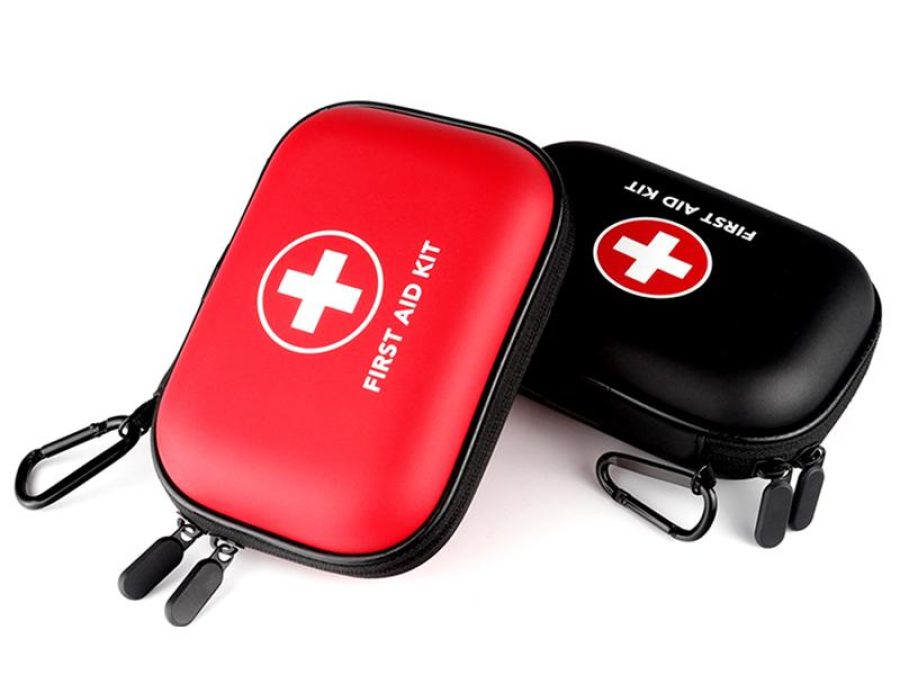
स्वास्थ्य देखभाल उपकरणों के लिए कस्टम मेडिकल-ग्रेड ईवीए केस
कदम 3: परिवहन स्थितियों का मूल्यांकन करें
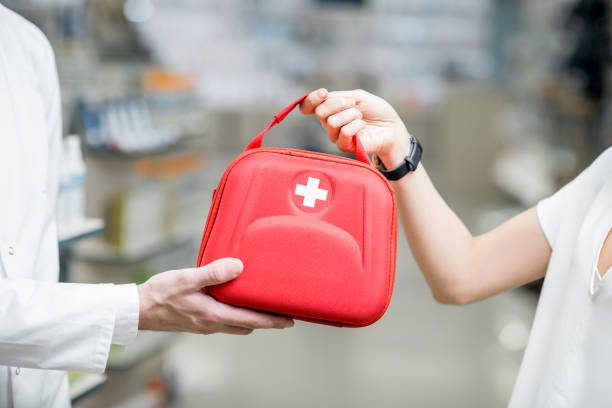
परिवहन की स्थिति यह निर्धारित करती है कि वितरण के दौरान आपके चिकित्सा उपकरण को कितना यांत्रिक तनाव का अनुभव होगा. विभिन्न लॉजिस्टिक्स वातावरण उपकरणों को कंपन के विभिन्न स्तरों पर उजागर करते हैं, प्रभाव, दबाव बदलता है, और बार-बार संभालना, ये सभी कैरी केस के आवश्यक सुरक्षा स्तर को प्रभावित करते हैं.
निर्णय लेने में सहायता करना, निम्न तालिका सामान्य परिवहन परिदृश्यों और उनकी संगत सुरक्षा आवश्यकताओं का सारांश प्रस्तुत करती है.
परिवहन जोखिम और मामले की आवश्यकता का अवलोकन
| परिवहन परिदृश्य | जोखिम स्तर | मुख्य तनाव कारक | केस आवश्यकता फोकस |
|---|---|---|---|
| कम दूरी का परिवहन | कम | मामूली संभाल, हल्का कंपन | बुनियादी सुरक्षा और आंतरिक संगठन |
| लंबी दूरी की शिपिंग | मध्यम | बार-बार कंपन होना, स्टैकिंग दबाव, चक्रों को संभालना | संरचनात्मक स्थिरता और आंतरिक निर्धारण |
| हवाई माल परिवहन | मध्यम ऊँचाई | दबाव बदलता है, तापमान में उतार-चढ़ाव, मल्टी-स्टेज हैंडलिंग | नियंत्रित आंतरिक समर्थन और संरचनात्मक स्थिरता |
| उच्च-आवृत्ति मल्टी-स्टेज लॉजिस्टिक्स | उच्च | बार-बार संभालना, संचयी प्रभाव, मिश्रित वातावरण | लगातार शॉक अवशोषण के साथ हल्की संरचना |
मल्टी-स्टेज लॉजिस्टिक्स संबंधी विचार
जैसे-जैसे लॉजिस्टिक जटिलता बढ़ती है, विशेष रूप से मल्टी-स्टेज वितरण नेटवर्क में, चिकित्सा उपकरणों को विभिन्न ऑपरेटरों और वातावरणों में बार-बार संभालने का सामना करना पड़ता है. इससे संचयी प्रभाव तनाव और आंतरिक आंदोलन संबंधी समस्याओं की संभावना बढ़ जाती है, यहां तक कि जब व्यक्तिगत परिवहन चरण कम जोखिम वाले दिखाई देते हैं.
इन परिदृश्यों में, विश्वसनीय शॉक अवशोषण के साथ हल्की संरचना को संयोजित करने वाली कैरीइंग प्रणालियाँ अक्सर पूरे वितरण चक्र के दौरान लगातार सुरक्षा प्रदर्शन को बनाए रखने के लिए उपयोग की जाती हैं.
कदम 4: एप्लिकेशन आवश्यकताओं के आधार पर सही कैरी केस प्रकार का चयन करें
इस स्तर पर, आपके चयन को कैरी केस के प्रकार पर ध्यान केंद्रित करना चाहिए जो आपके चिकित्सा उपकरण के ऑपरेटिंग वातावरण के लिए सबसे उपयुक्त हो. सुरक्षा को संतुलित करने के लिए विभिन्न केस प्रकार डिज़ाइन किए गए हैं, सुवाह्यता, और विभिन्न वास्तविक दुनिया के चिकित्सा वर्कफ़्लो के तहत आंतरिक संगठन.
संरचित परिवहन वातावरण के लिए कठोर प्लास्टिक ले जाने के मामले
प्लास्टिक ले जाने वाले कठोर मामलों का उपयोग आमतौर पर अस्पतालों जैसे संरचित वातावरण में किया जाता है, प्रयोगशालाएं, और केंद्रीकृत चिकित्सा रसद प्रणाली. ये मामले मजबूत बाहरी सुरक्षा और स्थिर स्टैकिंग प्रदर्शन प्रदान करते हैं, उन्हें नियंत्रित हैंडलिंग स्थितियों के लिए उपयुक्त बनाना जहां उपकरण को पूर्वानुमानित वर्कफ़्लो के भीतर ले जाया जाता है.
जब आपके चिकित्सा उपकरण संग्रहीत होते हैं तो वे सबसे प्रभावी होते हैं, पहुँचाया, और मानकीकृत नैदानिक या संस्थागत प्रणालियों के भीतर पुन: उपयोग किया जाता है.
मोबाइल चिकित्सा अनुप्रयोगों के लिए ईवीए कैरीइंग केस
ईवीए ले जाने के मामलों का व्यापक रूप से उन परिदृश्यों में उपयोग किया जाता है जहां आपके चिकित्सा उपकरणों को विभिन्न स्थानों के बीच अक्सर परिवहन की आवश्यकता होती है. ये मामले आंतरिक कुशनिंग गुणों के साथ एक अर्ध-कठोर बाहरी संरचना को जोड़ते हैं, पोर्टेबिलिटी और प्रभाव सुरक्षा के बीच एक व्यावहारिक संतुलन प्रदान करना.
वास्तविक दुनिया के अनुप्रयोगों में, ईवीए कैरी केस को अक्सर मोबाइल स्वास्थ्य सेवाओं के लिए चुना जाता है, क्षेत्र निदान, और वितरित चिकित्सा संचालन जहां उपकरण को अलग-अलग वातावरण में बार-बार परिवहन और हैंडलिंग के संपर्क में लाया जाता है.
उच्च-संवेदनशीलता वाले उपकरणों के लिए फोम-संरचित या प्रबलित कैरीइंग केस
फोम-संरचित या प्रबलित कैरी केस का उपयोग तब किया जाता है जब चिकित्सा उपकरणों को संवेदनशीलता के कारण अत्यधिक नियंत्रित आंतरिक निर्धारण की आवश्यकता होती है, अनियमित आकार, या कंपन-प्रवण घटक. ये मामले परिवहन के दौरान गति को कम करने और झटके को अवशोषित करने के लिए ले जाने वाली प्रणाली में एकीकृत सटीक-कट आंतरिक फोम संरचनाओं पर निर्भर करते हैं.
इन्हें आम तौर पर विशेष चिकित्सा उपकरणों में लागू किया जाता है जहां स्थिरता और सुरक्षा सुनिश्चित करने के लिए मानक आंतरिक लेआउट पर्याप्त नहीं होते हैं.
कदम 5: उचित आंतरिक फ़िट डिज़ाइन सुनिश्चित करें
तब भी जब सही कैरी केस प्रकार का चयन किया गया हो, खराब आंतरिक फ़िट डिज़ाइन अभी भी उपकरण की गति को जन्म दे सकता है, तनाव एकाग्रता, और परिवहन के दौरान सुरक्षा विफलता. इसलिए आंतरिक फिट एक महत्वपूर्ण कारक है जो चिकित्सा ले जाने वाली प्रणालियों के प्रदर्शन को सीधे प्रभावित करता है.
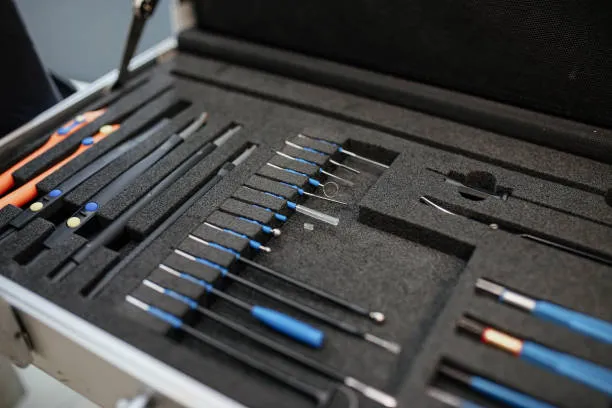
केस के अंदर सुरक्षित डिवाइस फिक्सेशन
कंपन के दौरान हिलने-डुलने से रोकने के लिए आपके चिकित्सा उपकरण कैरी केस के अंदर पूरी तरह से स्थिर होने चाहिए, प्रभाव, या बार-बार संभालना. किसी भी आंतरिक हलचल से सतह के घर्षण का खतरा बढ़ जाता है, संरचनात्मक तनाव, या कार्यात्मक गलत संरेखण, विशेष रूप से संवेदनशील या सटीक उपकरणों के लिए.
संतुलन कुशनिंग और संरचनात्मक समर्थन
प्रभावी सुरक्षा के लिए कुशनिंग सामग्री और संरचनात्मक समर्थन के बीच संतुलन की आवश्यकता होती है. डिवाइस को स्थिर स्थिति में रखने के लिए पर्याप्त कठोरता बनाए रखते हुए आंतरिक पैडिंग को शॉक ऊर्जा को अवशोषित करना चाहिए. अत्यधिक कोमलता गति की अनुमति दे सकती है, जबकि अत्यधिक कठोर संरचनाएं प्रभाव बलों को सीधे उपकरण पर स्थानांतरित कर सकती हैं.
वास्तविक डिवाइस आकार के लिए आंतरिक लेआउट को अनुकूलित करें
एक अच्छी तरह से डिज़ाइन किया गया आंतरिक लेआउट सामान्य रिक्ति का उपयोग करने के बजाय आपके चिकित्सा उपकरणों की वास्तविक ज्यामिति से मेल खाना चाहिए. कस्टम-फिट कैविटीज़ दबाव को समान रूप से वितरित करने और परिवहन के दौरान तनाव बिंदुओं को कम करने में मदद करती हैं. कई व्यावहारिक डिज़ाइनों में, ईवीए-आधारित आंतरिक संरचनाएं या सटीक-कट फोम आवेषण आमतौर पर फिट सटीकता के इस स्तर को प्राप्त करने के लिए उपयोग किए जाते हैं.
अंतिम विचार
चिकित्सा उपकरण रसद में, कैरी केस का प्रदर्शन इस बात से निर्धारित होता है कि यह वास्तविक परिचालन स्थितियों से कितना मेल खाता है, जैसे परिवहन दूरी, हैंडलिंग आवृत्ति, और आंतरिक स्थिरीकरण के स्तर की आवश्यकता है. एक बार इन चरों पर एक साथ विचार किया जाए, चयन अधिक सरल हो जाता है: कठोर प्लास्टिक के मामले संरचित वातावरण के लिए उपयुक्त हैं, ईवीए कैरी केस लगातार मोबाइल उपयोग का समर्थन करते हैं, और फोम-प्रबलित डिज़ाइन लागू किए जाते हैं जहां आंतरिक स्थिति और कंपन नियंत्रण महत्वपूर्ण होते हैं.
पर किनफिश केस, हम चिकित्सा और औद्योगिक अनुप्रयोगों के लिए ईवीए-आधारित सुरक्षात्मक कैरिंग सिस्टम डिजाइन और निर्माण करते हैं. हमारा काम व्यावहारिक इंजीनियरिंग परिणामों-हल्के ढांचे पर केंद्रित है, नियंत्रित आघात अवशोषण, और कस्टम आंतरिक लेआउट विशिष्ट डिवाइस आयामों और वर्कफ़्लो के साथ संरेखित. तेज़ प्रोटोटाइपिंग और OEM लचीलेपन के साथ, हम प्रारंभिक अवधारणा से लेकर मान्य उत्पादन नमूनों तक टीमों का समर्थन करते हैं।
👉आज ही हमसे संपर्क करें आपकी चिकित्सा उपकरण आवश्यकताओं के अनुरूप एक कैरीइंग समाधान विकसित करना.
अक्सर पूछे जाने वाले प्रश्नों
मेडिकल कैरी केस चुनते समय मुझे किन कारकों पर विचार करना चाहिए??
ए का चयन करते समय चिकित्सा ले जाने का मामला, प्रमुख कारकों में डिवाइस की नाजुकता शामिल है, परिवहन दूरी, हैंडलिंग आवृत्ति, और आंतरिक स्थिरीकरण आवश्यकताएँ. ये तत्व निर्धारित करते हैं कि प्लास्टिक कठोर है या नहीं, ईवा, या फोम-प्रबलित केस वास्तविक दुनिया में उपयोग के दौरान सुरक्षा बनाए रखने के लिए अधिक उपयुक्त है.
मैं ईवीए और हार्ड प्लास्टिक मेडिकल केस के बीच कैसे चयन करूं??
चुनाव इस बात पर निर्भर करता है कि व्यवहार में आपके उपकरण का उपयोग कैसे किया जाता है. अस्पताल की रसद और भंडारण प्रणालियों जैसे संरचित वातावरण के लिए कठोर प्लास्टिक के मामले बेहतर होते हैं, जबकि ईवीए केस मोबाइल अनुप्रयोगों के लिए अधिक उपयुक्त हैं जहां उपकरण अक्सर ले जाया जाता है और वजन घटाने और प्रभाव संरक्षण के संतुलन की आवश्यकता होती है.
चिकित्सा उपकरण परिवहन पैकेजिंग के लिए मानक क्या है??
चिकित्सा उपकरण परिवहन पैकेजिंग आमतौर पर आईएसओ के अनुसार डिजाइन की जाती है 11607 आवश्यकताएं, जो बाँझ बाधा अखंडता को बनाए रखने और वितरण के दौरान सुरक्षा सुनिश्चित करने पर ध्यान केंद्रित करता है. अनुपालन के अतिरिक्त, वास्तविक लॉजिस्टिक स्थितियों में कंपन प्रतिरोध और आंतरिक निर्धारण जैसे व्यावहारिक प्रदर्शन कारक भी महत्वपूर्ण हैं.
क्या ईवीए मामलों को विशिष्ट चिकित्सा उपकरणों के लिए अनुकूलित किया जा सकता है??
हाँ, ईवीए कैरी केस को डिवाइस के आयामों के आधार पर पूरी तरह से अनुकूलित किया जा सकता है, आंतरिक लेआउट आवश्यकताएँ, और उपयोग परिदृश्य. अनुकूलन में आम तौर पर ढाले गए अंदरूनी भाग शामिल होते हैं, फोम आवेषण, और परिवहन और हैंडलिंग के दौरान स्थिर स्थिति और लगातार सुरक्षा सुनिश्चित करने के लिए संरचनात्मक समायोजन.
मोबाइल चिकित्सा उपकरण के लिए किस प्रकार का केस सर्वोत्तम है?
मोबाइल चिकित्सा उपकरण के लिए, ईवीए कैरी केस का व्यापक रूप से उपयोग किया जाता है क्योंकि वे शॉक-अवशोषित प्रदर्शन के साथ संयुक्त रूप से एक हल्की संरचना प्रदान करते हैं. यह उन्हें क्षेत्र निदान के लिए उपयुक्त बनाता है, घरेलू स्वास्थ्य देखभाल प्रणालियाँ, और बहु-स्थान चिकित्सा कार्यप्रवाह जहां बार-बार परिवहन की आवश्यकता होती है.