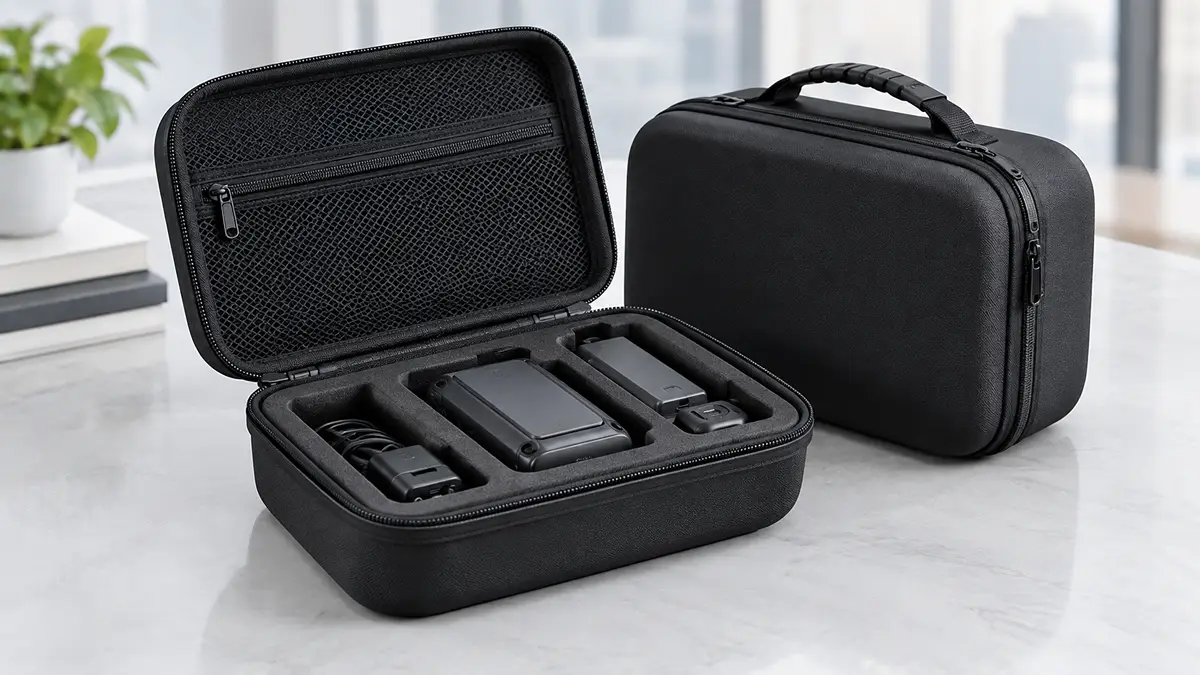
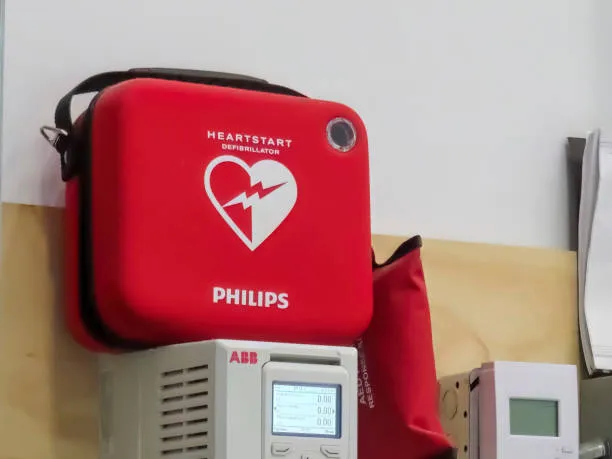
Медицинское оборудование часто выходит из строя не из-за плохого качества устройства, но из-за неправильной упаковки при транспортировке и хранении. Шок, вибрация, изменения давления, и внутреннее движение могут привести к выходу устройства из строя, проблемы с калибровкой, или дорогостоящие замены. Подходящий чехол должен защитить устройство, поддержка ежедневной обработки, и сопоставлять реальные условия транспортировки между больницами, клиники, и полевые условия.
В этом руководстве объясняется практический пошаговый метод, который поможет вам выбрать наиболее подходящий чехол для переноски вашего медицинского оборудования с учетом потребностей в защите., среда использования, и требования к логистике.
Шаг 1: Определите уровень защиты вашего устройства
Первый шаг — четко понять, насколько на самом деле необходима защита вашему устройству.. Различные медицинские устройства имеют очень разные уровни чувствительности., а неправильный уровень защиты может привести к ненужным затратам или недостаточной безопасности во время транспортировки..
Медицинские изделия высокой хрупкости
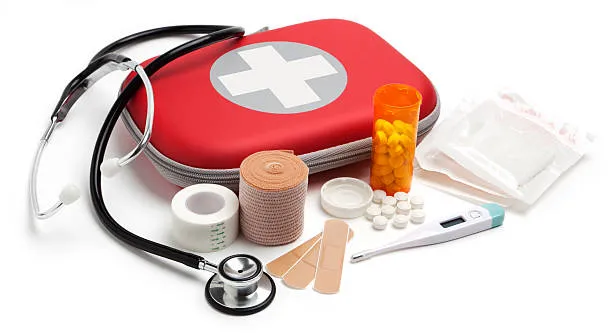
К устройствам с высокой хрупкостью относятся прецизионные инструменты, такие как диагностические системы., оптическое оборудование, и чувствительные электронные модули. Эти устройства очень уязвимы к вибрации., влияние, и даже небольшое внутреннее перемещение во время транспортировки, это означает, что они требуют жестко контролируемой внутренней фиксации и сильной амортизации для поддержания точности работы и предотвращения ошибок калибровки или структурных повреждений..
Медицинские изделия средней хрупкости
Устройства средней хрупкости обычно используются в общеклинических рабочих процессах., например, оборудование для мониторинга и портативные диагностические инструменты. Эти устройства могут выдерживать умеренную нагрузку при обращении, но при этом требуют стабильной внутренней поддержки для предотвращения износа или функционального отклонения во время повторяющихся перевозок между учреждениями или отделениями..
Медицинские устройства низкой хрупкости
Устройства с низкой хрупкостью обычно включают в себя долговечные медицинские инструменты и аксессуары, которые имеют прочную конструкцию и менее чувствительны к вибрации или незначительным ударам.. Хотя они не требуют передовых систем амортизации., они по-прежнему получают преимущества от организованного хранения и базовой защиты, обеспечивающей безопасное обращение и предотвращение повреждения поверхности во время логистических операций..
Шаг 2: Определите среду использования
Среда использования определяет, как часто будет обрабатываться дело., как далеко будет перевезено ваше медицинское оборудование, и какой баланс необходим между защитой, масса, и удобство использования.
Больница и клиническая среда
В больницах и клинических условиях, твой Медицинское оборудование обычно перемещается внутри контролируемых внутренних систем, таких как отделы, складские помещения, и процедурные кабинеты. Основное внимание обычно уделяется соблюдению гигиены., стандартизированное хранилище, и частая обработка, а не транспортировка на дальние расстояния.
Для этих сред, случай должен поддерживать стабильную организацию и повторяющуюся очистку, плавно вписываясь в существующие клинические рабочие процессы, не усложняя эксплуатацию..
Полевые и мобильные медицинские учреждения
Полевая и мобильная медицинская среда предполагает частое перемещение вашего оборудования из одного места в другое., например, места экстренной помощи, временные клиники, или дома пациентов. Это увеличивает важность портативности., эффективность обработки, и надежная защита во время непрерывной транспортировки.
В этом типе рабочего процесса, легкая конструкция и надежная амортизация становятся ключевыми требованиями для ежедневного использования.. Многие приложения для мобильного здравоохранения, естественно, предпочитают решения для переноски на основе EVA, поскольку они помогают снизить нагрузку при переноске, сохраняя при этом эффективность защиты в динамичных средах..
Среда для ухода на дому
В условиях домашнего ухода больше внимания уделяется удобству использования и безопасности для непрофессиональных пользователей.. С вашим медицинским оборудованием часто обращаются пациенты или лица, осуществляющие уход., поэтому футляр должен быть легко переносить, просто открыть, и безопасен для повседневного хранения. В то же время, базовая защита от случайных падений или ошибок при обращении по-прежнему необходима для обеспечения надежного ежедневного использования..
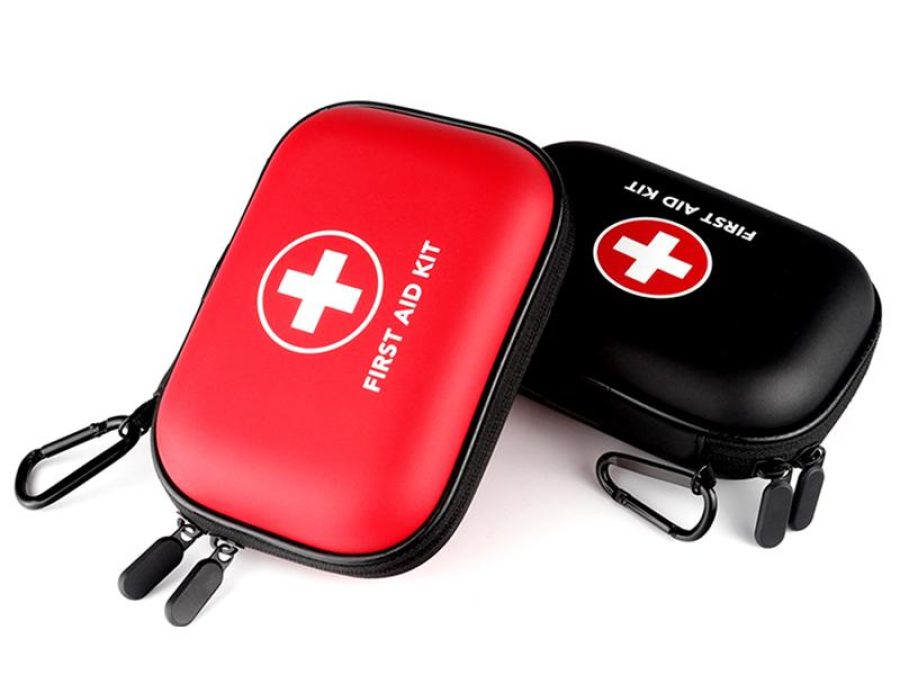
Изготовленные на заказ чехлы из этиленвинилацетата медицинского назначения для медицинского оборудования
Шаг 3: Оцените условия транспортировки
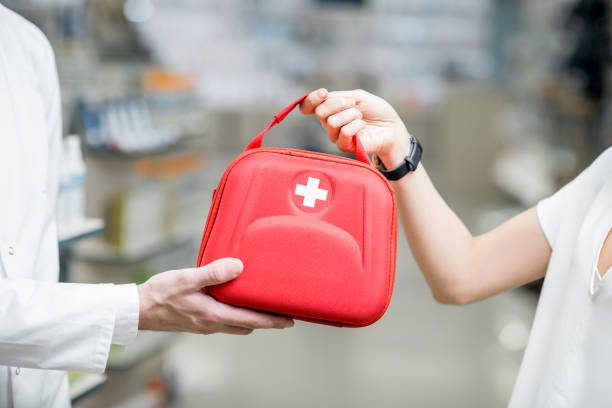
Условия транспортировки определяют, какую механическую нагрузку испытает ваше медицинское оборудование во время транспортировки.. В различных логистических средах устройства подвергаются разным уровням вибрации., влияние, изменения давления, и неоднократное обращение, все это влияет на требуемый уровень защиты переносного футляра.
Для поддержки принятия решений, В следующей таблице приведены распространенные сценарии транспортировки и соответствующие им требования к защите..
Обзор транспортных рисков и требований к случаю
| Транспортный сценарий | Уровень риска | Основные факторы стресса | Фокус требований к делу |
|---|---|---|---|
| Транспорт на короткие расстояния | Низкий | Незначительное обращение, легкая вибрация | Базовая защита и внутренняя организация |
| Доставка на большие расстояния | Середина | Повторяющаяся вибрация, давление штабелирования, циклы обработки | Структурная стабильность и внутренняя фиксация |
| Воздушный грузовой транспорт | Средний–высокий | Изменения давления, колебания температуры, многоступенчатая обработка | Контролируемая внутренняя поддержка и структурная последовательность |
| Высокочастотная многоэтапная логистика | Высокий | Повторная обработка, совокупное воздействие, смешанная среда | Легкая конструкция с постоянным поглощением ударов |
Вопросы многоэтапной логистики
По мере увеличения сложности логистики, особенно в многоступенчатых торговых сетях, медицинское оборудование подвергается многократному обращению с участием разных операторов и сред.. Это увеличивает вероятность кумулятивного ударного стресса и проблем с внутренним движением., даже когда отдельные этапы перевозки кажутся малорисковыми.
В этих сценариях, Несущие системы, сочетающие легкую конструкцию с надежной амортизацией, часто используются для поддержания стабильных характеристик защиты на протяжении всего цикла доставки..
Шаг 4: Выберите правильный тип переносной сумки в зависимости от потребностей приложения
На этом этапе, ваш выбор должен быть сосредоточен на типе переносного футляра, который лучше всего соответствует условиям эксплуатации вашего медицинского оборудования.. Различные типы чехлов предназначены для сбалансированной защиты., портативность, и внутренняя организация в различных реальных медицинских рабочих процессах.
Жесткие пластиковые кейсы для структурированной транспортировки
Жесткие пластиковые кейсы для переноски обычно используются в структурированных помещениях, таких как больницы., лаборатории, и централизованные системы медицинской логистики. Эти чехлы обеспечивают надежную внешнюю защиту и стабильную производительность при штабелировании., что делает их пригодными для контролируемых условий погрузочно-разгрузочных работ, когда оборудование перемещается в рамках предсказуемых рабочих процессов..
Они наиболее эффективны, когда ваше медицинское оборудование хранится, транспортируется, и повторно использоваться в стандартизированных клинических или институциональных системах.
Чехлы из ЭВА для мобильных медицинских применений
Чехлы для переноски из ЭВА широко используются в случаях, когда ваше медицинское оборудование необходимо часто транспортировать из одного места в другое.. Эти чехлы сочетают в себе полужесткую внешнюю структуру с внутренними амортизирующими свойствами., предлагая практический баланс между портативностью и защитой от ударов.
В реальных приложениях, Кейсы для переноски из EVA часто выбирают для мобильных медицинских услуг., полевая диагностика, и распределенные медицинские операции, при которых оборудование подвергается многократной транспортировке и обращению в различных средах..
Пенопластовые или усиленные кейсы для переноски высокочувствительного оборудования
Пенопластовые или усиленные футляры для переноски используются, когда медицинское оборудование требует строго контролируемой внутренней фиксации из-за чувствительности., неправильная форма, или компоненты, подверженные вибрации. В этих кейсах используются точно вырезанные внутренние пенопластовые конструкции, встроенные в систему переноски, чтобы свести к минимуму движение и поглотить удары во время транспортировки..
Обычно они применяются в специализированных медицинских устройствах, где стандартной внутренней компоновки недостаточно для обеспечения стабильности и защиты..
Шаг 5: Обеспечьте правильную внутреннюю посадку
Даже если выбран правильный тип сумки для переноски, плохая внутренняя конструкция посадки все равно может привести к перемещению оборудования, концентрация стресса, и отказ защиты во время транспортировки. Таким образом, внутренняя посадка является критическим фактором, который напрямую влияет на производительность медицинских систем переноски..
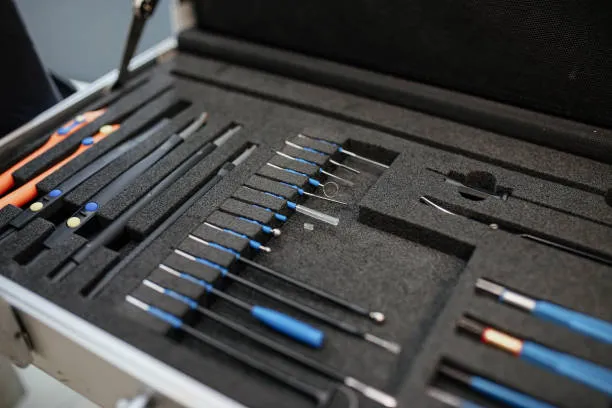
Надежная фиксация устройства внутри корпуса
Ваше медицинское оборудование должно быть полностью зафиксировано внутри футляра для переноски, чтобы предотвратить его смещение во время вибрации., влияние, или повторная обработка. Любое внутреннее движение увеличивает риск истирания поверхности., структурное напряжение, или функциональное смещение, особенно для чувствительных или прецизионных устройств.
Балансовая амортизация и структурная поддержка
Эффективная защита требует баланса между амортизирующими материалами и структурной поддержкой.. Внутренняя прокладка должна поглощать энергию удара, сохраняя при этом достаточную жесткость, чтобы удерживать устройство в стабильном положении.. Чрезмерная мягкость может позволить двигаться., в то время как слишком жесткие конструкции могут передавать ударные силы непосредственно на оборудование.
Оптимизация внутренней компоновки для соответствия реальной форме устройства
Хорошо продуманная внутренняя планировка должна соответствовать фактической геометрии вашего медицинского оборудования, а не использовать стандартные расстояния.. Специально подогнанные полости помогают равномерно распределять давление и уменьшать точки напряжения во время транспортировки.. Во многих практических конструкциях, Для достижения такого уровня точности посадки обычно используются внутренние конструкции на основе этиленвинилацетата или вставки из пеноматериала точной резки..
Заключительные мысли
В логистике медицинского оборудования, эффективность переносного футляра определяется тем, насколько он соответствует реальным условиям эксплуатации., например, расстояние транспортировки, частота обработки, и необходимый уровень внутренней стабилизации. Если эти переменные рассматривать вместе, выбор становится более простым: жесткие пластиковые корпуса подходят для структурированных сред, Чехлы из ЭВА поддерживают частое мобильное использование., и конструкции, армированные пеной, применяются там, где критическое значение имеют внутреннее позиционирование и контроль вибрации..
В Кейс Кинфиш, мы разрабатываем и производим защитные транспортные системы на основе этиленвинилацетата для медицинского и промышленного применения.. Наша работа сосредоточена на практических инженерных результатах — облегченной конструкции., контролируемое поглощение ударов, и нестандартная внутренняя планировка соответствие конкретным размерам устройства и рабочим процессам. Благодаря быстрому прототипированию и гибкости OEM, мы поддерживаем команды от ранней концепции до проверенных промышленных образцов.
👉Свяжитесь с нами сегодня разработать решение для переноски, адаптированное к вашим требованиям к медицинскому оборудованию.
Часто задаваемые вопросы
Какие факторы следует учитывать при выборе медицинского футляра для переноски??
При выборе медицинский кейс для переноски, ключевые факторы включают хрупкость устройства, расстояние транспортировки, частота обработки, и требования внутренней стабилизации. Эти элементы определяют, будет ли жесткий пластик, Ева, или корпус, усиленный пеной, больше подходит для обеспечения защиты во время реального использования..
Как выбрать между EVA и медицинскими кейсами из жесткого пластика??
Выбор зависит от того, как ваше оборудование будет использоваться на практике.. Твердые пластиковые кейсы лучше подходят для структурированных сред, таких как больничная логистика и системы хранения., в то время как кейсы из ЭВА больше подходят для мобильного применения, когда оборудование часто транспортируется и требует баланса между снижением веса и защитой от ударов..
Каков стандарт транспортной упаковки медицинского оборудования??
Транспортная упаковка медицинского оборудования обычно разрабатывается в соответствии с ISO. 11607 требования, которые направлены на поддержание целостности стерильного барьера и обеспечение защиты во время распределения. Помимо соблюдения, практические факторы производительности, такие как вибростойкость и внутренняя фиксация, также имеют решающее значение в реальных условиях логистики..
Можно ли адаптировать кейсы из ЭВА под конкретное медицинское оборудование??
Да, Чехлы для переноски из ЭВА могут быть полностью адаптированы в зависимости от размеров устройства., Требования к внутренней планировке, и сценарии использования. Кастомизация обычно включает в себя формованные интерьеры., пена вставки, и структурные изменения для обеспечения стабильного положения и надежной защиты во время транспортировки и погрузочно-разгрузочных работ..
Какой кейс лучше всего подходит для мобильного медицинского оборудования?
Для мобильного медицинского оборудования, Чехлы для переноски из ЭВА широко используются, поскольку они имеют легкую конструкцию в сочетании с амортизирующими свойствами.. Это делает их пригодными для полевой диагностики., домашние системы здравоохранения, и медицинские рабочие процессы в нескольких местах, где требуется частая транспортировка.