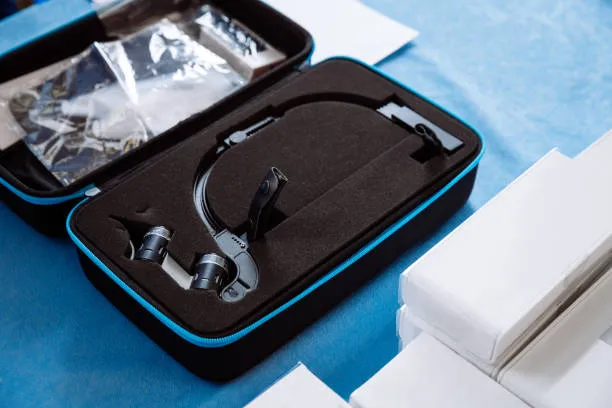
Sua equipe leva anos de R&D para calibrar um dispositivo médico portátil, mas apenas uma única gota no trânsito para arruiná-lo. Quando ferramentas de diagnóstico sensíveis falham em campo, a causa raiz raramente é o hardware. Em vez de, a falha muitas vezes decorre de embalagens de transporte inadequadas.
Como fabricante, você deve tratar sua maleta de transporte não apenas como um acessório, mas como uma extensão crítica do seu produto. Veja por que os estojos médicos EVA personalizados se tornaram o padrão da indústria para proteção de equipamentos de saúde de alto valor, e o que você precisa saber para projetar o gabinete perfeito.
Por que o EVA supera outros materiais
Ao projetar seu invólucro de proteção, a seleção do material é a base. Você pode debater rotineiramente entre alumínio, plásticos moldados por injeção, e compósitos. Embora cada um tenha seu nicho, Acetato de Etileno-Vinila (EVA) vence consistentemente nas métricas que mais importam para dispositivos portáteis aplicações médicas.
Absorção de Impacto
EVA é um polímero elastomérico com uma densidade, estrutura de células fechadas que se comprime sob impacto e recupera efetivamente sua forma original. Quando uma caixa rígida de policarbonato cai, pode sobreviver intacto, mas transfere energia cinética bruta diretamente para o frágil dispositivo interno.
Uma caixa de EVA funciona de maneira diferente, absorvendo e dispersando o choque mecânico em toda a sua superfície.. EVA de alta densidade pode absorver até 80% mais impacto de choque de uma queda padrão de 3 pés em comparação com plásticos rígidos sem revestimento.
Peso e estabilidade térmica
Um invólucro de alumínio padrão pode pesar 5 kg antes mesmo de seu dispositivo ser colocado dentro. Uma caixa EVA equivalente normalmente pesa menos 1.5 kg. Esse 70% a redução minimiza diretamente o esforço físico do pessoal médico. Além do peso, O EVA mantém a integridade estrutural durante oscilações extremas de temperatura.
Se o seu analisador de sangue portátil viajar de um ambiente externo gelado para uma sala de emergência aquecida, você precisa de um case que resista ao choque térmico e evite a condensação interna. EVA oferece ambos.
A ciência dos interiores de espuma de precisão
Sua carcaça externa premium não vale nada se o interior falhar. Seus instrumentos médicos requerem imobilização absoluta durante o transporte. O interior de espuma é o que oferece essa proteção, e sua engenharia é muito mais técnica do que muitos imaginam.
Por que a espuma Pick-and-Pluck fica aquém
Muitos casos básicos usam espuma genérica para pegar e arrancar, o que introduz uma enorme responsabilidade de engenharia para seus dispositivos médicos. Este tipo de espuma degrada-se rapidamente ao longo do tempo e liberta pequenas partículas. Essa poeira pode facilmente contaminar lentes ópticas delicadas ou entupir engrenagens mecânicas sensíveis.
Para evitar isso, maletas de transporte personalizadas profissionais utilizar denso, polietileno de célula fechada (Educação Física) ou alta densidade Espuma EVA para seus interiores. As espumas de células fechadas não se desintegram, eles resistem à absorção de umidade, e fornecem um suporte estrutural rígido que mantém seus componentes firmemente no lugar.
Corte CNC e jato de água
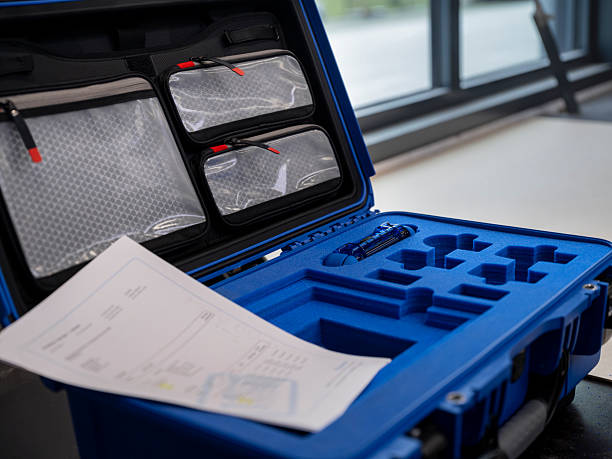
Para alcançar a imobilização total, fabricantes especializados utilizam tecnologias de corte avançadas. Controle Numérico Computadorizado (CNC) roteamento usa software programado para direcionar máquinas automatizadas, esculpindo espuma com precisão precisa. Juntamente com o corte por jato de água, esses métodos produzem cavidades que correspondem perfeitamente aos contornos 3D exatos do seu dispositivo, alcançando tolerâncias de fabricação dentro de ±1 mm. Um interior bem projetado usa três camadas com um propósito:
- Camada base: Espuma de alta densidade que evita que baterias ou motores pesados cheguem ao fundo em quedas fortes.
- Camada superior: Espuma ligeiramente mais macia que protege suas telas sensíveis ao toque e sensores de vidro.
- Layout do compartimento: Cabos, sondas, e acessórios isolados em slots dedicados para evitar contato e arranhões.
Higiene, Capacidade de limpeza, e Conformidade Regulatória
Seu gabinete de transporte deve fazer mais do que proteger. Também deve ser completamente limpável e estar em conformidade com os regulamentos da indústria..
Resolvendo Contaminação Cruzada
Sacos tradicionais de náilon ou lona absorvem fluidos. Sangue, salina, ou derramamentos de produtos químicos infiltram-se no tecido, criando um reservatório de patógenos. Estojos EVA com poliuretano termoformado (PU) os exteriores de couro ou náilon tratado resistem totalmente à penetração de fluidos. A equipe do hospital pode limpar a superfície do seu caso com 70% soluções de álcool isopropílico ou alvejante sem rachar o material, desvanecimento, ou deformando.
Requisitos de conformidade
As matérias-primas contidas no seu estojo médico nunca devem introduzir contaminação em um ambiente clínico. Responsável Fabricantes de estojos EVA garantir suas espumas, adesivos, e tecidos estão em conformidade com as diretivas RoHS e REACH. Isto garante a ausência de metais pesados tóxicos, ftalatos prejudiciais, e liberação perigosa de gases. Verifique essas certificações diretamente com seu fornecedor, pois eles são essenciais para suportar seu próprio ISO 13485 sistema de gestão da qualidade.
Design prático para profissionais de saúde
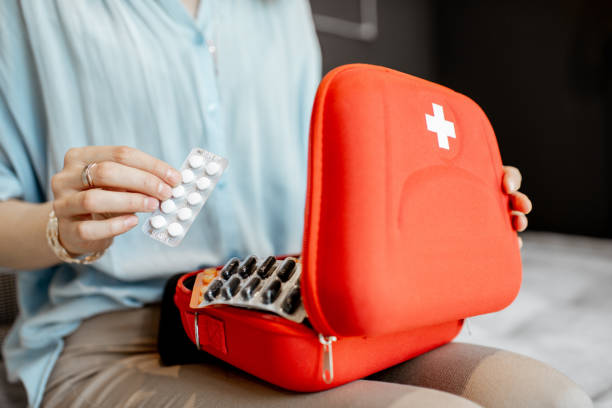
Seu equipamento médico só é útil se chegar ao paciente de forma eficiente. Seu usuário final pode ser uma enfermeira domiciliar, um paramédico subindo quatro lances de escada, ou um representante de vendas de campo. Todos eles precisam de um caso que funcione a seu favor e não contra eles.
Reduzindo a fadiga física
Porque o EVA é inerentemente leve, você pode investir esse orçamento de peso economizado em hardware ergonômico. Os principais recursos a serem procurados incluem:
- TPR (Borracha Termoplástica) alças: Punhos moldados que reduzem o esforço das mãos e evitam escorregões, mesmo com luvas de nitrilo.
- Alças de ombro em malha aérea: Respirável, almofadas de absorção de choque com costura reforçada e mosquetões de liga leve classificados para cargas internas pesadas.
Recursos inteligentes para uso diário
O design inteligente do caso antecipa os cenários clínicos reais do seu usuário. Você pode adicionar um bolso externo transparente para um gráfico de dosagem de referência rápida? Os zíperes duplos resistentes permitem que a caixa abra totalmente dentro de uma ambulância apertada? Os pés de borracha moldados mantêm a base elevada acima dos pisos úmidos do hospital?? Esses detalhes não são cosméticos, pois melhoram diretamente os tempos de resposta e a eficiência diária dos profissionais de saúde.
Design personalizado como ativo da marca
Se o seu prêmio, dispositivo de diagnóstico de alto valor chega em um frágil, caixa sem marca, sinaliza descuido antes mesmo de o dispositivo ser ligado. Embalagem EVA personalizada estabelece credibilidade profissional e constrói a confiança do usuário antes do primeiro uso.
Quando um cirurgião abre sua caixa e vê cada componente preso em um slot personalizado, sinaliza um compromisso estrito com a disciplina de engenharia. Fornecedores de primeira linha oferecem opções de marca que vão muito além de um logotipo impresso:
- Psicologia das cores: Combine o tecido exterior com as cores corporativas exatas da Pantone. Laranja de alta visibilidade sinaliza uso de emergência, enquanto o branco clínico ou o azul marinho projetam precisão diagnóstica.
- Marca tátil: Os puxadores de zíper moldados sob medida e os logotipos de borracha em relevo profundo comunicam qualidade por meio do design industrial.
- Contraste interior: Um revestimento interior de cores vivas cria um forte contraste visual com cabos e ferramentas escuros. Isso torna os itens perdidos imediatamente óbvios antes que o médico saia do quarto do paciente.
Como avaliar um fabricante de capa EVA personalizada

A engenharia do seu gabinete médico de proteção requer um parceiro de fabricação com capacidades verificadas. Aqui está uma estrutura de avaliação sistemática para ajudá-lo a escolher a fábrica certa:
Etapa 1: Avalie a profundidade da engenharia interna
Procure uma equipe dedicada de design industrial, 3Capacidade de prototipagem D CAD, e máquinas de corte CNC ou jato de água. As fábricas que dependem exclusivamente do corte e vinco não possuem as tolerâncias que suas aplicações médicas exigem.
Etapa 2: Exija experiência específica em saúde
A experiência em produtos eletrônicos de consumo não se traduz em conhecimento médico. Solicite amostras físicas de projetos de saúde anteriores e inspecione-as em busca de espuma de células fechadas, grau médico, exteriores limpáveis, e hardware resistente.
Etapa 3: Verifique os processos de controle de qualidade
Um fornecedor legítimo realiza testes internos rigorosos, incluindo ciclos de temperatura, testes de tensão de zíper, e descartar avaliações de impacto. Peça especificamente taxas de entrega dentro do prazo, como uma taxa acima 95% sinaliza um estável, cadeia de suprimentos confiável para suas linhas de produção.
Etapa 4: Confirme a documentação de conformidade do material
Exigir prova escrita de conformidade com RoHS e REACH para todas as espumas, adesivos, e tecidos. Também, verificar ISO 9001 certificação, o que demonstra um compromisso estruturado com sistemas de gestão da qualidade.
A seleção de um caso médico EVA personalizado reflete diretamente a credibilidade de engenharia da sua marca. Para proteger seus dispositivos e sua reputação, a parceria com um fabricante especializado é inestimável. No Caso KinFish, projetamos gabinetes médicos com certificação ISO 9001 usando materiais totalmente compatíveis com os padrões REACH e RoHS. Nossos estojos médicos EVA oferecem interiores de espuma precisos e designs ergonômicos que o setor de saúde exige.
Pronto para elevar suas embalagens médicas a um padrão profissional? Contate nossa equipe de engenharia hoje para projetar suas soluções personalizadas.