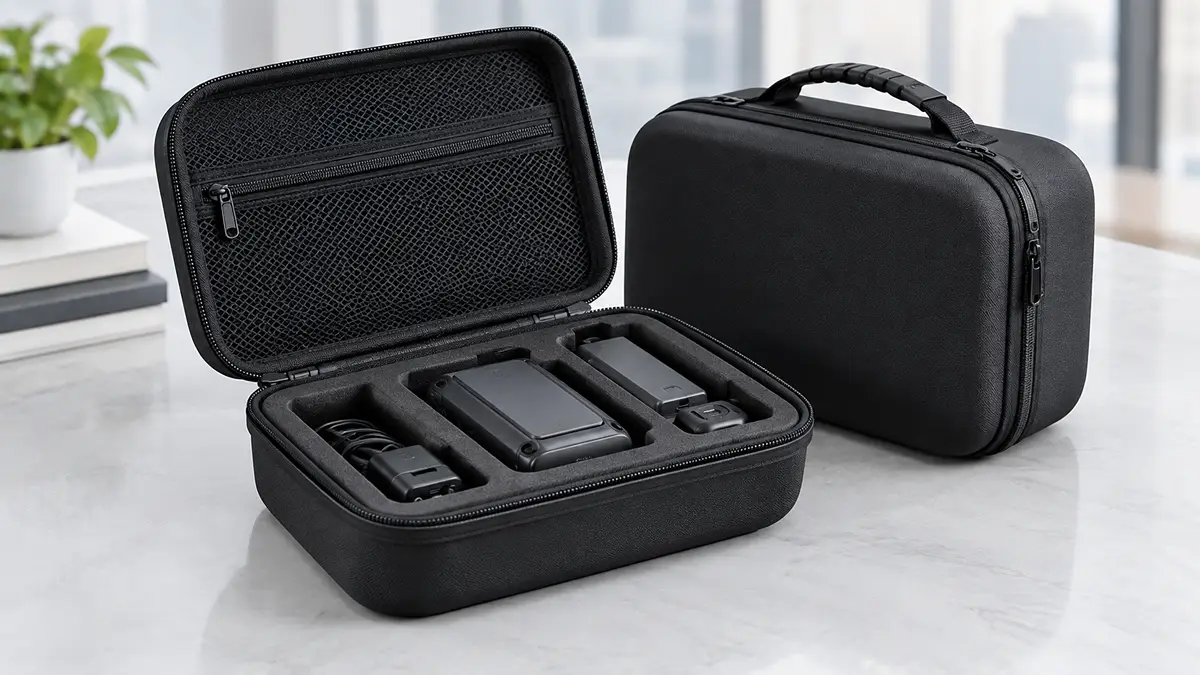
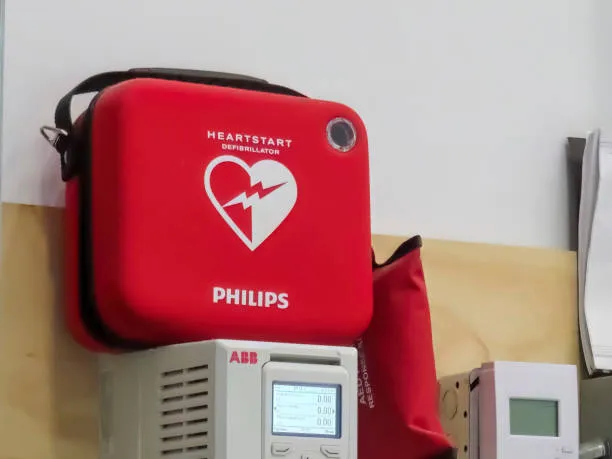
غالبًا ما تكون الأجهزة الطبية باهظة الثمن وحساسة, لذا فإن حماية النقل أمر بالغ الأهمية. عند مقارنة حالات EVA والبلاستيك الصلب, أنت تختار كيف سيتم حماية المعدات الخاصة بك, تم شحنها, واستخدامها في العمليات الحقيقية. تشرح هذه المقالة الاختلافات الرئيسية وتساعدك على اتخاذ قرار أكثر وضوحًا بشأن التغليف لتطبيقك الطبي المحدد.
نظرة عامة على الحالات الطبية من البلاستيك الصلب مقابل إيفا
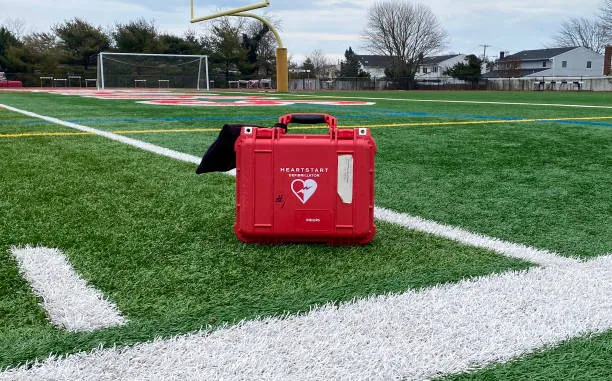
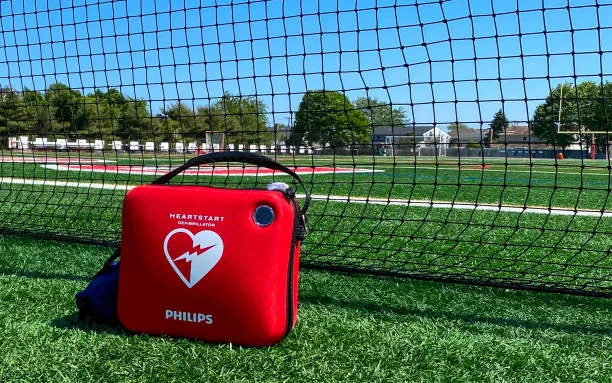
حالات المعدات الطبية تستخدم على نطاق واسع لحماية أجهزة الرعاية الصحية الحساسة أثناء النقل, تخزين, والنشر التشغيلي. المادتان الأكثر شيوعًا هما البلاستيك الصلب (القيمة المطلقة, ص, البولي) ورغوة EVA - تتبع أساليب هندسية مختلفة للحماية.
تعتمد العلب البلاستيكية الصلبة على القوة الهيكلية الصلبة ومقاومة التأثير الخارجي. تعتمد حافظات EVA على امتصاص الصدمات المرن وبنية خفيفة الوزن. عندما تقوم باختيار حالة لأجهزتك الطبية, عادةً ما يكون القرار مدفوعًا بكيفية استخدام معداتك, نقل, وتعبئتها في سير عمل الإنتاج الخاص بك.
مقارنة شاملة
| الجانب الرئيسي | الحالات الطبية البلاستيكية الصلبة | إيفا الحالات الطبية |
|---|---|---|
| بناء & حماية | قذيفة صلبة (ABS/PP/PC) مع إدراج رغوة للتثبيت. الأفضل للخدمات اللوجستية الخاضعة للرقابة والنقل لمسافات طويلة. | هيكل إسفنجي مرن يمتص الصدمات ويقلل الاهتزاز أثناء التعامل والحركة المتكررة. |
| وزن & قابلية النقل | هيكل أثقل, مناسبة لتخزين المستودعات والخدمات اللوجستية المركزية. | تصميم خفيف الوزن, أفضل للمجموعات الطبية المتنقلة والنشر الميداني. |
| التخصيص & إنتاج | يتطلب قوالب فولاذية, ارتفاع تكلفة الأدوات, مهلة أطول, الإنتاج الضخم المستقر. | النماذج الأولية السريعة, انخفاض تبعية الأدوات, مرنة لتطور تصاميم المنتجات. |
| المقاومة البيئية | مقاومة قوية للمواد الكيميائية, رُطُوبَة, وتغير درجات الحرارة في البيئات اللوجستية. | مقاومة جيدة مع الطلاء, مناسبة لاستخدام الرعاية الصحية السريرية والمتنقلة القياسية. |
تساعدك هذه النظرة العامة على فهم المقايضات بسرعة. إذا كانت أولويتك هي الاستقرار الهيكلي والخدمات اللوجستية الموحدة, غالبًا ما يكون البلاستيك الصلب أكثر ملاءمة. إذا كنت بحاجة إلى المرونة, التنقل, وأسرع التخصيص, إيفا عادة ما يكون أفضل.
الحماية من الصدمات ومقاومة الصدمات في ظروف النقل الحقيقية
سلوك السقوط أثناء الشحن والمناولة
في الخدمات اللوجستية للأجهزة الطبية, من المحتمل أن تواجه أجهزتك قطرات عرضية أثناء التعبئة, تحميل, أو النقل الميداني. تعتمد العلب البلاستيكية الصلبة على صلابة الغلاف والرغوة الداخلية لامتصاص الصدمات, والذي يعمل بشكل جيد عندما يتم التحكم في عملية الشحن الخاصة بك وتوحيدها. الحالات الطبية إيفا امتصاص الصدمات من خلال تشوه المواد, مما يساعد على تقليل الضغط على المكونات الحساسة عند التعامل مع المعدات بشكل متكرر أو تحريكها عبر مسافات قصيرة.
التعرض للاهتزاز في الاستخدام التشغيلي اليومي
نادرًا ما يتم نقل أجهزتك الطبية مرة واحدة فقط. في العديد من سير العمل, سوف تقوم بنقلهم بين الأقسام, غرف الاختبار, أو مواقع خدمة الهاتف المحمول. قد تمرر العلب البلاستيكية الصلبة الاهتزاز إلى المكونات الداخلية إذا لم يتم تركيب هيكل الرغوة بدقة. تعمل أسيتات إيثيلين-فاينيل (EVA) على تقليل هذا الاهتزاز بشكل طبيعي بفضل هيكلها المرن, مما يجعلها أكثر استقرارًا عندما تحتاج إلى نقل مجموعات التشخيص أو الأنظمة المحمولة عدة مرات في اليوم.
استقرار المعدات الداخلية
تعتمد العلب البلاستيكية الصلبة على إدخالات إسفنجية مقطوعة خصيصًا للحفاظ على الأجهزة ثابتة في موضعها. إذا كان التصميم الداخلي غير دقيق, يمكن أن تحدث حركات صغيرة أثناء النقل. توفر حافظات EVA ملاءمة أكثر راحة بشكل طبيعي بسبب مرونة المواد, مما يساعد على تثبيت الأدوات غير المنتظمة الشكل أو المجموعات متعددة المكونات دون الحاجة إلى هندسة داخلية معقدة.
حماية متميزة لأجهزتك الطبية
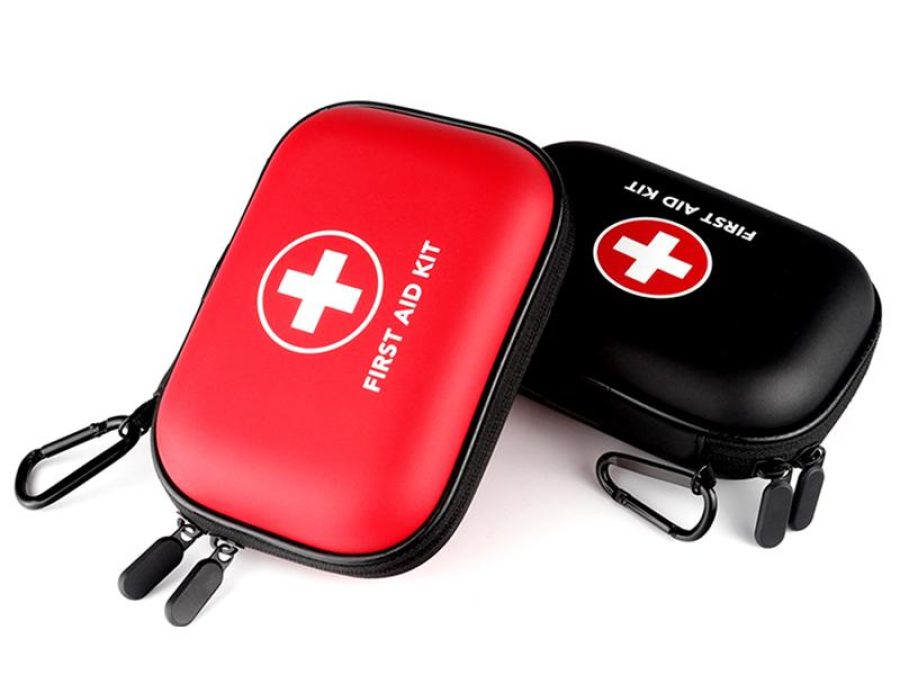
وزن, قابلية النقل, وسهولة الاستخدام الميداني
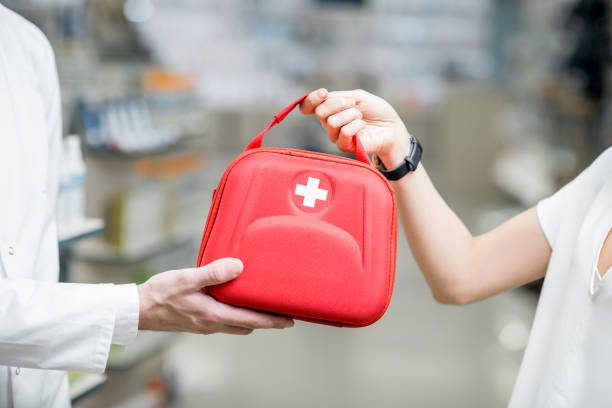
اختلافات الوزن في التصنيع الحقيقي والاستخدام الميداني
في إنتاج الأجهزة الطبية ونشرها, سيتم التعامل مع المعدات الخاصة بك في كثير من الأحيان, معبأة, ونقلها عدة مرات. تضيف العلب البلاستيكية الصلبة وزنًا هيكليًا بسبب الأصداف الصلبة ومتطلبات التعزيز, وخاصة في صيغ أكبر. تعمل حافظات EVA على تقليل وزن العبوة الإجمالي بشكل كبير, والذي يصبح مهمًا عندما يتم نقل الأجهزة بشكل متكرر أثناء الاختبار, التجارب السريرية, أو النشر المحمول.
التنقل في الرعاية الصحية الحقيقية وسير عمل توزيع OEM
إذا تم استخدام أجهزتك في التشخيص المحمول أو توزيعها عبر مستشفيات متعددة, سوف تحتاج إلى التنقل الفعال في سير العمل اليومي. تعد العلب البلاستيكية الصلبة أكثر ملاءمة للشحن المركزي والتخزين طويل المدى حيث تكون الحركة محدودة. تعمل حالات EVA بشكل أفضل عندما يحتاج الفنيون أو المستخدمون إلى حمل المعدات بشكل متكرر والوصول إليها بسرعة أثناء التشغيل.
التعامل المريح في ظروف التشغيل اليومية
عندما يتم استخدام المعدات الخاصة بك بشكل متكرر طوال اليوم, تصبح راحة الحمل جزءًا من تجربة المستخدم. توفر الحافظات البلاستيكية الصلبة حماية قوية ولكنها قد تشعر بالصلابة أثناء فترات المناولة الطويلة. توفر حافظات EVA بنية أكثر نعومة ونقاط قبضة أكثر مرونة, تقليل الضغط عندما تحمل أنت أو المستخدمون لديك مجموعات تشخيصية أو أجهزة محمولة عبر نوبات تشغيلية طويلة.
يكلف, إنتاج, واعتبارات المشتريات لمشاريع تصنيع المعدات الأصلية
استراتيجية الأدوات ودورة التطوير
إذا كنت تقوم بتطوير المعدات الطبية, يصبح التغليف جزءًا من دورة تطوير منتجك. تتطلب الحالات البلاستيكية الصلبة استثمارًا في قوالب الصلب, مما يزيد من التكلفة الأولية ويمتد الجداول الزمنية للتطوير. تسمح لك حافظات EVA بتعديل التصميم بسرعة أكبر دون استخدام أدوات ثقيلة, وهو أمر مفيد عندما يتغير خط الإنتاج الخاص بك أو عندما تعمل مع تكوينات أجهزة متعددة.
تكلفة الوحدة مقابل كفاءة المشروع على المدى الطويل
عادةً ما تكون العلب البلاستيكية أكثر فعالية من حيث التكلفة عند توسيع نطاق الإسطبل, خط إنتاج موحد. قد تكلف حالات EVA أكثر قليلاً لكل وحدة اعتمادًا على التخصيص, ولكنها تساعد في تقليل تكاليف إعادة التصميم وتقصير دورات التكرار. إذا تطور منتجك بمرور الوقت أو كنت تدير إصدارات متعددة, غالبًا ما تمنحك EVA مرونة أفضل على المدى الطويل.
تكلفة التخصيص والمدة الزمنية
تسمح لك حافظات EVA بتعديل التخطيطات والمقصورات الداخلية دون إجراء تغييرات هيكلية كبيرة. وهذا يقلل من احتكاك التطوير ويساعدك على الاستجابة بشكل أسرع عند تحديث تصميم جهازك الطبي. الحالات البلاستيكية, بينما تتسم بالكفاءة على نطاق واسع, تتطلب قوالب أو إدخالات جديدة عند الحاجة إلى التغييرات, مما يزيد من التكلفة والمدة الزمنية.
المتانة البيئية والتشغيلية في الإعدادات الطبية
التعرض لعوامل التنظيف ودورات التطهير
في بيئات الرعاية الصحية الحقيقية, سيتم تنظيف وتطهير صناديق المعدات الخاصة بك بانتظام. تتعامل المواد البلاستيكية الصلبة عمومًا مع التعرض الكيميائي المتكرر بشكل أفضل بمرور الوقت. حالات إيفا أداء جيد أيضًا, لكن متانتها تعتمد أكثر على جودة طلاء السطح. في معظم بيئات الرعاية الصحية السريرية والمتنقلة القياسية, كلا الخيارين موثوقان.
ظروف التخزين وحساسية درجة الحرارة
إذا تم تخزين معداتك في المستودعات أو نقلها عبر مناطق مختلفة, يصبح تباين درجات الحرارة عاملا هاما. يحافظ البلاستيك الصلب على الاستقرار الهيكلي في ظل درجات الحرارة العالية أو الظروف الباردة. قد تنعم مادة EVA عند التعرض للحرارة لفترة طويلة, ولكن في البيئات السريرية العادية, من غير المحتمل أن تواجه مشكلات في الأداء في الاستخدام اليومي.
كيفية اختيار مادة الحالة الطبية المناسبة
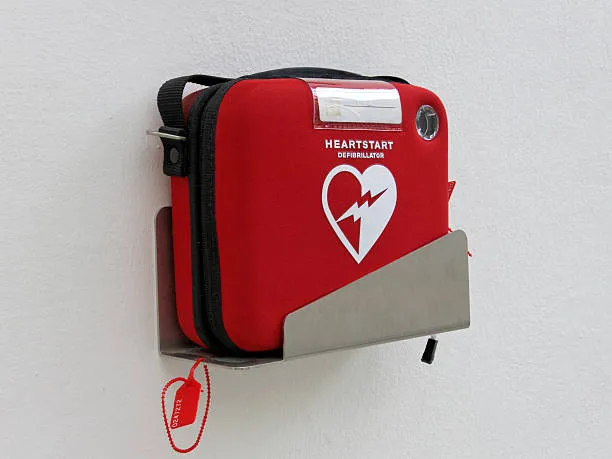
أفضل التطبيقات للحالات البلاستيكية الصلبة
عند اختيار الحالات البلاستيكية الصلبة للمعدات الطبية, عادةً ما تعطي الأولوية للحماية الهيكلية والأداء اللوجستي الخاضع للرقابة. تعد هذه الحالات أكثر ملاءمة لسير العمل القياسي حيث يتم شحن أجهزتك بتكوينات ثابتة ولا تتطلب تغييرات متكررة في التخطيط. في معظم الحالات, إنها تعمل بشكل جيد عندما يكون تركيزك على استقرار النقل لمسافات طويلة وكفاءة التخزين بدلاً من المناولة المتكررة.
التطبيقات الرئيسية:
الشحن لمسافات طويلة: تعتبر الحافظات البلاستيكية الصلبة مناسبة عندما تحتاج أجهزتك الطبية إلى النقل عبر المناطق أو الطرق اللوجستية الدولية مع الحد الأدنى من مخاطر التعامل.
التكوين الثابت: يعمل البلاستيك الصلب بشكل جيد عندما يظل تصميم المعدات لديك ثابتًا ولا يتطلب إعادة تصميم داخلي متكرر.
تخزين المستودعات: يوفر البلاستيك الصلب قوة تكديس أفضل واستقرارًا هيكليًا في المستودعات أو بيئات التخزين المركزية.
أفضل التطبيقات لحالات إيفا
عند تحديد حالات EVA, أنت عادةً ما تقوم بتحسين التنقل, المرونة, وكفاءة التعامل مع العالم الحقيقي. تُستخدم هذه المادة غالبًا عندما تحتاج إلى حمل أجهزتك الطبية بشكل متكرر, الوصول إليها بسرعة, أو تكوينها في تخطيطات مجموعة مختلفة. إنه مفيد بشكل خاص في سير عمل الرعاية الصحية الميداني أو متعدد المواقع.
التطبيقات الرئيسية:
النشر المحمول: تُعد حالات EVA مناسبة عند استخدام أجهزتك في التشخيص المحمول, الخدمة الميدانية, أو العمليات الطبية في الموقع.
التعامل المتكرر: يعمل EVA بشكل جيد عند فتح أجهزتك, نفذت, وإعادة وضعه عدة مرات أثناء سير العمل اليومي.
تخطيطات مخصصة: تسمح مادة EVA بتصميم داخلي مرن, مما يسهل عليك تنظيم مجموعات الأجهزة المتعددة أو الأدوات غير المنتظمة الشكل.
دليل القرار لمصنعي الأجهزة الطبية
عند تقييم كلتا المادتين, العامل الرئيسي ليس أيهما أفضل بشكل عام, ولكن كيف يتم استخدام معداتك فعليًا في ظروف التشغيل الحقيقية. يدعم البلاستيك الصلب الخدمات اللوجستية المنظمة وكفاءة التخزين على المدى الطويل. إيفا يدعم التنقل, سهولة الاستخدام, ودورات تخصيص أسرع. في العديد من مشاريع تصنيع المعدات الأصلية, ستجد كلا المادتين مستخدمتين عبر خطوط إنتاج مختلفة اعتمادًا على وظيفة الجهاز ومتطلبات النشر.
الأسئلة الشائعة
هل مادة EVA أفضل من البلاستيك الصلب في المعدات الطبية؟?
ذلك يعتمد على طلبك. إيفا أفضل للتنقل والتعامل المتكرر, بينما يعمل البلاستيك الصلب بشكل أفضل في الحماية الهيكلية والنقل لمسافات طويلة.
هل الحالات الطبية EVA مقاومة للماء والغبار?
نعم. مع طلاء مناسب وتصميم الختم, يمكن أن تحقق حافظات EVA مقاومة قوية للماء والغبار ومناسبة لمعظم بيئات الرعاية الصحية.
أي مادة تدوم لفترة أطول في البيئات الطبية?
عادة ما يستمر البلاستيك الصلب لفترة أطول في ظل الظروف القاسية, في حين أن أداء EVA جيد جدًا في سيناريوهات الاستخدام التشغيلي والمتنقل اليومي.
هل يمكن تخصيص حالات EVA بالكامل للأجهزة الطبية?
نعم. تسمح EVA بتصميم داخلي مرن وتخصيص سريع, وهو أمر مفيد بشكل خاص عند تطوير مجموعات الأجهزة الطبية OEM أو الأنظمة متعددة المكونات.
ما هو الفرق بين حالات EVA والحالات الطبية المصبوبة بالحقن?
العلب المقولبة بالحقن هي منتجات بلاستيكية صلبة مصنوعة من قوالب فولاذية للإنتاج على نطاق واسع. تسمح حافظات EVA بإعداد نماذج أولية أسرع, انخفاض تكلفة الأدوات, وتصميم هيكل داخلي أكثر مرونة, وهو الأفضل لمنتجات الأجهزة الطبية المتطورة.
الأفكار النهائية
تخدم الحالات الطبية المصنوعة من مادة EVA والبلاستيك الصلب أدوارًا مختلفة في حماية المعدات الطبية أثناء النقل والاستخدام اليومي. غالبًا ما يستخدم البلاستيك الصلب في الخدمات اللوجستية المنظمة والشحن لمسافات طويلة, في حين أن EVA أكثر ملاءمة لسير العمل المحمول, التعامل المتكرر, والتخطيطات الداخلية المخصصة. يساعدك فهم هذه الاختلافات على اتخاذ قرار أكثر عملية استنادًا إلى كيفية استخدام معداتك فعليًا في البيئات الحقيقية.
لمصنعي الأجهزة الطبية الذين يحتاجون إلى المرونة, حماية مخصصة, قضية كينفيش يركز على حلول حالة EVA المصممة لمعدات الرعاية الصحية. نحن ندعم المشاريع التي تتطلب بنية خفيفة الوزن, امتصاص الصدمات, وتصميم داخلي مخصص. إذا كنت تقوم بتطوير جهاز جديد أو تحسين نظام التعبئة والتغليف الخاص بك, اتصل بنا اليوم لمناقشة حل حالة EVA مخصص لتطبيقك.