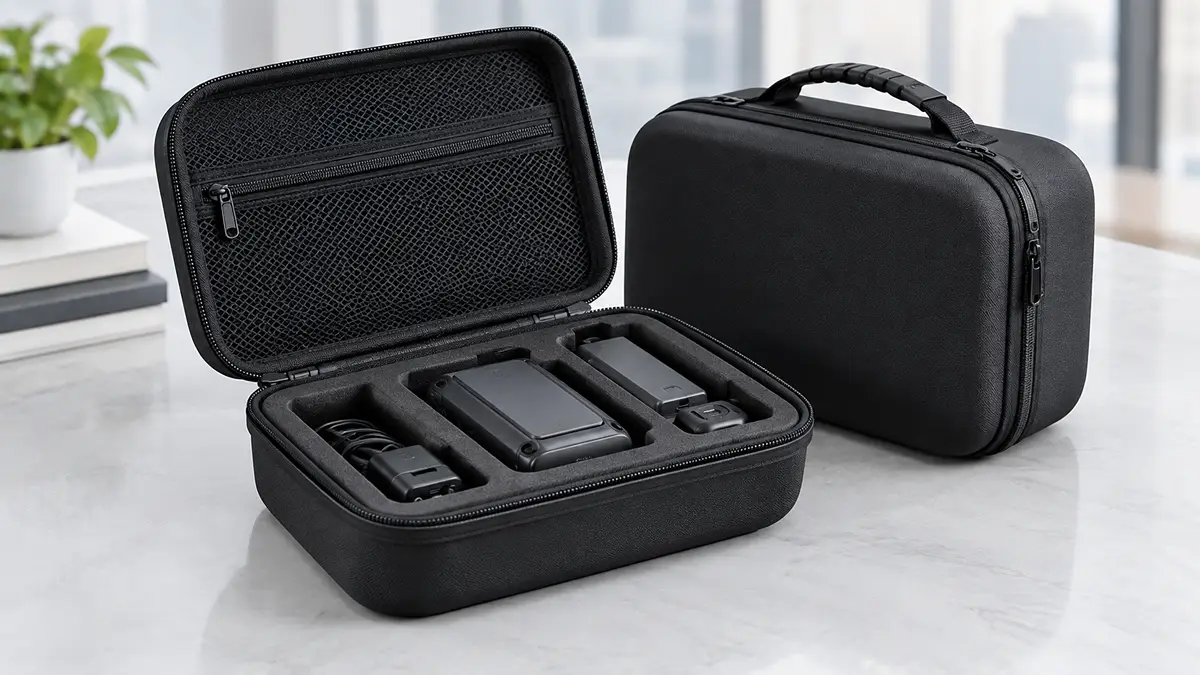
चिकित्सा उपकरण अक्सर क्लीनिकों के बीच घूमते रहते हैं, अस्पताल, एलएबी, और फ़ील्ड स्थान. परिवहन और दैनिक हैंडलिंग के दौरान, आपके उपकरणों को कंपन का सामना करना पड़ सकता है, प्रभाव, और बार-बार आंदोलन. यहां तक कि छोटे आंतरिक बदलाव भी समय के साथ संवेदनशील घटकों को प्रभावित कर सकते हैं. सही कैरी केस आपको उपकरण को स्थिर रखने में मदद करता है, संगठित, और पूरे कार्यप्रवाह के दौरान बेहतर ढंग से संरक्षित है।
इस गाइड में, हम चिकित्सा उपकरणों के लिए उपयोग किए जाने वाले मुख्य कैरीइंग केस विकल्पों की तुलना करते हैं और बताते हैं कि विभिन्न अनुप्रयोगों के लिए सही समाधान कैसे चुनें.
5 चिकित्सा उपकरणों के लिए कैरी केस के प्रकार
एक नज़र में तुलना
| मामले का प्रकार | के लिए सर्वोत्तम | मुख्य शक्ति | मुख्य सीमा |
|---|---|---|---|
| कठोर प्लास्टिक | रसद & अस्पताल का भंडारण | क्रश प्रतिरोध, stackable | स्थानान्तरण ऊर्जा को प्रभावित करता है |
| ईवा | पोर्टेबल चिकित्सा परिवहन | हल्का शॉक अवशोषण | कम चरम संपीड़न प्रतिरोध |
| फ़ोम-इंजीनियर्ड | परिशुद्धता उपकरण | अधिकतम आंतरिक स्थिरीकरण | पुनर्विन्यास के लिए अनम्य |
| नरम-तरफा बैग | गैर-नाजुक उपभोग्य वस्तुएं | लाइटवेट, कम लागत | कोई संरचनात्मक सुरक्षा नहीं |
| अल्युमीनियम / धातु | उच्च मूल्य वाले विशेषज्ञ उपकरण | प्रीमियम कठोरता & मुद्रण | भारी, महँगा, कोई शॉक अवशोषण नहीं |
कठोर प्लास्टिक ले जाने के मामले
संरचित रसद और थोक भंडारण के लिए कठोर प्लास्टिक के मामले बनाए जाते हैं. उनका हार्ड-शेल निर्माण उच्च क्रश प्रतिरोध और स्थिर स्टैकिंग प्रदान करता है, उन्हें अस्पताल आपूर्ति श्रृंखलाओं के लिए मानक विकल्प बनाना, गोदाम परिवहन, और नैदानिक भंडारण प्रणालियाँ.
तथापि, कठोर प्लास्टिक ऊर्जा को अवशोषित करने के बजाय सीधे सामग्री पर प्रभाव डालता है. नाजुक या सटीक-कैलिब्रेटेड उपकरणों के लिए, यह एक महत्वपूर्ण कमी हो सकती है. व्यक्तिगत दैनिक उपयोग के लिए वे अधिक भारी और कम एर्गोनोमिक होते हैं.
ईवीए ले जाने के मामले
ईवा (एथिलीन विनाइल एसीटेट) पोर्टेबल चिकित्सा उपकरण और क्षेत्र में उपयोग के लिए केस सबसे बहुमुखी विकल्प हैं. बंद-सेल फोम संरचना प्रभाव के तहत संपीड़ित होती है और अपने आकार को पुनः प्राप्त करती है, झटके की ऊर्जा को अंदर के उपकरण से दूर अवशोषित और फैलाना.
ईवीए केस हल्के वजन वाली हैंडलिंग को जोड़ते हैं, मजबूत आघात अवशोषण, और गहन अनुकूलन लचीलापन - सीएनसी-कट फोम इंटीरियर से लेकर कस्टम बाहरी ब्रांडिंग तक. वे स्टेथोस्कोप के लिए पसंदीदा विकल्प हैं, इंसुलिन पंप, सीपीएपी उपकरण, ग्लूकोज मीटर, और घरेलू देखभाल किट जहां दैनिक पोर्टेबिलिटी मायने रखती है. कठोर प्लास्टिक की तुलना में अत्यधिक संपीड़न के तहत ट्रेड-ऑफ़ कम कठोरता है, हालाँकि यह व्यक्तिगत रूप से ले जाए जाने वाले चिकित्सा उपकरणों के लिए शायद ही कोई चिंता का विषय है.
फोम-इंजीनियर्ड कैरीइंग सिस्टम
फोम-इंजीनियर्ड सिस्टम अधिकतम आंतरिक स्थिरीकरण और फिट परिशुद्धता को प्राथमिकता देते हैं. प्रत्येक डिब्बे को एक विशिष्ट घटक को एक निश्चित स्थिति में रखने के लिए सटीक रूप से काटा जाता है, परिवहन के दौरान गति या कंपन के प्रति शून्य सहनशीलता छोड़ना.
ये सिस्टम एंडोस्कोप जैसे उच्च-संवेदनशीलता उपकरणों के लिए आदर्श हैं, पोर्टेबल अल्ट्रासाउंड जांच, और अंशांकन-संवेदनशील माप उपकरण जहां मामूली आंतरिक विस्थापन भी सटीकता से समझौता कर सकता है. पुनर्विन्यास के लिए सीमा लचीलेपन को कम कर देती है - एक बार जब फोम को एक विशिष्ट लेआउट के लिए काट दिया जाता है, किसी भिन्न डिवाइस के लिए इसे अनुकूलित करने के लिए पूरी तरह से नए इंसर्ट की आवश्यकता होती है.
नरम-पक्षीय मेडिकल बैग
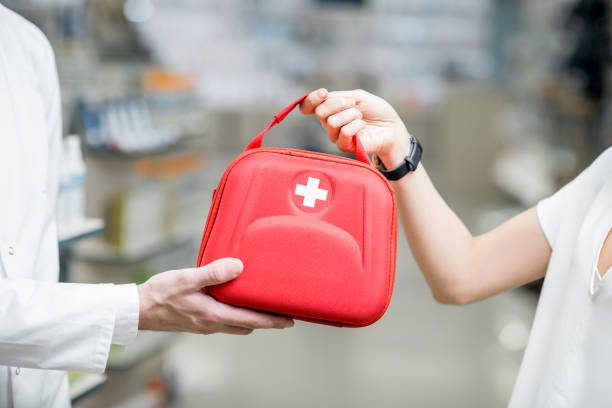
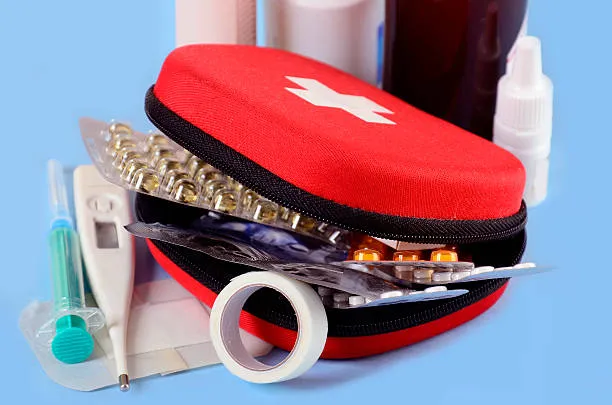
नायलॉन से बने नरम-तरफा बैग, पॉलिएस्टर, या कैनवास हल्के होते हैं, लचीला, और सस्ता. वे पट्टियों जैसी गैर-नाज़ुक चिकित्सा आपूर्ति के लिए अच्छा काम करते हैं, धुंध, नमूना संग्रह किट, और बुनियादी प्राथमिक चिकित्सा सामग्री.
उनकी प्राथमिक कमजोरी कठोर संरचनात्मक सुरक्षा की कमी है. बिना किसी कठोर खोल के, नरम बैग नाजुक इलेक्ट्रॉनिक्स या सटीक उपकरणों को कुचलने वाली ताकतों से नहीं बचा सकते हैं, चला जाता है, या प्रभाव. वे उपभोग्य सामग्रियों और कम मूल्य वाली आपूर्ति के लिए सर्वोत्तम रूप से आरक्षित हैं जहां भौतिक सुरक्षा महत्वपूर्ण नहीं है.
एल्यूमिनियम और धातु अटैच मामले
एल्युमीनियम केस प्रीमियम प्रदान करते हैं, उत्कृष्ट कठोरता और पर्यावरणीय सीलिंग के साथ उच्च-स्तरीय उपस्थिति. इनका उपयोग आमतौर पर उच्च-मूल्य वाले सर्जिकल उपकरणों के लिए किया जाता है, विशेषज्ञ निदान उपकरण, और प्रेजेंटेशन-ग्रेड मेडिकल किट जहां सुरक्षा और पेशेवर छवि दोनों महत्वपूर्ण हैं.
मुख्य कमियां वजन और लागत हैं. ईवीए विकल्पों की तुलना में एल्यूमीनियम के मामले काफी भारी होते हैं - अक्सर तुलनीय आंतरिक मात्रा के लिए वजन 3-5× होता है. उनमें ईवीए फोम के शॉक-अवशोषक गुणों का भी अभाव है, इसका मतलब है कि प्रभाव ऊर्जा को कठोर आवरण के माध्यम से स्थानांतरित किया जाता है जब तक कि आंतरिक पैडिंग के साथ पूरक न हो.
आपके चिकित्सा उपकरणों के लिए प्रीमियम सुरक्षा
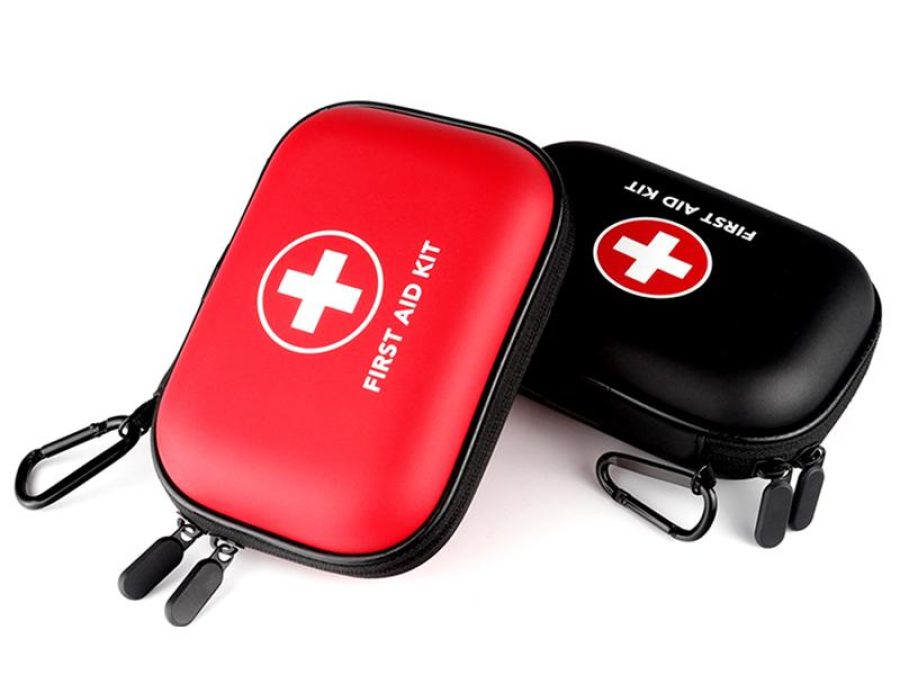
चिकित्सा मामलों का चयन करते समय ध्यान देने योग्य मुख्य विशेषताएं
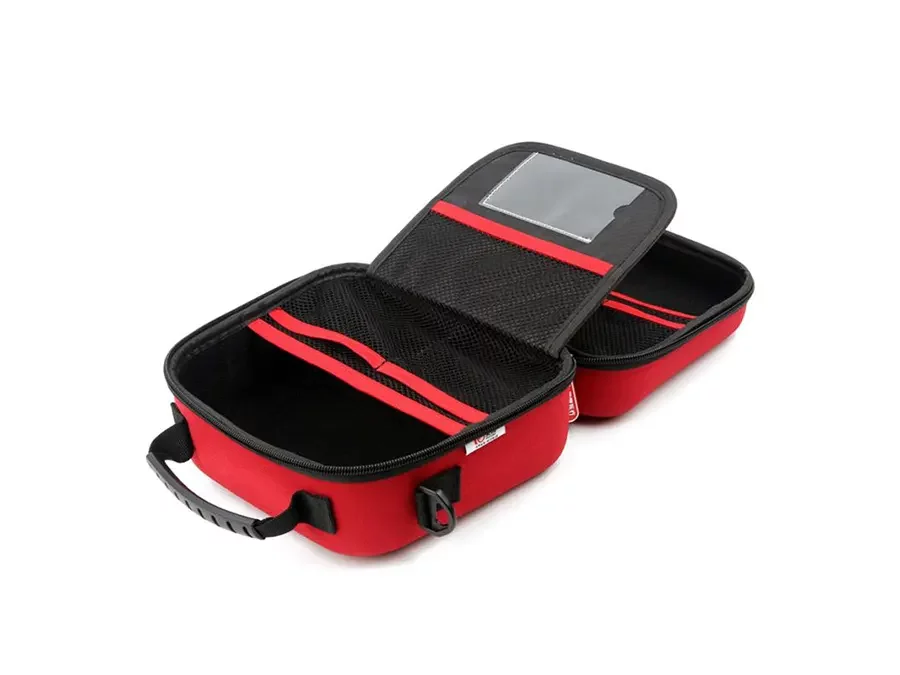
प्रभाव और कंपन से सुरक्षा
चिकित्सा उपकरण अक्सर बूंदों के संपर्क में आते हैं, कंपन, और परिवहन के दौरान बार-बार संभालना. आपके केस को सेंसर जैसे संवेदनशील आंतरिक घटकों तक पहुंचने से पहले बाहरी बल को कम करना चाहिए, स्क्रीन, और अंशांकन प्रणाली. यह विशेष रूप से महत्वपूर्ण है जब उपकरण अस्पतालों के बीच चलते हैं, क्लिनिक, और क्षेत्र का वातावरण.
जांचने योग्य मुख्य बिंदु:
- आघात अवशोषण: गिरने और अचानक निपटने की घटनाओं के दौरान प्रभाव बल को कम करता है.
- संरचनात्मक ताकत: स्टैकिंग और संपीड़न दबाव के तहत केस की अखंडता बनाए रखता है.
- कंपन नियंत्रण: सड़क और हवाई परिवहन के दौरान निरंतर आवाजाही क्षति को सीमित करता है.
- सामग्री स्थायित्व: बार-बार लॉजिस्टिक चक्रों के तहत दीर्घकालिक उपयोग का समर्थन करता है.
स्थिर आंतरिक फ़िट और संगठन
कैरी केस तभी अच्छा प्रदर्शन करता है जब आपका उपकरण अंदर पूरी तरह से स्थिर रहता है. यहां तक कि मामूली हलचल से भी कनेक्टर खराब हो सकता है, अंशांकन बहाव, या समय के साथ सतह की क्षति. उचित रूप से डिज़ाइन किया गया आंतरिक लेआउट यह सुनिश्चित करता है कि प्रत्येक घटक परिवहन और दैनिक उपयोग के दौरान स्थिर रहे.
जांचने योग्य मुख्य बिंदु:
- कस्टम फिट: आंतरिक गतिविधि को खत्म करने के लिए डिवाइस के आकार से मेल खाता है.
- डिवाइस स्थिरता: उपकरण को कंपन के तहत स्थिति में बंद रखता है.
- पहुंच पृथक्करण: मुख्य उपकरण को केबल और सहायक उपकरणों से अलग करता है.
- नाजुक सुरक्षा: शील्ड्स, स्क्रीन, लेंस, और संवेदनशील घटक.
पोर्टेबिलिटी और प्रैक्टिकल हैंडलिंग
चिकित्सा ले जाने के मामले इन्हें अक्सर अलग-अलग उपयोगकर्ताओं द्वारा दिन में कई बार संभाला जाता है. वज़न, पकड़ डिजाइन, और प्रयोज्यता सीधे परिचालन दक्षता को प्रभावित करती है. ए अच्छा चिकित्सा मामला वास्तविक वर्कफ़्लो में ले जाने और तैनात करने में आसान रहते हुए उपकरण की सुरक्षा करनी चाहिए.
जांचने योग्य मुख्य बिंदु:
- हल्का डिज़ाइन: बार-बार परिवहन के दौरान होने वाली थकान को कम करता है.
- एर्गोनोमिक पकड़: हैंडलिंग आराम और नियंत्रण में सुधार करता है.
- त्वरित पहुँच: नैदानिक उपयोग में तेजी से खुलने और तैनाती का समर्थन करता है.
- संतुलित संरचना: रोजमर्रा की पोर्टेबिलिटी के साथ सुरक्षा का संयोजन.
ईवीए-आधारित कैरी केस का व्यापक रूप से पोर्टेबल चिकित्सा अनुप्रयोगों में उपयोग किया जाता है क्योंकि वे वजन के बीच एक व्यावहारिक संतुलन प्राप्त करते हैं, सुरक्षा, और प्रयोज्यता, विशेष रूप से मोबाइल और फ़ील्ड वातावरण में.
अपने विशिष्ट चिकित्सा उपकरण के साथ सही केस प्रकार का मिलान कैसे करें
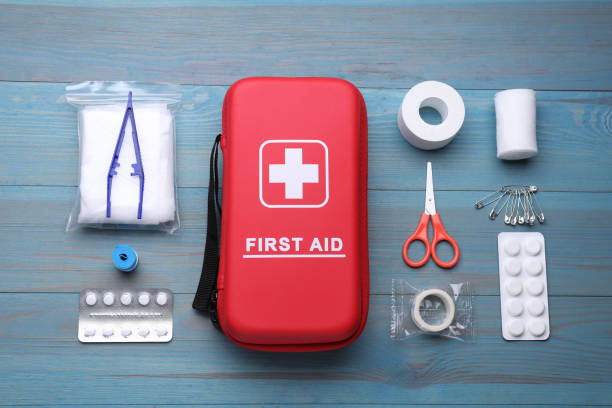
नीचे पांच प्रकार के मामलों में से प्रत्येक का सही चिकित्सा उपकरण परिदृश्य से मिलान करने में मदद करने के लिए एक व्यावहारिक मार्गदर्शिका दी गई है.
कठोर प्लास्टिक केस कब चुनें?
यदि आपका उपकरण संरचित लॉजिस्टिक्स के माध्यम से चलता है या अस्पताल के गोदाम रैक में संग्रहीत किया जाता है, कठोर प्लास्टिक के मामले आपको क्रश प्रतिरोध और स्टैकिंग स्थिरता प्रदान करते हैं जिसकी आपको आवश्यकता होती है. वे थोक उपभोज्य परिवहन - सीरिंज के लिए अच्छा काम करते हैं, दस्ताने, IV आपूर्ति - जहां व्यक्तिगत कैरी आराम प्राथमिकता नहीं है. बस याद रखें कि कठोर प्लास्टिक स्थानांतरण सीधे आपकी सामग्री पर ऊर्जा को प्रभावित करता है, इसलिए नाजुक या सटीक-कैलिब्रेटेड उपकरणों के लिए इससे बचें.
ईवीए कैरीइंग केस कब चुनें
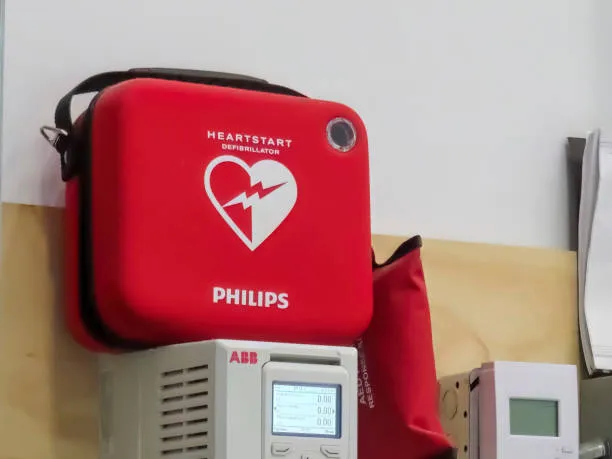
यदि आपका उपकरण प्रतिदिन स्वास्थ्य देखभाल पेशेवर द्वारा ले जाया जाता है, क्षेत्र में उपयोग किया जाता है, या घरेलू देखभाल के लिए रोगियों को भेजा जाता है, ईवीए लगभग निश्चित रूप से आपका सबसे अच्छा शुरुआती बिंदु है. आपको हल्का शॉक एब्जॉर्प्शन मिलता है, सीएनसी-कट फोम से लेकर ब्रांडेड एक्सटीरियर तक गहन अनुकूलन, और एर्गोनोमिक पोर्टेबिलिटी - कठोर विकल्पों की तुलना में काफी कम टूलींग लागत पर. स्टेथोस्कोप, इंसुलिन पंप, सीपीएपी मशीनें, ग्लूकोज मीटर, और आपातकालीन किट सभी इस श्रेणी में आते हैं.
फोम-इंजीनियर्ड सिस्टम कब चुनें
उन उपकरणों के लिए जहां मामूली आंतरिक हलचल भी प्रदर्शन से समझौता करती है, फोम-इंजीनियर्ड सिस्टम आपके लिए आवश्यक सटीक फिट प्रदान करते हैं. एंडोस्कोप जैसे ऑप्टिकल उपकरण, अंशांकन-संवेदनशील माप उपकरण, और पोर्टेबल इमेजिंग जांच सभी इस दृष्टिकोण से लाभान्वित होते हैं. कंपन के प्रति शून्य सहनशीलता के साथ एक विशिष्ट घटक को एक निश्चित स्थिति में रखने के लिए प्रत्येक डिब्बे को सटीक रूप से काटा जाता है. एक बार फोम लेआउट सेट हो जाए, इसे आसानी से पुन: कॉन्फ़िगर नहीं किया जा सकता है - इसलिए यह स्थिर के लिए सबसे उपयुक्त है, लंबे समय तक चलने वाली उत्पाद लाइनें.
नरम-तरफा बैग कब चुनें
यदि आप पट्टियों जैसी गैर-नाज़ुक चिकित्सा आपूर्ति का परिवहन कर रहे हैं, धुंध, नमूना संग्रह किट, या बुनियादी प्राथमिक चिकित्सा सामग्री, नरम-तरफा बैग हल्के और कम लागत वाले विकल्प प्रदान करते हैं. वे लचीले हैं, स्टोर करना आसान है, और प्रतिस्थापित करना आसान है. तथापि, वे कोई कठोर संरचनात्मक सुरक्षा प्रदान नहीं करते हैं, इसलिए आपको नाजुक इलेक्ट्रॉनिक्स वाले किसी भी उपकरण के लिए इनसे बचना चाहिए, परिशुद्धता घटक, या ऐसी वस्तुएं जो परिवहन के दौरान कुचलने वाली ताकतों को सहन नहीं कर सकतीं.
एल्युमीनियम केस कब चुनें
यदि आप उच्च-मूल्य वाले सर्जिकल उपकरणों या विशेषज्ञ नैदानिक उपकरणों की पैकेजिंग कर रहे हैं, जहां सुरक्षा और पेशेवर प्रस्तुति दोनों मायने रखती हैं, एल्यूमीनियम केस एक प्रीमियम समाधान प्रदान करते हैं. वे उत्कृष्ट कठोरता प्रदान करते हैं, पर्यावरण सीलिंग, और एक परिष्कृत स्वरूप जो आपकी ब्रांड छवि को सुदृढ़ करता है. व्यापार-बंद वजन है - आम तौर पर 3 को 5 ईवीए से कई गुना भारी - और अधिक लागत, उन्हें उच्च-मूल्य के लिए सर्वोत्तम रूप से आरक्षित बनाना, कम मात्रा वाले अनुप्रयोग जहां छवि और स्थायित्व निवेश को उचित ठहराते हैं.
अंतिम विचार
आपके चिकित्सा उपकरणों के लिए सबसे अच्छा कैरी केस वह है जो उपयोगकर्ता के लिए जोखिम और डिज़ाइन से सुरक्षा से मेल खाता हो. पांच प्रकार के मामलों में, छह मूल्यांकन कारक, और डिवाइस-विशिष्ट मिलान रणनीतियाँ, एक निष्कर्ष सामने आता है: अधिकांश पोर्टेबल के लिए, उपयोगकर्ता द्वारा ले जाने वाले चिकित्सा उपकरण, ईवीए कैरी केस शॉक अवशोषण का सबसे संतुलित संयोजन प्रदान करते हैं, अनुकूलन, सुवाह्यता, और लागत-दक्षता.
यदि आप कस्टम मेडिकल ईवीए केस की तलाश में हैं, किनफिश केस एक विशेष निर्माता है जिस पर आप भरोसा कर सकते हैं. हम पूर्ण अनुकूलन की पेशकश करते हैं - बाहरी सामग्री और ब्रांडिंग से लेकर आपके सटीक डिवाइस के आकार के सटीक-कट फोम इंटीरियर तक. हमारे द्वारा बनाया गया प्रत्येक मामला मेडिकल-ग्रेड सुरक्षा और अनुपालन मानकों को पूरा करने के लिए डिज़ाइन किया गया है, ताकि आपके उपकरण सुरक्षित रहें और आपका ब्रांड पेशेवर बना रहे.
आरंभ करने के लिए तैयार? संपर्क करें निःशुल्क परामर्श के लिए - अपने उपकरण की विशिष्टताओं को साझा करें और हमें आपके चिकित्सा उपकरण के योग्य मामला बनाने दें.
अक्सर पूछे जाने वाले प्रश्नों
आप चिकित्सा उपकरणों को सुरक्षित रूप से कैसे परिवहन करते हैं??
चिकित्सा उपकरणों को सुरक्षित रूप से परिवहन करने के लिए संरचनात्मक अखंडता की रक्षा के लिए एक नियंत्रित प्रक्रिया की आवश्यकता होती है, बांझपन, और तापमान स्थिरता. आपको शॉक-अवशोषित पैकेजिंग का उपयोग करके उपकरण को स्थिर करना होगा, स्वच्छ उपकरणों को दूषित उपकरणों से भौतिक रूप से अलग करना, और विशिष्ट चिकित्सा रसद प्रदाताओं के साथ भागीदार. हिरासत की सख्त श्रृंखला बनाए रखना और AAMI TIR109 जैसे नियामक मानकों का अनुपालन सुनिश्चित करता है कि उपकरण रोगी के उपयोग के लिए कार्यात्मक और सुरक्षित रहें।.
चिकित्सा उपकरणों के लिए सबसे अच्छा सुरक्षात्मक मामला क्या है??
आदर्श सुरक्षात्मक मामला डिवाइस की नाजुकता और विशिष्ट पारगमन वातावरण पर निर्भर करता है. कठोर प्लास्टिक इंजेक्शन-मोल्डेड केस ऊबड़-खाबड़ ईएमएस क्षेत्र में उपयोग के लिए अत्यधिक प्रभावी हैं. एल्युमीनियम विकल्प संवेदनशील निदान को गंभीर प्रभावों से बचाने के लिए उच्च संरचनात्मक ताकत प्रदान करते हैं. भारी पूंजीगत उपकरणों के लिए, एटीए मिश्रित शिपिंग मामले आवश्यक स्थायित्व प्रदान करते हैं, जबकि नरम-पक्षीय ईवीए केस घरेलू देखभाल किट और बिक्री प्रदर्शनों के लिए हल्के पोर्टेबिलिटी की पेशकश करते हैं.
क्या ईवीए मामलों को शॉकप्रूफ माना जाता है??
एथिलीन विनाइल एसीटेट (ईवा) मामले अत्यधिक आघात-प्रतिरोधी बाड़ों के रूप में कार्य करते हैं, हालाँकि वे अत्यधिक प्रभावों के विरुद्ध पूरी तरह से शॉकप्रूफ़ नहीं हैं. थर्मोफॉर्मेड गोले बेसलाइन ऊर्जा को प्रभावी ढंग से अवशोषित करते हैं. जब इंजीनियर इस बाहरी आवरण को सटीक-कट कस्टम फोम आवेषण के साथ जोड़ते हैं, यह प्रणाली नियमित बूंदों के विरुद्ध उत्कृष्ट सुरक्षा प्रदान करती है, धक्कों, और दैनिक परिवहन के दौरान पोर्टेबल चिकित्सा उपकरणों के कंपन का अनुभव होता है.
चिकित्सा परिवहन मामलों में किस प्रकार के फोम का सबसे अधिक उपयोग किया जाता है??
निर्माता मुख्य रूप से बंद-सेल पॉलीथीन का उपयोग करते हैं (पीई) और क्रॉस-लिंक्ड पॉलीथीन (एक्स एल पी ई) चिकित्सा उपकरण केस बनाने के लिए फोम. ये सामग्रियां उच्च आघात अवशोषण प्रदान करती हैं, आयामी सहनशीलता को चुस्त-दुरुस्त रखें, और स्वाभाविक रूप से नमी और जैविक प्रदूषकों का प्रतिरोध करता है. यह बंद-कोशिका संरचना उन्हें कीटाणुरहित करना भी आसान बनाती है. कभी-कभी, डिज़ाइनर ओपन-सेल पॉलीयुरेथेन जोड़ते हैं (पीयू) द्वितीयक कुशनिंग प्रदान करने के लिए नरम शीर्ष परत के रूप में फोम.
अस्पताल भारी नैदानिक उपकरण कैसे ले जाते हैं??
अस्पताल एमआरआई जैसी बड़ी प्रणालियों को स्थानांतरित करने के लिए विशेष चिकित्सा-उपकरण ले जाने वाली फर्मों से अनुबंध करते हैं, सीटी स्कैनर, और प्रयोगशाला विश्लेषक. ये पेशेवर सटीक डी-इंस्टॉलेशन निष्पादित करते हैं, कस्टम क्रेटिंग बनाएं, विशेष हेराफेरी उपकरण का उपयोग करें, और हानिकारक कंपन को खत्म करने के लिए मशीनरी को हवाई ट्रकों में परिवहन करें. नियमित आंतरिक गतिविधियों के लिए, प्रशिक्षित क्लिनिकल कर्मचारी समर्पित का उपयोग करके उपकरणों को आगे बढ़ाते हैं, पलटने से रोकने के लिए गुरुत्वाकर्षण के निम्न-केंद्र वाली गाड़ियाँ.
पारगमन के दौरान चिकित्सा उपकरण क्षति को रोकने के लिए कौन से कदम उठाए गए हैं??
पारगमन क्षति को रोकना डिवाइस को पूरी तरह से स्थिर करने के लिए डिज़ाइन की गई बहु-स्तरीय पैकेजिंग और कस्टम फोम आवेषण से शुरू होता है. लॉजिस्टिक्स टीमें सीलबंद मामलों के अंदर डेसिकैंट जोड़कर आर्द्रता को नियंत्रित करती हैं और किसी न किसी तरह की हैंडलिंग को रोकने के लिए शॉक और झुकाव संकेतक लगाती हैं. हवाई-सवारी सस्पेंशन वाहनों पर माल परिवहन करने और सीधे मार्गों की योजना बनाने से स्थानांतरण बिंदुओं की संख्या काफी कम हो जाती है, शारीरिक प्रभाव के समग्र जोखिम को कम करना.