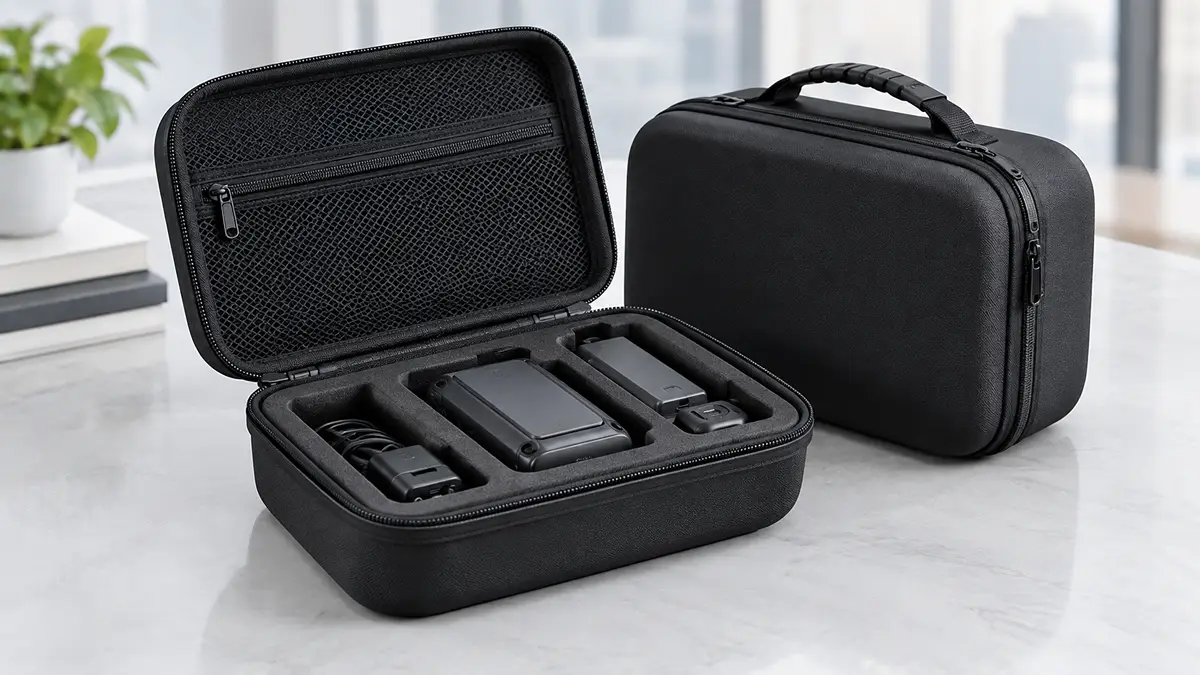
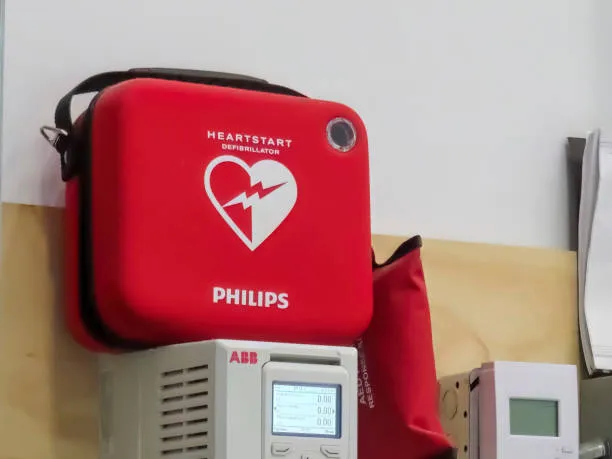
Medical equipment often moves between clinics, hospitals, labs, and field locations. During transport and daily handling, your devices may face vibration, impact, and repeated movement. Even small internal shifts can affect sensitive components over time. The right carrying case helps you keep equipment stable, 整頓された, and better protected throughout the workflow.
このガイドで, we compare the main carrying case options used for medical equipment and explain how to choose the right solution for different applications.
5 Types of Carrying Cases for Medical Devices

Comparison at a Glance
| Case Type | Best For | Key Strength | Main Limitation |
|---|---|---|---|
| Rigid Plastic | Logistics & hospital storage | Crush resistance, stackable | Transfers impact energy |
| エヴァ | Portable medical transport | Lightweight shock absorption | Lower extreme compression resistance |
| Foam-Engineered | Precision instruments | Maximum internal stabilization | Inflexible for reconfiguration |
| Soft-Sided Bags | Non-fragile consumables | 軽量, low cost | No structural protection |
| Aluminum / Metal | High-value specialist tools | Premium rigidity & sealing | Heavy, expensive, no shock absorption |
Rigid Plastic Carrying Cases
Rigid plastic cases are built for structured logistics and bulk storage. Their hard-shell construction provides high crush resistance and stable stacking, making them the standard choice for hospital supply chains, warehouse transport, and clinical storage systems.
しかし, rigid plastic transfers impact energy directly to the contents rather than absorbing it. For delicate or precision-calibrated devices, this can be a significant drawback. They also tend to be heavier and less ergonomic for individual daily carry.
EVA Carrying Cases
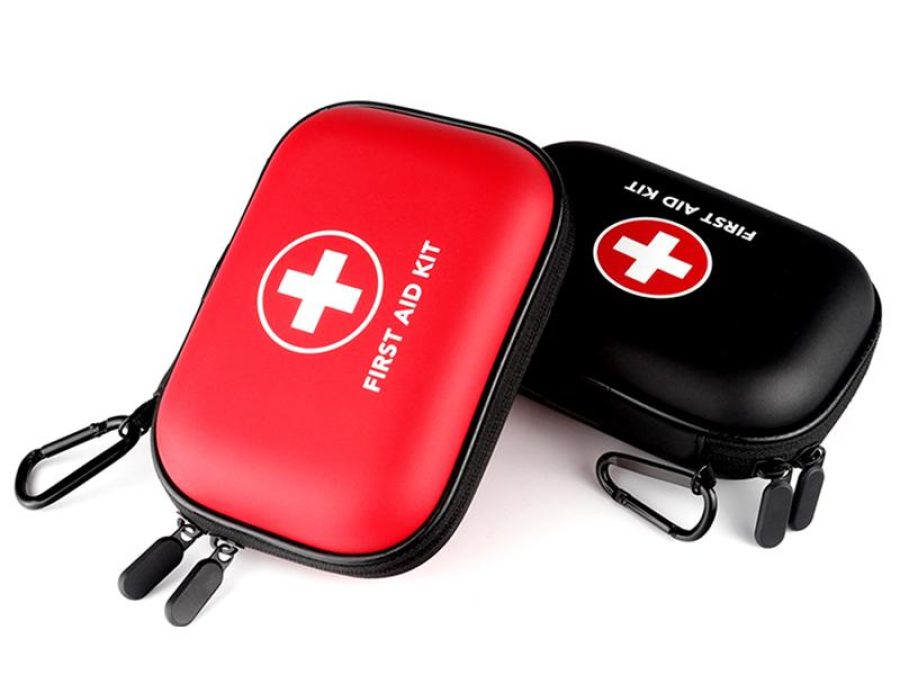
エヴァ (エチレン酢酸ビニル) cases are the most versatile option for portable medical equipment and field use. The closed-cell foam structure compresses under impact and recovers its shape, absorbing and dispersing shock energy away from the device inside.
EVA cases combine lightweight handling, strong shock absorption, and deep customization flexibility — from CNC-cut foam interiors to custom exterior branding. They are the preferred choice for stethoscopes, insulin pumps, CPAP equipment, 血糖測定器, and home-care kits where daily portability matters. The trade-off is lower rigidity under extreme compression compared to rigid plastic, though this is rarely a concern for individually carried medical devices.
Foam-Engineered Carrying Systems
Foam-engineered systems prioritize maximum internal stabilization and fit precision. Every compartment is precision-cut to hold a specific component in a fixed position, leaving zero tolerance for movement or vibration during transport.
These systems are ideal for high-sensitivity instruments such as endoscopes, portable ultrasound probes, and calibration-sensitive measurement devices where even minor internal displacement can compromise accuracy. The limitation is reduced flexibility for reconfiguration — once the foam is cut for a specific layout, adapting it for a different device requires a completely new insert.
Soft-Sided Medical Bags
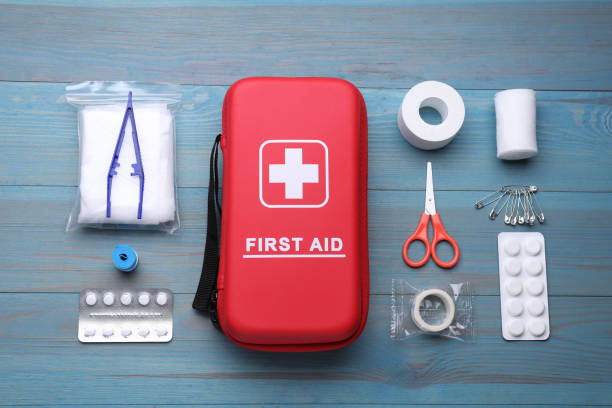
Soft-sided bags made from nylon, ポリエステル, or canvas are lightweight, フレキシブル, and inexpensive. They work well for non-fragile medical supplies such as bandages, gauze, sample collection kits, and basic first aid materials.
Their primary weakness is the lack of rigid structural protection. Without a hardened shell, soft bags cannot shield delicate electronics or precision instruments from crushing forces, drops, or impacts. They are best reserved for consumables and low-value supplies where physical protection is not critical.
Aluminum and Metal Attache Cases
Aluminum cases offer a premium, high-end appearance with excellent rigidity and environmental sealing. They are commonly used for high-value surgical instruments, specialist diagnostic tools, and presentation-grade medical kits where both protection and professional image are important.
The main drawbacks are weight and cost. Aluminum cases are significantly heavier than EVA alternatives — often 3–5× the weight for a comparable internal volume. They also lack the shock-absorbing properties of EVA foam, meaning impact energy is transferred through the rigid shell unless supplemented with internal padding.
Premium Protection for Your Medical Devices
Key Features to Look For When Choosing Medical Cases

Protection Against Impact and Vibration
Medical equipment is frequently exposed to drops, 振動, and repeated handling during transport. Your case should reduce external force before it reaches sensitive internal components such as sensors, screens, and calibration systems. This is especially important when devices move between hospitals, clinics, and field environments.
Key points to check:
- 衝撃吸収: Reduces impact force during drops and sudden handling events.
- Structural Strength: Maintains case integrity under stacking and compression pressure.
- Vibration Control: Limits continuous movement damage during road and air transport.
- Material Durability: Supports long-term use under repeated logistics cycles.
Stable Internal Fit and Organization
A carrying case only performs well when your equipment remains fully stable inside. Even minor movement can lead to connector wear, calibration drift, or surface damage over time. A properly designed internal layout ensures each component stays fixed during transport and daily use.
Key points to check:
- Custom Fit: Matches device shape to eliminate internal movement.
- Device Stability: Keeps equipment locked in position under vibration.
- Access Separation: Separates the main device from cables and accessories.
- Fragile Protection: Shields, screens, レンズ, and sensitive components.
Portability and Practical Handling
Medical carrying cases are often handled multiple times a day by different users. 重さ, grip design, and usability directly affect operational efficiency. A good medical case should protect equipment while remaining easy to carry and deploy in real workflows.
Key points to check:
- Lightweight Design: Reduces fatigue during frequent transport.
- Ergonomic Grip: Improves handling comfort and control.
- Quick Access: Supports fast opening and deployment in clinical use.
- Balanced Structure: Combines protection with everyday portability.
EVA-based carrying cases are widely used in portable medical applications because they achieve a practical balance between weight, 保護, そして使いやすさ, especially in mobile and field environments.
How to Match the Right Case Type to Your Specific Medical Device

Below is a practical guide to help you match each of the five case types to the right medical device scenario.
When to Choose Rigid Plastic Cases
If your equipment moves through structured logistics or gets stored in hospital warehouse racks, rigid plastic cases give you the crush resistance and stacking stability you need. They work well for bulk consumable transport — syringes, 手袋, IV supplies — where individual carry comfort is not a priority. Just remember that rigid plastic transfers impact energy directly to your contents, so avoid it for fragile or precision-calibrated devices.
When to Choose EVA Carrying Cases
If your device is carried daily by a healthcare professional, used in the field, or shipped to patients for home care, EVA is almost certainly your best starting point. You get lightweight shock absorption, deep customization from CNC-cut foam to branded exteriors, and ergonomic portability — all at a significantly lower tooling cost than rigid alternatives. 聴診器, insulin pumps, CPAP machines, 血糖測定器, and emergency kits all land squarely in this category.
When to Choose Foam-Engineered Systems
For devices where even minor internal movement compromises performance, foam-engineered systems deliver the exact fit you require. Optical instruments like endoscopes, calibration-sensitive measurement tools, and portable imaging probes all benefit from this approach. Every compartment is precision-cut to hold a specific component in a fixed position with zero tolerance for vibration. Once the foam layout is set, it cannot be easily reconfigured — so it is best suited for stable, long-running product lines.
When to Choose Soft-Sided Bags
If you are transporting non-fragile medical supplies like bandages, gauze, sample collection kits, or basic first aid materials, soft-sided bags offer a lightweight and low-cost option. They are flexible, easy to store, and simple to replace. しかし, they provide no rigid structural protection, so you should avoid them for any device with delicate electronics, precision components, or items that cannot tolerate crushing forces during transport.
When to Choose Aluminum Cases
If you are packaging high-value surgical instruments or specialist diagnostic tools where both protection and professional presentation matter, aluminum cases deliver a premium solution. They offer excellent rigidity, environmental sealing, and a refined appearance that reinforces your brand image. The trade-off is weight — typically 3 に 5 times heavier than EVA — and higher cost, making them best reserved for high-value, low-volume applications where image and durability justify the investment.
最終的な考え
The best carrying case for your medical equipment is the one that matches protection to risk and design to the user. Across five case types, six evaluation factors, and device-specific matching strategies, one conclusion stands out: for most portable, user-carried medical devices, EVA carrying cases deliver the most balanced combination of shock absorption, カスタマイズ, 携帯性, とコスト効率.
If you are looking for a custom medical EVA case, キンフィッシュケース is a specialized manufacturer you can count on. We offer full customization — from exterior material and branding to precision-cut foam interiors shaped around your exact device. Every case we build is designed to meet medical-grade safety and compliance standards, so your equipment stays protected and your brand stays professional.
Ready to get started? お問い合わせ for a free consultation — share your device specifications and let us build the case your medical equipment deserves.
Frequently Asked Questions
How do you transport medical devices safely?
Transporting medical devices safely demands a controlled process to protect structural integrity, sterility, and temperature stability. You must immobilize the equipment using shock-absorbing packaging, physically separate clean instruments from contaminated ones, and partner with specialized medical logistics providers. Maintaining strict chain of custody and complying with regulatory standards like AAMI TIR109 ensures the devices remain functional and safe for patient use.
What is the best protective case for medical equipment?
The ideal protective case depends on the device’s fragility and the specific transit environment. Hard plastic injection-molded cases are highly effective for rugged EMS field use. Aluminum options deliver high structural strength to protect sensitive diagnostics from severe impacts. For heavy capital equipment, ATA composite shipping cases provide the necessary durability, while soft-sided EVA cases offer lightweight portability for home-care kits and sales demonstrations.
Are EVA cases considered shockproof?
エチレン酢酸ビニル (エヴァ) cases act as highly shock-resistant enclosures, though they are not fully shockproof against extreme impacts. The thermoformed shells absorb baseline energy effectively. When engineers pair this outer shell with precision-cut custom foam inserts, the system provides excellent protection against the routine drops, バンプ, and vibrations portable medical devices experience during daily transport.
What type of foam is most commonly used in medical transport cases?
Manufacturers primarily use closed-cell polyethylene (PE) and cross-linked polyethylene (xlpe) foams to build medical equipment cases. These materials provide high shock absorption, hold tight dimensional tolerances, and naturally resist moisture and biological contaminants. This closed-cell structure also makes them easy to disinfect. Sometimes, designers add open-cell polyurethane (PU) foam as a softer top layer to provide secondary cushioning.
How do hospitals move heavy diagnostic equipment?
Hospitals contract specialized medical-equipment moving firms to relocate large systems like MRIs, CT scanners, and lab analyzers. These professionals execute precise de-installations, build custom crating, use specialized rigging equipment, and transport the machinery in air-ride trucks to eliminate damaging vibrations. For routine internal moves, trained clinical staff push the devices using dedicated, low-center-of-gravity carts to prevent tipping.
What steps prevent medical device damage during transit?
Preventing transit damage starts with multi-layered packaging and custom foam inserts designed to completely immobilize the device. Logistics teams control humidity by adding desiccants inside sealed cases and apply shock and tilt indicators to deter rough handling. Transporting the freight on air-ride suspension vehicles and planning direct routes significantly reduces the number of transfer points, lowering the overall risk of physical impact.