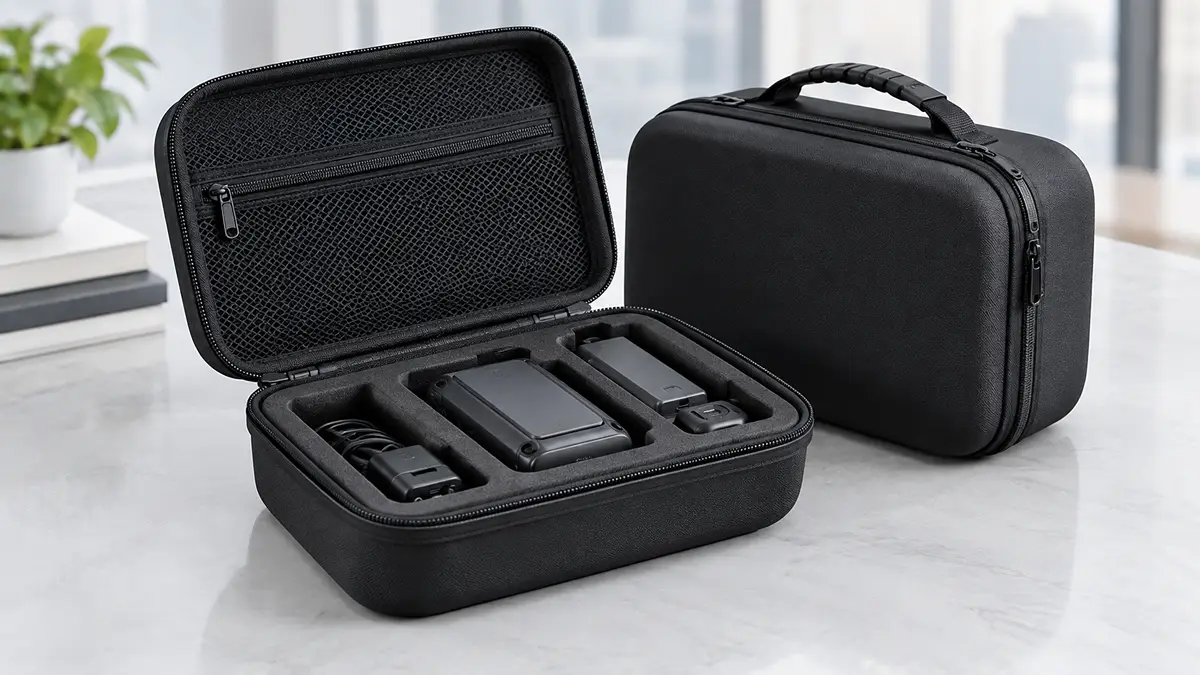
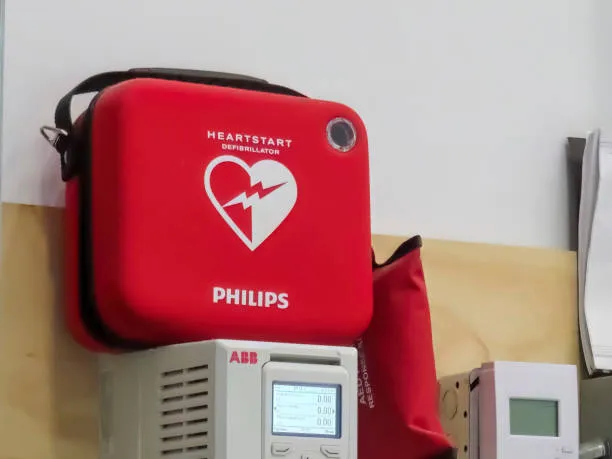
適切に設計された EVA ケースは、保管および輸送中に診断機器や試験装置を保護する最も信頼性の高い方法の 1 つです。. この種の機器を製造または供給する場合, 自分でケースをデザインすることは期待されていません, しかし、適切な構造がどのように構築されるかを理解することが重要です。
優れたEVAケースは損傷のリスクを軽減します, 敏感な部分を安定させる, デバイスが頻繁に移動および使用される実際の作業環境でのより安全な取り扱いをサポートします。. この記事では、完全な設計プロセスを段階的に説明します。, そのため、ケースの品質をより適切に評価し、機器に適切な保護ソリューションを選択できます。.
デバイス要件と適用条件
デバイスの機能と感度
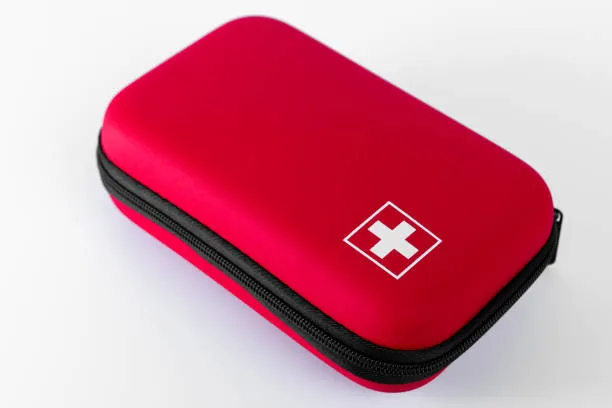
診断機器には、臨床環境で使用される医療機器や検査ツールが含まれることがよくあります。, だからこそ 医療用EVAケース 多くの場合、より高い安全性と衛生基準が求められます. EVA ケースの設計を始める前に, デバイスがどのように動作するのか、どの部分が敏感なのかを明確に理解する必要があります。
診断装置には多くの場合、画面が含まれています, センサー, または圧力や振動によって損傷する可能性のあるプローブコネクタ. これらの弱点を早期に特定しないと, フォーム構造により不均一な力がかかる可能性があります, それは長期的な失敗につながる. あなたのワークショップで, このステップは、実際の現場での使用時に最終ケースがどの程度安全で安定するかに直接影響します。.
作業環境条件
EVA ケースの設計は、デバイスが使用される実際の環境に一致する必要があります. 機器がフィールドテストで使用されている場合, それは震えるでしょう, 温度変化, そして頻繁な移動. 研究室で使用する場合, 清潔な保管と軽い取り扱いに重点が置かれる可能性があります. これらの条件により、フォームの密度と構造の強度が決まります。. この手順がなければ, たとえうまくカットされたフォームレイアウトであっても、実際の輸送中に失敗する可能性があります.
付属品と使用の流れ
ほとんどの診断装置は単独では使用されません. プローブが付属しています, ケーブル, 充電器, そして小さな道具. ユーザーが作業中に実際にこれらの項目間をどのように移動するかを理解する必要があります. ワークショップがこの使用フローを無視した場合, 日々の操作が遅くなり非効率になる. 優れたEVAケースが自然なワークフローをサポート, ユーザーが開けるようにする, アクセス, 混乱や余分な処理時間を発生させることなく、論理的な順序でアイテムを保管します。.
EVA発泡体設計用測定装置
主要装置の寸法
メインデバイスの正確な測定が優れたEVAケースの基礎です. 長さを測る必要があります, 幅, 身長, 湾曲した部分や凹凸のある部分も. 測定が間違っている場合, たとえ数ミリでも, フォームがデバイスを強く圧迫しすぎるか、ケース内で緩んだままになります。. 実際のワークショップ制作では, これは、クライアントのテスト中の保護パフォーマンスと製品の受け入れに直接影響します。.
異形部測定
多くの診断ツールにはプローブが付いています, ポート, または測定が容易ではない拡張部分. これらの領域は多くの場合最も脆弱です, したがって、測定は非常に正確でなければなりません. この形を無視すると, フォームのカットアウトが敏感な部分を圧迫する可能性があります, 長期的なダメージを引き起こす. 実際のEVA設計作業において, すべての小さなパーツを独立したオブジェクトとして扱い、完全なレイアウトを組み合わせる前に個別に測定する必要があります。.
クリアランスとフィットスペース
すべての部品を測定した後, フォームを切断する前にクリアランススペースを追加する必要があります. ユーザーがデバイスをスムーズに挿入および取り外しできるように、EVA 素材には耐性が必要です. フィット感がきつすぎる場合, エッジにストレスがかかり、使いやすさが低下します. 緩すぎる場合, 輸送中にデバイスが移動します. ワークショップの練習中, 多くの場合、2 ~ 5 mm の小さな調整によって、最終的なケースがプロフェッショナルに見えるか、デザインが不十分であるかが決まります。.
医療機器に対するプレミアムな保護
内部EVAフォームのレイアウト設計
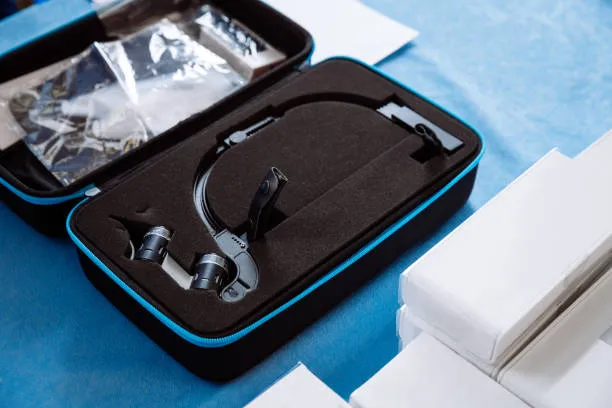
ケース内でのデバイスの位置決め
EVAケース内のメインデバイスの位置が全体の安定性を決定します. 最も重いアイテムや最も重要なアイテムは、常に中央のバランスの取れた位置に配置する必要があります。. これにより片側の圧力が軽減され、輸送中のズレを防ぎます。. 位置決めが間違っている場合, 高密度フォームでもデバイスを完全に保護することはできません. 実際に使用中, たとえケースが丈夫そうに見えても、配置が悪いと振動による損傷につながることがよくあります.
衝撃保護構造
EVA フォームは圧縮を通じて衝撃エネルギーを吸収し、デバイスを保護します。. ショックが起こったとき, フォームは力を直接デバイスに伝えるのではなく、ゆっくりと分散させます。. 構造設計が弱い場合, エネルギーは一点に集中します, 損害を与える. そのため、デリケートな部分の周囲には十分な厚みのフォームが必要です。. ワークショップテスト中, この構造は、単純な落下と振動のシミュレーションによって確認されることがよくあります。.
層状フォーム構造
優れた EVA ケースは通常、単一のブロックではなく層構造を使用しています。. 最上層は表面圧力から保護します, 中間層はデバイスの形状を保持します, 最下層がサポートを提供します. この構造は、輸送中に力をより均等に分散するのに役立ちます. レイヤーを 1 つだけ使用する場合, 繰り返し使用すると、泡が早く崩れることがあります. レイヤードデザインにより耐久性も向上, 特に日常の現場作業で使用されるデバイス向け.
機能的なEVAコンパートメント設計
1 アイテム 1 スロット レイアウト
EVA ケース内の各アイテムには専用のスペースが必要です. この「1 アイテム 1 スロット」ルールにより、移動が防止され、使用中の混乱が軽減されます。. 複数の工具を 1 つのキャビティに配置する場合, 衝突して傷や破損の原因となる可能性があります. ワークショップの申し込みでは, このレイアウトにより速度も向上します, ユーザーは作業やフィールドテスト後に不足品がないかをすぐに確認できるため、.
ケーブルと小さな部品の保管場所
ケーブルや小さなアクセサリは、整理するのが最も難しい部分であることがよくあります. 適切な EVA スロットに取り付けられていない場合, 時間の経過とともに絡まって摩耗が増加します. 適切に設計されたケースには、ケーブルの自然な形状に沿った狭いチャネルまたは湾曲したスロットが含まれています。. これによりコネクタへのストレスが軽減され、長期的な使用感が向上します。. 実際のテスト環境では, これにより、各操作前のセットアップ時間も節約されます.
運用ベースの手配
優れた EVA レイアウトは、単にアイテムを取り付けるだけではありません, ユーザーの働き方についても. 使用頻度とワークフローの順序に基づいてアイテムを配置する必要があります. 最初に使用するツールはアクセスしやすいはずです, めったに使用しない部品はより深く配置できます. これにより、不必要な動きが減り、作業場や現場作業の効率が向上します。, especially when users need to work under time pressure.
保護のためのEVA素材の選択
EVA 密度オプション
EVA フォームにはさまざまな密度があります, そしてそれぞれが保護性能に影響を与えます. Low-density foam is softer and better for light devices, while high-density foam offers stronger impact resistance for heavy equipment. 間違った濃度を選択した場合, ケースが柔らかすぎる、または硬すぎると感じる可能性があります. 実際のワークショップ制作では, selecting the right density is important for balancing protection and usability.
多層EVA構造
Different EVA layers can be combined to improve performance. A softer top layer can protect surfaces from scratches, while a harder base layer supports structural stability. This combination helps absorb shock more effectively. 1 つの密度タイプのみを使用する場合, the case may not perform well under different stress conditions. Multi-layer design is commonly used in diagnostic equipment cases because it improves long-term durability.
産業用途での実績
実際の作業環境では, EVA ケースは繰り返しの開封に対応する必要がある, 閉店, そして輸送. This creates long-term pressure on the foam structure. 材料の品質が安定していない場合, it will deform over time and lose protection ability. That is why industrial-grade EVA is often used for testing devices. And material selection directly affects product lifespan and customer satisfaction after long-term use.
試作と製造プロセス
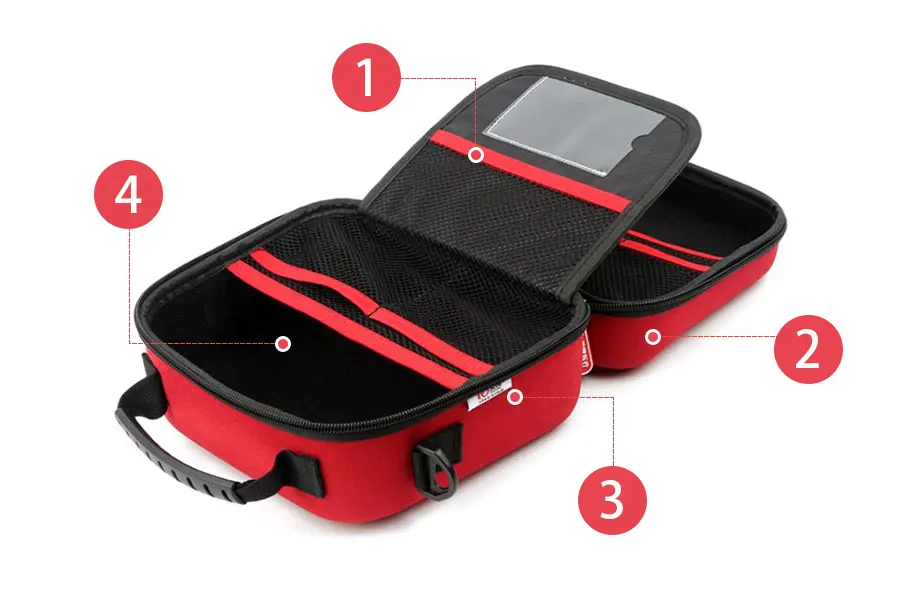
EVA原型製作
量産前, you always need a prototype to test the real fit and usability. このステップは、デバイスが正しくフィットしているかどうか、またユーザーがアイテムを簡単に挿入および削除できるかどうかを確認するのに役立ちます。. この段階をスキップすると, 小さな設計ミスは製造後にのみ現れる可能性があります, それは高価です. ワークショップの練習中, プロトタイピングは、大規模な製造を開始する前に設計を検証する最も安全な方法です.
フィットテストと調整
試作品を作ってから, 実際の作業条件でテストする必要があります. これにはデバイスの挿入も含まれます, 輸送のシミュレーション, そしてケース内の動作確認. きつい部分や緩い部分を見つけた場合, 調整はフォームのカットや間隔を変更することで行われます。. このプロセスにより、最終製品が実際の使用において適切に機能することが保証されます。, 設計図だけでなく. これは長期的な障害リスクを軽減するための重要なステップです.
切断・量産
プロトタイプが承認されたら, CNC 切断機または型抜き機を使用して量産が開始される. これらのツールにより、すべての EVA ピースが承認された設計と高精度で一致することが保証されます。. カット後, フォーム層が接着され、最終ケースに組み立てられます. 一貫性を確認するために品質チェックが行われます. 実際の制作では, このステップにより、クライアントに提供されるすべてのケースが同じ保護レベルと適合精度を維持することが保証されます。.
よくある質問
EVAケースの設計にはどのくらい時間がかかりますか?
デザインプロセスには通常、数日から数週間かかります, 複雑さに応じて. デバイスに多くのアクセサリまたは特殊な形状がある場合, 測定とレイアウト計画にさらに時間が必要. 実際のプロジェクトでは, ワークショップと設計チーム間のコミュニケーションが高速化されることで、遅延が大幅に削減され、最終精度が向上します。.
始めるために必要な情報は何ですか?
を開始するには カスタムEVAケース プロジェクト, デバイスの寸法を指定する必要があります, 付属品リスト, および使用環境. 写真やCADファイルも非常に役立ちます. 明確な入力がない場合, デザインには複数の修正が必要になる場合があります. 実際に, より良い初期情報により、プロトタイピングが迅速化され、後の生産段階での調整が少なくなります。.
保護性能はどのようにテストされますか?
EVAケースの性能はフィットチェックによってテストされます, 振動シミュレーション, および輸送取り扱い試験. これらのテストは、フォーム構造が効果的に衝撃を吸収できるかどうかを確認するのに役立ちます。. 弱点が見つかった場合, 量産前にデザインを調整します. これにより、最終ケースが内部のデバイスを損傷することなく実際の作業条件に対応できることが保証されます。.
EVA ケースをブランディング用にカスタマイズできますか?
はい, EVAケースはロゴを入れてカスタマイズ可能, 色, そして外装材. ブランディングは製品の認知度とプロフェッショナルな外観の向上に役立ちます. B2B アプリケーションの場合, ワークショップや会社では機器のプレゼンテーションの一部としてケースを使用することが多いため、これは重要です。. 優れたブランドの EVA ケースは、機能と知覚される製品価値の両方を向上させます.
最終的な考え
診断装置およびテスト装置用のカスタム EVA ケースの設計は、装置を理解することから始まる構造化されたプロセスです, 正確な測定を継続します, そして検証された本番環境で終了します. 各ステップは保護パフォーマンスに影響します, 使いやすさ, そして長期的な信頼性. これらの要素がうまく揃っているとき, 厳しい現場や輸送条件でも機器は安定して安全に維持できます.
で キンフィッシュケース, 当社は、お客様の機器の実際の動作ニーズに適合する EVA 保護ソリューションの構築に重点を置いています。, 標準的なパッケージングのアイデアだけではありません. 実践的なエンジニアリング思考と一貫した品質管理で、設計から生産までプロジェクトをサポートします。. デバイスの新しい保護ソリューションを計画している場合, 今すぐご連絡ください, あなたのアプリケーションに本当に適合するケースを構築しましょう.