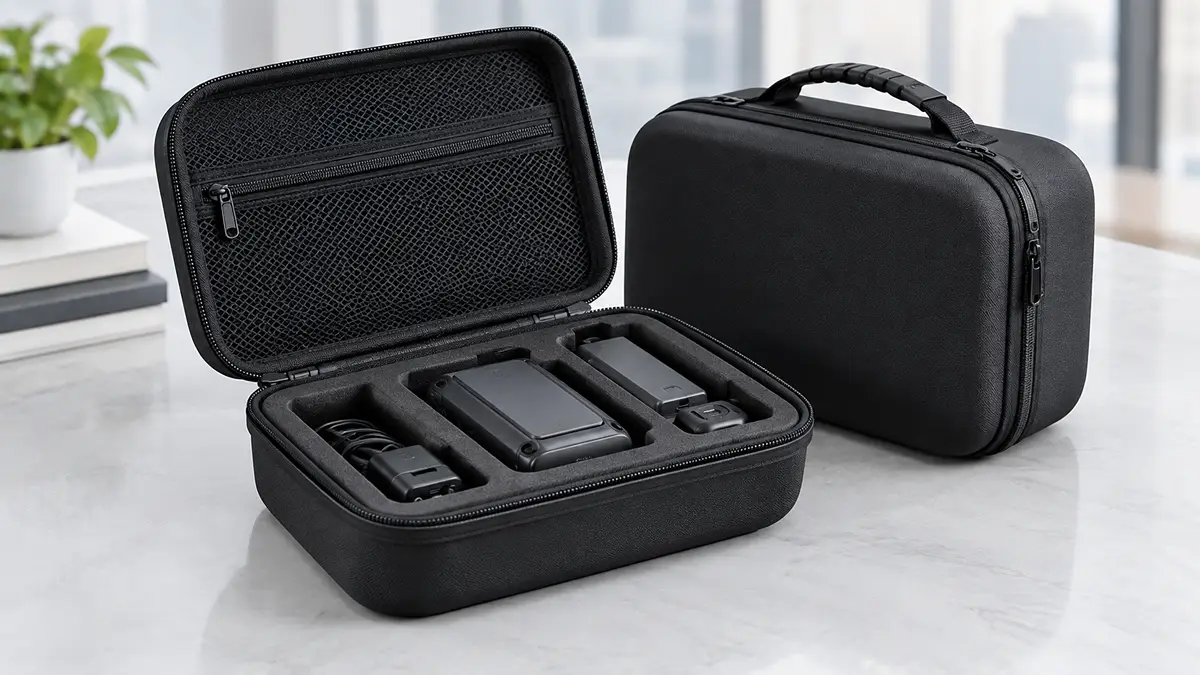
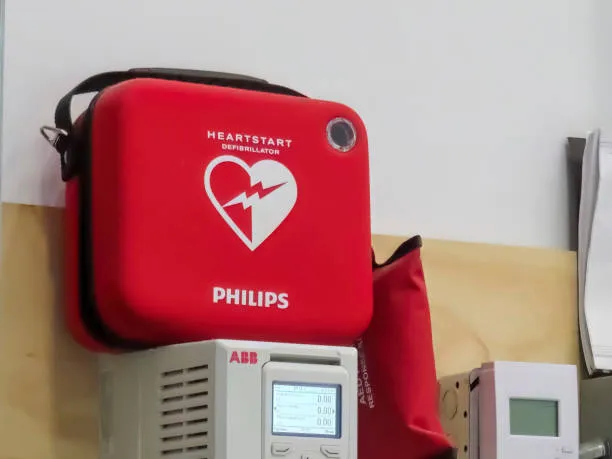
A well-designed EVA case is one of the most reliable ways to protect diagnostic equipment and testing devices during storage and transport. If you manufacture or supply this kind of equipment, you are not expected to design the case yourself, but it is important to understand how a proper structure is built.
A good EVA case helps reduce damage risk, stabilize sensitive parts, and support safer handling in real working environments where your devices are frequently moved and used. This article explains the full design process step by step, so you can better evaluate case quality and choose the right protective solution for your equipment.
Device Requirements and Application Conditions
장치 기능 및 감도
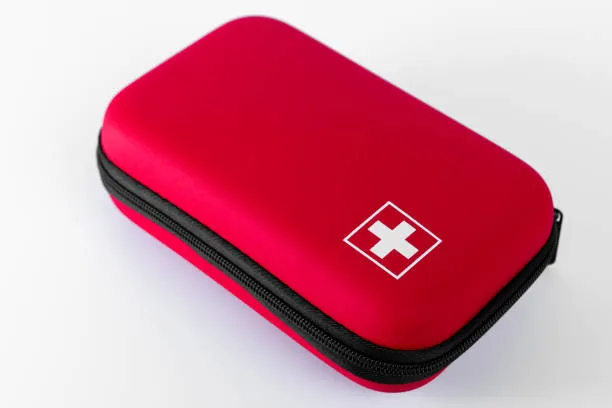
Diagnostic equipment often includes medical devices or testing tools used in clinical environments, which is why a medical EVA case is often required for higher safety and hygiene standards. EVA 케이스 디자인을 시작하기 전에, you need to clearly understand how your device works and which parts are sensitive.
진단 장비에는 종종 스크린이 포함됩니다., 센서, or probe connectors that can be damaged by pressure or vibration. 이러한 약점을 조기에 발견하지 못하면, the foam structure may apply uneven force, 이는 장기적인 실패로 이어진다.. 귀하의 작업장에서, this step directly affects how safe and stable the final case will be during real field use.
작업 환경 조건
Your EVA case design must match the real environment where your device is used. 장비가 현장 테스트에 사용되는 경우, it will face shaking, 온도 변화, and frequent movement. If it is used in a lab, the focus may be more on clean storage and light handling. These conditions decide how strong the foam density and structure should be. Without this step, even a well-cut foam layout may fail during real transport.
액세서리 및 사용 흐름
대부분의 진단 장비는 단독으로 사용되지 않습니다.. They come with probes, 케이블, 충전기, and small tools. You need to understand how users actually move between these items during work. 작업장에서 이 사용 흐름을 무시하는 경우, the case becomes slow and inefficient in daily operation. 좋은 EVA 케이스는 자연스러운 작업 흐름을 지원합니다., so users can open, 입장, and store items in a logical order without confusion or extra handling time.
EVA 폼 설계용 측정 장비
Main Device Dimensions
Accurate measurement of the main device is the basis of a good EVA case. 길이를 측정해야 합니다., 너비, 키, and also any curved or uneven areas. If the measurement is wrong, 몇 밀리미터라도, the foam will either press the device too tightly or leave it loose inside the case. In real workshop production, this directly affects protection performance and product acceptance during client testing.
불규칙 부품 측정
Many diagnostic tools have probes, 포트, or extended parts that are not easy to measure. These areas are often the most fragile, so your measurement must be very precise. If you ignore these shapes, the foam cut-out may press on sensitive points, causing long-term damage. In real EVA design work, you need to treat every small part as an independent object and measure it separately before combining the full layout.
Clearance and Fit Space
After measuring all parts, you must add clearance space before cutting the foam. EVA material needs tolerance so users can insert and remove devices smoothly. If the fit is too tight, it creates stress on the edges and reduces usability. If it is too loose, the device will move during transport. In workshop practice, a small adjustment of 2–5 mm often decides whether the final case feels professional or poorly designed.
귀하의 의료 기기를 위한 프리미엄 보호
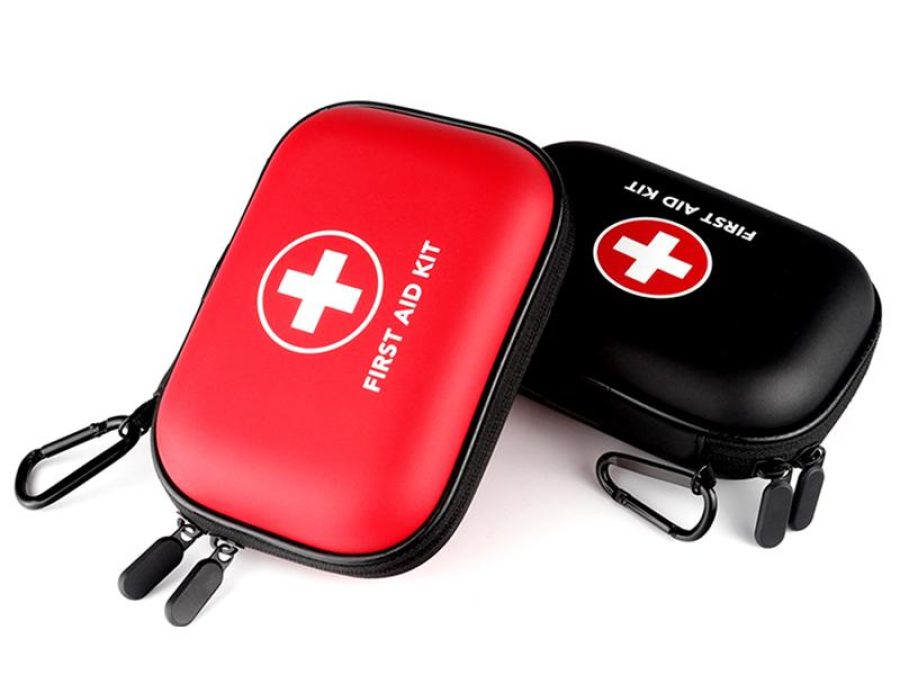
Internal EVA Foam Layout Design
Device Positioning in Case
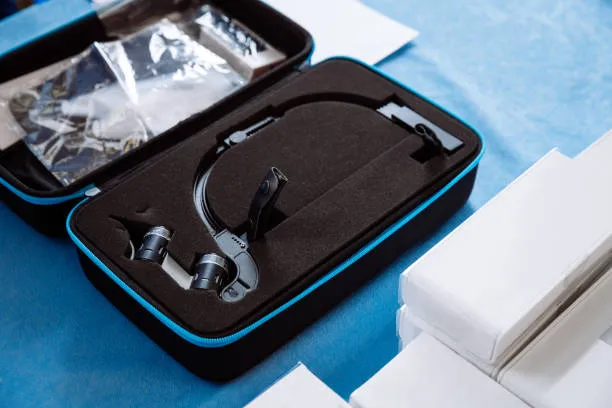
The position of the main device inside the EVA case decides overall stability. You should always place the heaviest or most important item in a central and balanced position. This reduces pressure on one side and prevents shifting during transport. 위치가 잘못된 경우, even high-density foam cannot fully protect the device. 실제 사용 중, poor placement often leads to vibration damage even if the case looks strong.
Shock Protection Structure
EVA foam protects devices by absorbing impact energy through compression. 충격이 닥쳤을 때, the foam slowly spreads the force instead of passing it directly to the device. If your structure design is weak, the energy will concentrate in one point, 피해를 입히다. That is why you need enough foam thickness around sensitive areas. 워크샵 테스트 중, this structure is often checked by simple drop and shake simulations.
Layered Foam Construction
A good EVA case usually uses a layered structure instead of a single block. 최상층은 표면 압력으로부터 보호합니다., 중간 레이어는 장치 모양을 유지합니다., 하단 레이어는 지원을 제공합니다.. This structure helps distribute force more evenly during transport. 하나의 레이어만 사용하는 경우, 반복 사용 후 폼이 더 빨리 붕괴될 수 있습니다.. 레이어드 디자인으로 내구성도 향상, especially for devices used in daily field operations.
기능성 EVA 수납공간 디자인
One Item One Slot Layout
Each item in your EVA case should have its own dedicated space. This “one item one slot” rule helps prevent movement and reduces confusion during use. 하나의 캐비티에 여러 개의 도구가 배치된 경우, 서로 충돌하여 긁힘이나 손상이 발생할 수 있습니다.. In workshop applications, 이 레이아웃은 속도도 향상시킵니다., because users can quickly check if any item is missing after work or field testing.
케이블 및 소형 부품 보관
Cables and small accessories are often the hardest parts to organize. 올바른 EVA 슬롯에 배치되지 않은 경우, they will tangle and increase wear over time. A well-designed case includes narrow channels or curved slots that follow the natural shape of cables. This reduces stress on connectors and improves long-term usability. 실제 테스트 환경에서, this also saves setup time before each operation.
운영 기반 배열
A good EVA layout is not only about fitting items, but also about how users work. You should arrange items based on frequency of use and workflow order. Tools used first should be easier to access, while rarely used parts can be placed deeper. This reduces unnecessary movement and improves efficiency in your workshop or field operation, especially when users need to work under time pressure.
EVA Material Selection for Protection
EVA Density Options
EVA foam comes in different densities, and each one affects protection performance. Low-density foam is softer and better for light devices, while high-density foam offers stronger impact resistance for heavy equipment. If you choose the wrong density, the case may either feel too soft or too rigid. In real workshop production, selecting the right density is important for balancing protection and usability.
Multi-Layer EVA Structure
Different EVA layers can be combined to improve performance. A softer top layer can protect surfaces from scratches, while a harder base layer supports structural stability. This combination helps absorb shock more effectively. If you only use one density type, the case may not perform well under different stress conditions. Multi-layer design is commonly used in diagnostic equipment cases because it improves long-term durability.
Industrial Use Performance
In real working environments, EVA cases must handle repeated opening, 폐쇄, 그리고 운송. This creates long-term pressure on the foam structure. If the material quality is not stable, it will deform over time and lose protection ability. That is why industrial-grade EVA is often used for testing devices. And material selection directly affects product lifespan and customer satisfaction after long-term use.
Prototyping and Manufacturing Process
EVA 프로토타입 제작
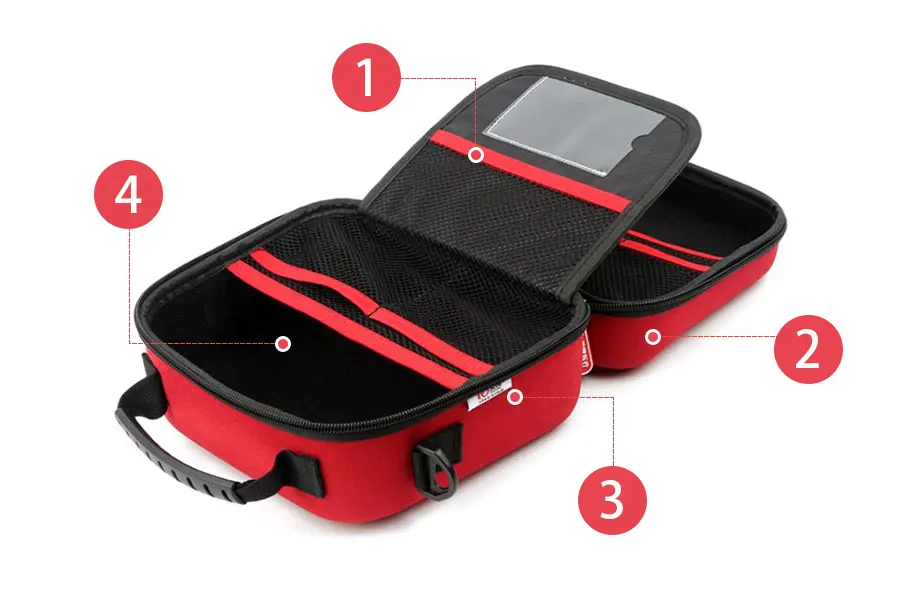
양산 전, you always need a prototype to test the real fit and usability. This step helps you confirm whether the device fits correctly and whether users can easily insert and remove items. 이 단계를 건너 뛰면, 작은 디자인 실수는 생산 후에만 나타날 수 있습니다., 비용이 많이 드는. In workshop practice, prototyping is the safest way to validate design before large-scale manufacturing begins.
적합성 테스트 및 조정
After making a prototype, 실제 작업 조건에서 테스트해야 합니다.. 여기에는 삽입 장치도 포함됩니다., simulating transport, 케이스 내부의 움직임을 확인하고. 빡빡하거나 느슨한 부위를 발견한 경우, 폼 컷이나 간격을 수정하여 조정합니다.. 이 프로세스는 최종 제품이 실제 사용에서 잘 작동하도록 보장합니다., 디자인 도면뿐만 아니라. 장기적인 실패 위험을 줄이기 위한 핵심 단계입니다..
절단 및 대량생산
프로토 타입이 승인되면, CNC 절단 또는 다이커팅 기계를 사용하여 대량 생산 시작. These tools ensure that every EVA piece matches the approved design with high precision. After cutting, foam layers are bonded and assembled into final cases. Quality checks are done to confirm consistency. In real production, this step ensures that every case delivered to your clients maintains the same protection level and fit accuracy.
FAQ
How long does the EVA case design take?
The design process usually takes a few days to a few weeks, depending on complexity. If your device has many accessories or special shapes, more time is needed for measurement and layout planning. In real projects, faster communication between your workshop and the design team can significantly reduce delays and improve final accuracy.
What information is required to start?
To start a 맞춤형 EVA 케이스 프로젝트, you need to provide device dimensions, accessory list, and usage environment. Photos or CAD files are also very helpful. Without clear input, the design may require multiple revisions. In practice, better initial information leads to faster prototyping and fewer adjustments later in the production stage.
How is protection performance tested?
EVA case performance is tested through fit checks, vibration simulation, and transport handling tests. These tests help confirm whether the foam structure can absorb shock effectively. If any weak points are found, the design is adjusted before mass production. This ensures that the final case can handle real working conditions without damaging the device inside.
Can EVA cases be customized for branding?
예, EVA cases can be customized with logos, 그림 물감, and external materials. Branding helps improve product recognition and professional appearance. In B2B applications, this is important because your workshop or company often uses the case as part of an equipment presentation. A well-branded EVA case improves both function and perceived product value.
최종 생각
Designing a custom EVA case for diagnostic equipment and testing devices is a structured process that starts from understanding the device, continues through precise measurement, and ends with validated production. Each step affects protection performance, usability, and long-term reliability. When these elements are well aligned, your equipment can stay stable and safe even in demanding field or transport conditions.
~에 KinFish 케이스, we focus on building EVA protection solutions that match the real working needs of your equipment, not just standard packaging ideas. We support your project from design to production with practical engineering thinking and consistent quality control. If you are planning a new protective solution for your devices, 오늘 저희에게 연락하세요, and let’s build a case that truly fits your application.