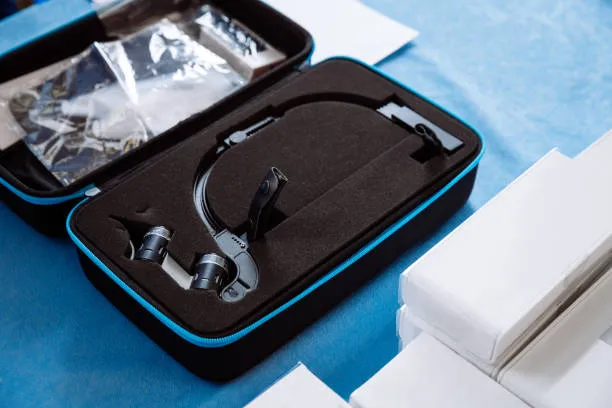
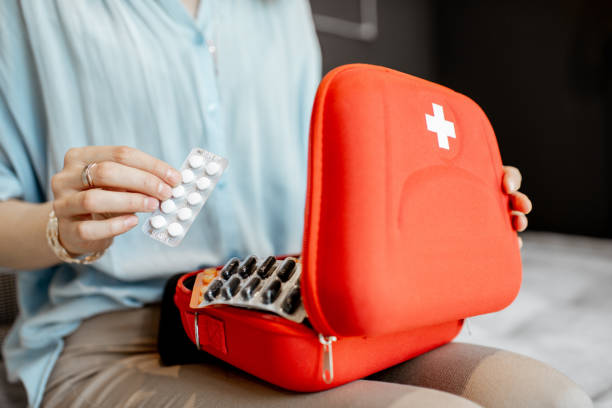
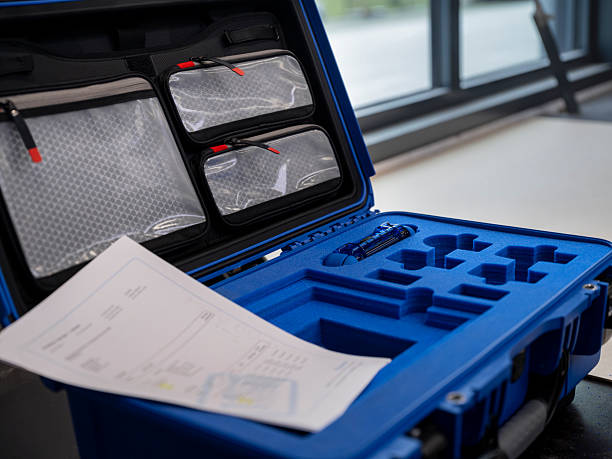
Quando si tratta di scegliere il materiale giusto per prodotti che vanno dalle scarpe alle custodie protettive, EVA e PVC spesso emergono come i principali contendenti. Entrambi i materiali hanno proprietà uniche, ma comprendendo i propri punti di forza, limitazioni, e le applicazioni tipiche sono essenziali sia per i produttori che per i consumatori. Che tu sia un produttore della custodia o semplicemente curioso delle differenze, questa guida ti aiuterà a prendere una decisione informata.
| Caratteristica / Proprietà | EVA (Etilene vinile acetato) | PVC (Polivinil cloruro) |
| Flessibilità | Altamente flessibile, morbido, ammortizzazione | Da moderato a rigido, meno flessibile |
| Peso | Leggero | Più pesante |
| Durata | Durevole ma può comprimersi nel tempo | Molto resistente, forte |
| Tossicità / Sicurezza | Meno tossico, sicuro per la pelle | Può rilasciare sostanze chimiche nocive (ftalati) |
| Resistenza all'acqua | Eccellente, può essere completamente impermeabile | Resistente all'acqua ma può assorbire l'umidità nel tempo |
| Resistenza UV | Bene, resistente alla degradazione UV | Moderare, può degradarsi in caso di raggi UV prolungati |
| Costo | Leggermente più costoso | Conveniente, più economico per la produzione di massa |
| Applicazioni | Suole di scarpe, tappetini sportivi, custodie protettive, scarpe da acqua | Tubi, pavimentazione, imballaggio rigido, gonfiabili |
| Impatto ambientale | Più facile da riciclare, meno dannoso per l'ambiente | Più difficile da riciclare, meno ecologico |
Cosa sono EVA e PVC?
EVA: Un materiale flessibile e leggero
- Morbido e ammortizzante
EVA (Etilene vinile acetato) è apprezzato per la sua morbidezza e flessibilità, rendendolo ideale per applicazioni in cui il comfort e l'assorbimento degli urti sono importanti, come le suole delle scarpe.
- Leggero
La sua bassa densità garantisce che i prodotti realizzati con EVA rimangano leggeri e portatili, che è particolarmente prezioso per oggetti indossabili e custodie protettive portatili.
- Sicuro per la pelle
L'EVA è generalmente meno tossico del PVC, il che significa che è più sicuro per il contatto con la pelle a lungo termine.
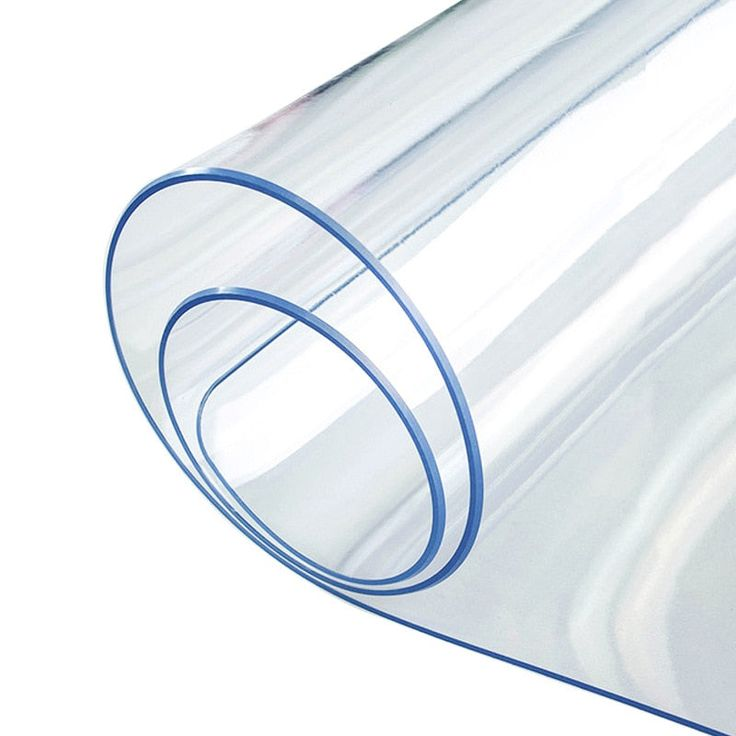
PVC: Una plastica resistente e durevole
- Rigido e robusto
PVC (Polivinil cloruro) offre robustezza strutturale, rendendolo adatto a prodotti che richiedono durabilità, come pavimenti o imballaggi.
- Usi versatili
Il PVC può essere prodotto sia in forma flessibile che rigida, che ne amplia la gamma di applicazioni.
- Conveniente
Spesso è più economico dell'EVA, soprattutto nella produzione su scala industriale.
EVA contro PVC: Differenze chiave
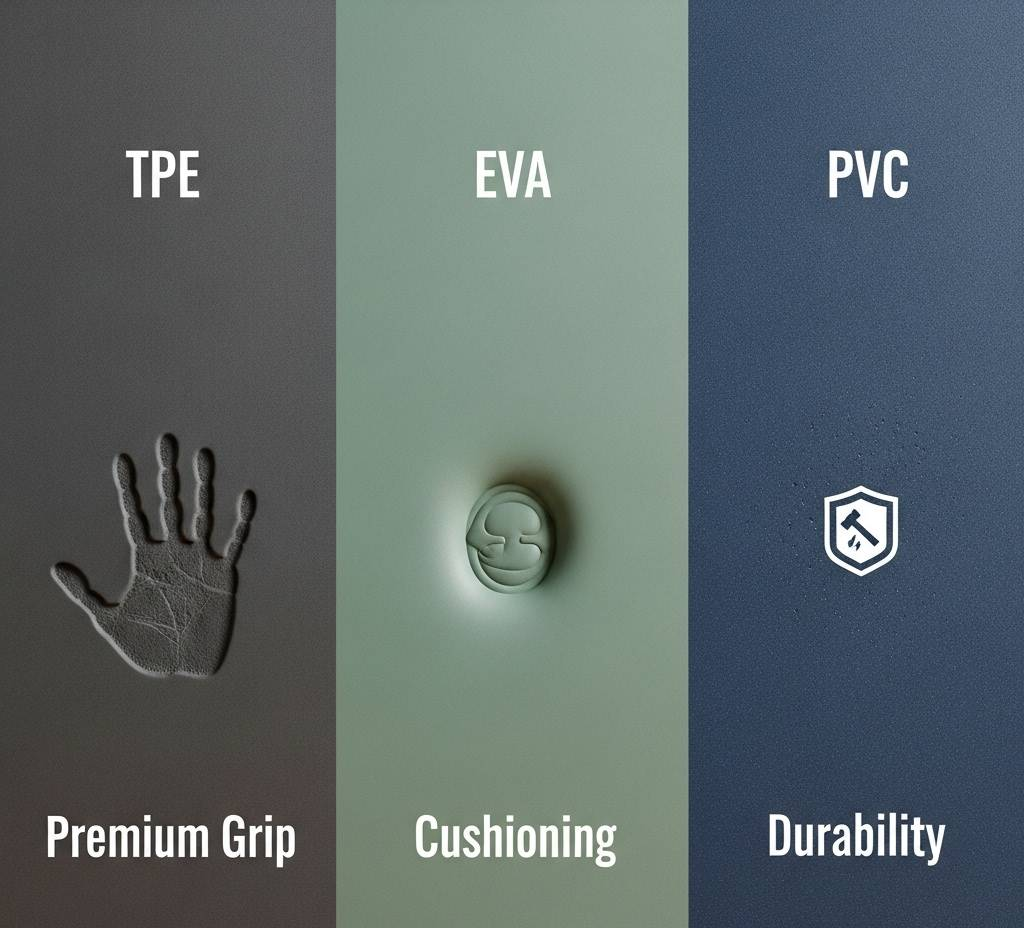
Flessibilità e comodità
- Materiale EVA rispetto al PVC: L'EVA è altamente flessibile e ammortizzante, mentre il PVC è più rigido e meno tollerante sotto pressione.
- Le applicazioni contano: Per suole di scarpe, tappetini da yoga, o custodie protettive morbide, La flessibilità dell'EVA offre comfort e assorbimento degli urti. PVC, al contrario, è più adatto per articoli rigidi come pannelli o contenitori di imballaggio.
Tossicità e Sicurezza
- EVA è più sicuro: L'EVA è considerato meno tossico ed è generalmente sicuro per i prodotti di consumo che entrano in contatto con la pelle.
- Preoccupazioni per il PVC: Alcune formulazioni di PVC rilasciano sostanze chimiche nocive come gli ftalati, rendendoli meno adatti ai prodotti indossabili.
- Impatto ambientale: L'EVA è più facile da riciclare in molti casi e presenta meno problemi ambientali rispetto al PVC tradizionale.
Resistenza all'acqua
- Impermeabilizzazione EVA: L'EVA può esserlo 100% impermeabile quando modellato o sigillato, ecco perché è popolare nelle scarpe da acqua e nelle custodie impermeabili.
- Resistenza al PVC: Il PVC è resistente all'acqua ma può assorbire l'umidità in determinate forme o se sottoposto a un'esposizione prolungata.
- Implicazioni pratiche: Per attrezzature da esterno o imballaggi impermeabili, L'EVA spesso supera il PVC in termini di resistenza all'acqua a lungo termine.
Pro e contro dell'EVA
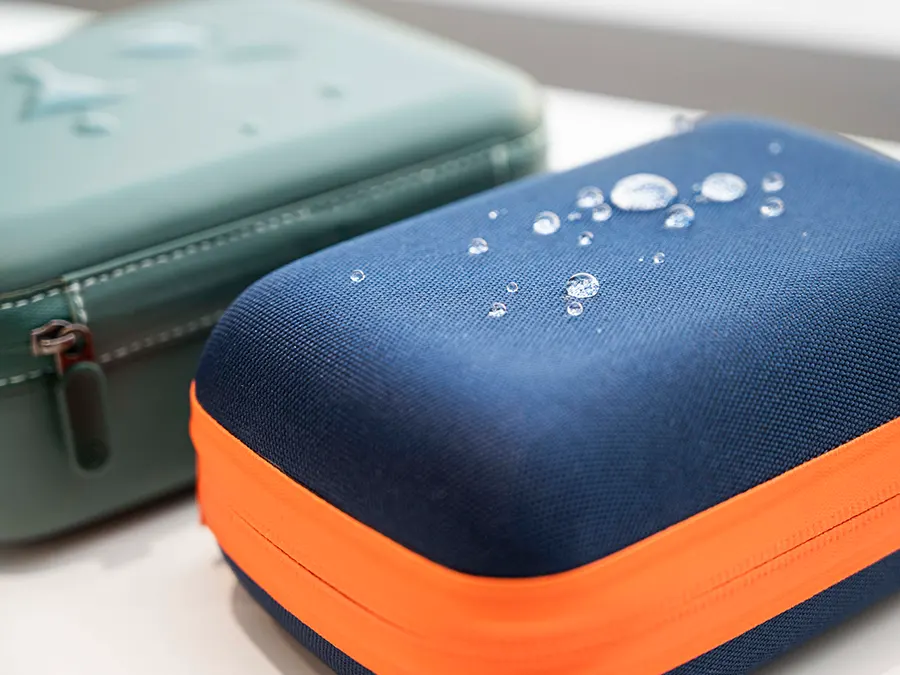
Vantaggi di Eva
- Leggero e portatile: Ideale per scarpe, stuoie, e custodie che devono essere trasportate o indossate comodamente.
- Assorbimento d'urto: Protegge i piedi, attrezzatura, o articoli imballati da urti.
- Meno tossico: Sicuro per il contatto prolungato con la pelle.
- Resistenza all'acqua e ai raggi UV: Mantiene le prestazioni in caso di esposizione alla luce solare o all'umidità.
Svantaggi dell'EVA
- Sensibilità al calore: Può deformarsi se sottoposto a calore elevato o compressione prolungata.
- Costo più elevato: Può essere più costoso del PVC in alcune applicazioni, soprattutto nella produzione su larga scala.
- Compressione nel tempo: Nel corso degli anni di utilizzo, L'EVA potrebbe perdere gradualmente il suo effetto ammortizzante.
Pro e contro del PVC
Vantaggi del PVC
- Durevole e forte: Adatto per prodotti che richiedono un'elevata integrità strutturale.
- Conveniente: Spesso più economico dell'EVA, rendendolo ideale per applicazioni su larga scala o industriali.
- Versatile: Può essere prodotto sia in forme flessibili che rigide per soddisfare le diverse esigenze.
Svantaggi del PVC
- Meno comodo: Più rigido e meno tollerante sotto pressione rispetto all'EVA.
- Rischi di tossicità: Il PVC lavorato in modo improprio può rilasciare sostanze chimiche dannose per l'uomo e l'ambiente.
- Preoccupazioni ambientali: Il PVC è meno ecologico e più difficile da riciclare rispetto all’EVA.
Domande frequenti su EVA VS PVC
Qual è la differenza tra schiuma EVA e PVC?
La schiuma EVA è morbida, leggero, e ammortizzazione, rendendolo ideale per le calzature, attrezzatura sportiva, e custodie protettive. La schiuma di PVC è più dura, più denso, e più rigido, comunemente usato in edilizia, pavimentazione, e imballaggio. Insomma, L'EVA enfatizza il comfort e la flessibilità, mentre il PVC enfatizza resistenza e durata.
L'EVA è meno tossico del PVC?
SÌ. L'EVA è generalmente più sicuro per il contatto con la pelle ed è considerato meno tossico del PVC, che possono rilasciare sostanze chimiche come gli ftalati se non adeguatamente stabilizzati. Ciò rende EVA il preferito scelta per le scarpe, prodotti indossabili, e custodie protettive.
È EVA 100% impermeabile?
EVA può essere completamente impermeabile quando modellato o sigillato, rendendolo eccellente per le scarpe da acqua, stuoie, e custodie impermeabili. Il PVC è resistente all'acqua, ma l'EVA spesso fornisce una protezione superiore a lungo termine contro l'umidità.
Applicazioni di EVA e PVC
Applicazioni EVA
- Calzature: L'EVA è ampiamente utilizzato nelle suole e nei sottopiedi delle scarpe (cos'è Eva per le scarpe).
- Custodie protettive: Leggero e ammortizzante, ideale per l'elettronica, telecamere, e altri dispositivi (produttore della custodia applicazioni).
- Tappetini per lo sport e lo yoga: Ammortizzato e confortevole per gli appassionati di fitness.
- Prodotti impermeabili: Adatto per scarpe da acqua, stuoie, e attrezzatura esterna.
Applicazioni in PVC
- Materiali da costruzione: Tubi, pannelli, e pavimentazione.
- Confezione: Imballaggi industriali o contenitori rigidi.
- Gonfiabili e giocattoli: Durevole e modellabile per prodotti ricreativi.
- Applicazioni sensibili ai costi: Quando è necessaria la rigidità ma il budget è una preoccupazione.
Conclusione
La scelta tra il materiale plastico EVA e il PVC dipende dallo scopo del prodotto e dai requisiti prestazionali. Se hai bisogno di leggerezza, flessibile, e materiali sicuri per la pelle, EVA è la soluzione giusta, soprattutto per le scarpe, custodie protettive, e prodotti impermeabili. D'altra parte, se la tua priorità è la rigidità, durabilità, ed efficienza in termini di costi, Il PVC potrebbe essere la scelta migliore.
Comprendere il materiale EVA rispetto al PVC lo garantisce produttori di custodie e i progettisti di prodotto prendono decisioni informate che bilanciano le prestazioni, sicurezza, e costo. Con la scelta giusta, i tuoi prodotti possono essere pratici e durevoli, soddisfacendo al contempo le esigenze dei tuoi clienti.
Se stai cercando custodie EVA personalizzate di alta qualità o una guida esperta sulla scelta del materiale giusto per il tuo prossimo progetto, visitaci a kfcase.com. Il nostro team è pronto ad aiutarti a creare prodotti di alta qualità, custodie ad alte prestazioni su misura per il tuo marchio.