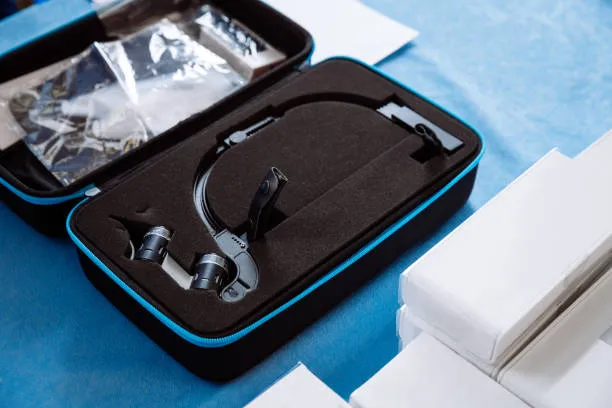
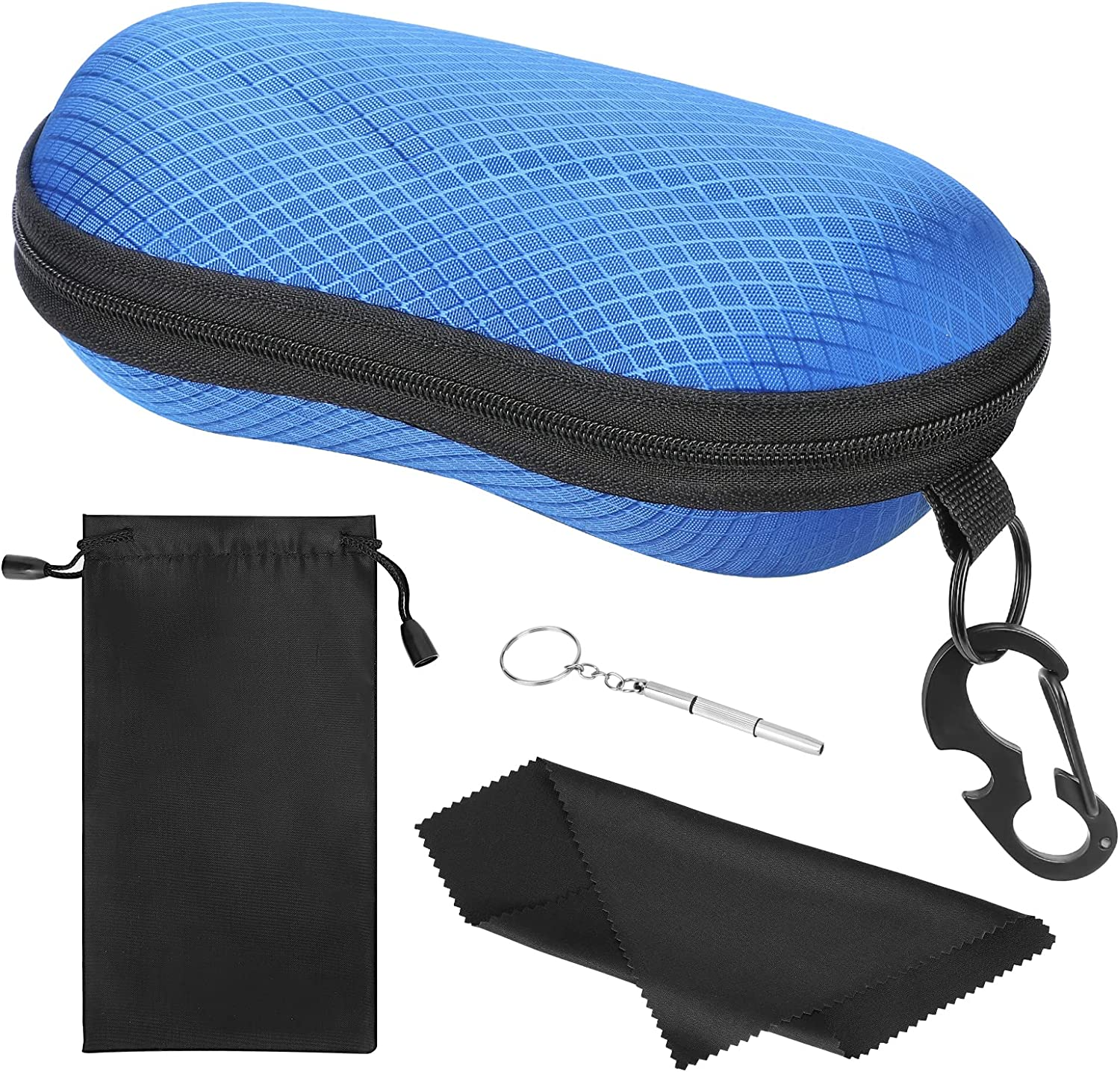
A poorly made custom EVA case puts your product at risk and instantly damages your brand’s reputation. Yet, many buyers only discover they’ve partnered with the wrong EVA case manufacturer when mass production is already delayed, over budget, or failing quality checks.
To avoid costly surprises, you need to look past a supplier’s initial quote and dig into their actual capabilities. Before you approve a prototype or wire a deposit, ask potential manufacturing partners these specific questions to verify their engineering depth, quality control, and true production capacity.
Design and Prototyping Capabilities
Do You Offer In-House Design and Engineering Support?
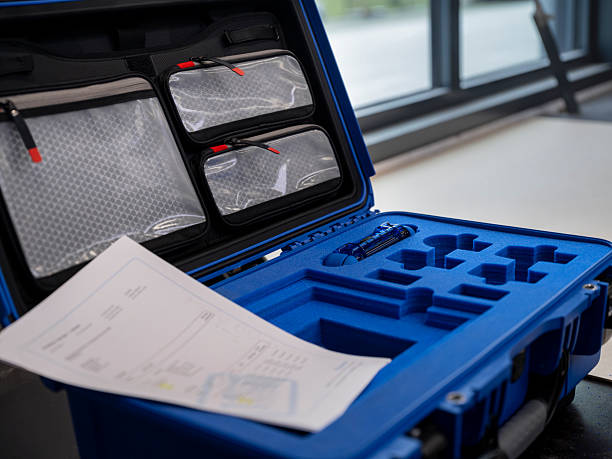
Ask whether the manufacturer provides in-house CAD and 3D structural design, as well as DFM support. DFM means design for manufacturability, and it helps reduce rework and speed up iteration. A strong partner should explain how they confirm critical details such as zipper routing, handle reinforcement, stress points, and opening angle before sampling.
What Customization Options Can You Accommodate?
Confirm which structures and finishes they can execute consistently, including thermoformed EVA shells, laminated exterior materials, logo methods, and custom interiors like EVA foam or die-cut inserts. Ask which custom options are proven in mass production and which are new to them, because prototype success does not always translate into stable yield at scale.
How Does Your Prototyping Process Work and Are Mold Fees Refundable?
Request a step-by-step sampling workflow that covers drawing approval, prototype, revision rounds, pre-production sample, and mass production. This kind of structured prototyping workflow is common in EVA case manufacturing.
For molds and tooling, clarify what triggers a new mold, who owns it, how it is stored, and whether any tooling fee can be credited back after you reach an agreed order volume.
Production Capacity and Scalability
What is Your True Minimum Order Quantity?
Do not accept a single MOQ number without context. Ask for the true MOQ by SKU, by color, and by logo method, and confirm whether there is a minimum order value.
Can Your Factory Scale Quickly with Our Changing Needs?
Ask how they handle ramp-ups through extra shifts, added lines, and backup machines for critical steps. You should also ask for a realistic lead-time range by season and whether they can support staggered shipments when demand spikes.
Quality Control and Material Standards
What Are Your Internal Quality Assurance Processes?
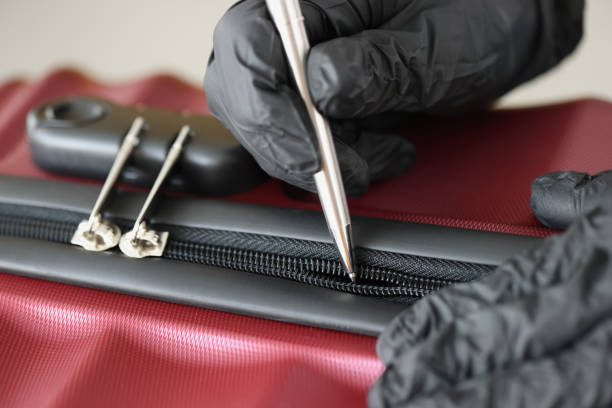
A credible factory should explain incoming inspection, in-process checks, and final inspection standards covering fit, bonding, lamination, stitching, zipper smoothness, and cosmetic defects. Clear process checkpoints like these are part of how EVA case manufacturing quality is typically controlled.
Do Your Materials Comply with International Standards?
Ask which compliance requirements they support for your market and request current test reports for the exact materials used in your build. Buyers commonly evaluate suppliers on compliance documentation and material testing records.
Do You Offer Sustainable or Eco-Friendly EVA Material Options?
If sustainability is part of your brand promise, ask what eco-friendly means in their supply chain, such as recycled content, reduced-VOC adhesives, or alternative fabrics, and request proof such as certificates, traceability, or test data. Also, confirm whether any greener option changes hardness, odor, or color stability.
Supply Chain and Inventory Management
Do You Offer VMI or JIT Delivery Solutions?
If you run frequent replenishment, ask whether they can support VMI or JIT delivery with agreed safety stock and release schedules. Even if they cannot warehouse finished goods, they may still reserve key raw materials to shorten replenishment lead times.
How Do You Handle Supply Chain Disruptions?
Ask what happens if a core material is delayed, including approved alternates, pre-approved color matching ranges, and escalation timelines. If you are sourcing internationally, set expectations for proactive updates, because communication gaps are a common cause of schedule risk.
Communication and IP Protection

How Do You Protect Our Intellectual Property and Designs?
Ask for a clear IP process, including NDA use, drawing access control, mold ownership terms, and whether they will produce only for your brand using your tooling. If you are developing a unique internal layout, confirm how they prevent your design files from being reused.
What is Your Communication Protocol and Expected Response Time?
Sampling loops often come from unclear approvals, so set expectations for response time, time-zone overlap, and what must be confirmed in writing. Make sure the specifications, tolerances, color standards, and packaging requirements are approved before production begins.
Industry Experience and Proven Results
Can You Share Case Studies from My Specific Industry?
Ask for proof in your category, such as medical devices, electronics, tools, beauty, or eyewear, and request photos plus the performance requirements they met. A factory that has built similar cases can flag risks early in the structure, lining, and insert design.
Warning Signs of Unreliable Manufacturers
Selecting the wrong supplier can result in costly delays, compromised product protection, and damage to your brand reputation. When vetting custom EVA case manufacturers, watch out for these critical red flags:
- Bait-and-Switch on Material Density: A massive red flag is a supplier who provides a rigid, high-density 75D EVA foam prototype but secretly switches to a cheaper, softer 45D foam for mass production to pad their margins. Always mandate that mass production units match the approved golden sample exactly.
- Refusal of Live Video Audits: If a supplier makes endless excuses when you request a live video tour of their thermoforming machines and sewing lines, they are likely a trading company masquerading as a factory. Real manufacturers are proud to showcase their production capabilities and quality control stations.
- Abnormally Low “Hollow” Quotes: Be extremely wary of quotes that drastically undercut the market average. Unreliable suppliers often use low initial unit prices as bait, only to later ambush you with exorbitant fees for mold setups, custom zipper pullers, basic packaging, or essential quality control inspections.
- Vague Lead Time Commitments: An untrustworthy factory will offer enthusiastic but empty promises like “no problem, very fast” without providing a detailed Gantt chart. If they cannot break down the timeline into clear phases for raw material sourcing, mold tooling, pilot runs, and mass production, your project is guaranteed to face severe delays.
Partner with KinFish Case to Build Your Success
Quick Checklist
Use this quick checklist to vet any EVA case supplier before you order. If they can answer every question clearly and in writing, you reduce most sourcing risk.
- Do you offer in-house design and engineering support?
- What customization options can you accommodate?
- How does your prototyping process work and are mold fees refundable?
- What is your true minimum order quantity?
- Can your factory scale quickly with our changing needs?
- What are your internal quality assurance processes?
- Do your materials comply with international standards?
- Do you offer sustainable or eco-friendly EVA material options?
- Do you offer VMI or JIT delivery programs?
- How do you handle supply chain disruptions?
- How do you protect our intellectual property and designs?
- What is your communication protocol and expected response time?
- Can you share case studies from my specific industry?
Final Thoughts
If you want a manufacturing partner who can cover this entire checklist with confidence, KinFish Case is a strong fit. We support projects from design and prototyping through stable mass production, backed by quality documentation and IP protection.
Ready to turn your concept into a production-ready EVA case? Contact us today to discuss your project requirements and request a detailed quotation.