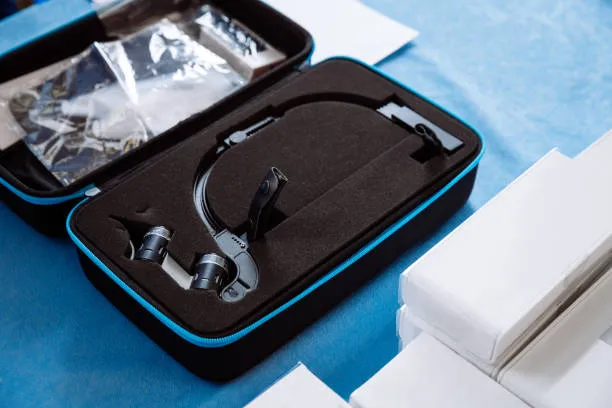
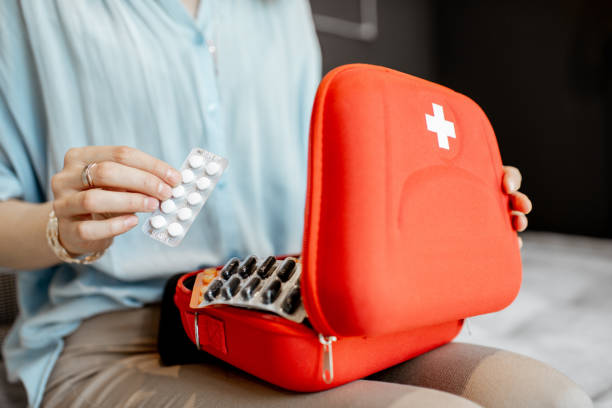
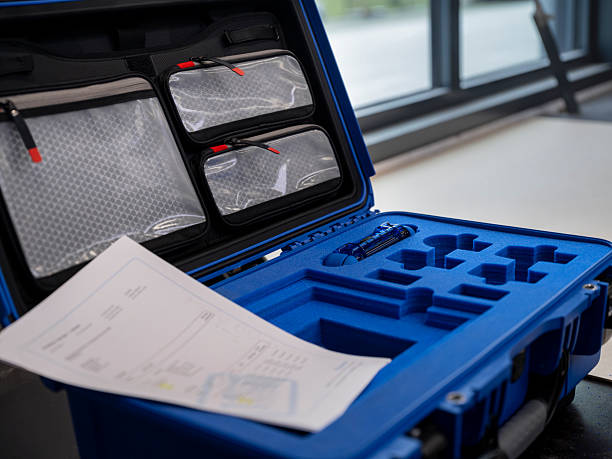
Когда дело доходит до выбора подходящего материала для изделий, начиная от обуви и заканчивая защитными чехлами., ЭВА и ПВХ часто выступают в качестве главных претендентов. Оба материала обладают уникальными свойствами., но понимая свои сильные стороны, ограничения, и типичные применения важны как для производителей, так и для потребителей. Являетесь ли вы производитель чехлов или просто интересно узнать о различиях, это руководство поможет вам принять обоснованное решение.
| Особенность / Свойство | Ева (Этиленвинилацетат) | ПВХ (Поливинилхлорид) |
| Гибкость | Высокая гибкость, мягкий, амортизация | От умеренной до жесткой, менее гибкий |
| Масса | Легкий вес | Тяжелее |
| Долговечность | Прочный, но со временем может сжаться | Очень прочный, сильный |
| Токсичность / Безопасность | Менее токсично, безопасный для кожи | Может выделять вредные химические вещества (фталаты) |
| Водонепроницаемость | Отличный, может быть полностью водонепроницаемым | Водостойкий, но со временем может впитывать влагу. |
| Устойчивость к ультрафиолетовому излучению | Хороший, устойчив к УФ-деградации | Умеренный, может деградировать под длительным воздействием УФ-излучения |
| Расходы | Немного дороже | Экономичный, дешевле для массового производства |
| Приложения | Подошвы для обуви, спортивные коврики, защитные чехлы, водная обувь | Трубы, полы, жесткая упаковка, надувные лодки |
| Воздействие на окружающую среду | Легче переработать, менее вреден для окружающей среды | Сложнее переработать, менее экологичный |
Что такое ЭВА и ПВХ?
Ева: Гибкий и легкий материал
- Мягкий и амортизирующий
Ева (Этиленвинилацетат) ценится за мягкость и гибкость, что делает его идеальным для применений, где важны комфорт и поглощение ударов., такие как подошва обуви.
- Легкий вес
Низкая плотность гарантирует, что изделия, изготовленные из ЭВА, останутся легкими и портативными., что особенно ценно для носимых предметов и портативных защитных чехлов..
- Безопасный для кожи
ЭВА, как правило, менее токсичен, чем ПВХ., это означает, что это безопаснее при длительном контакте с кожей..
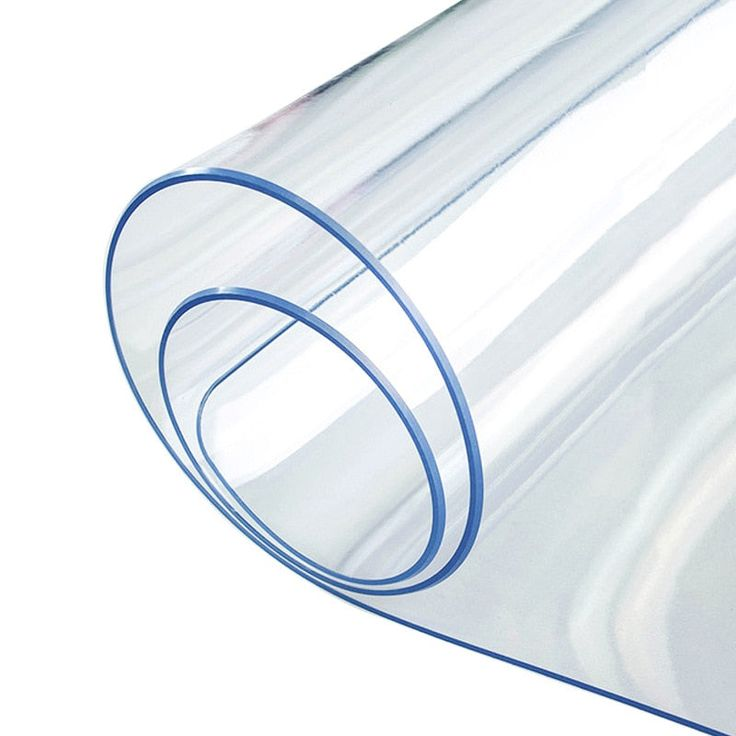
ПВХ: Прочный и долговечный пластик
- Жесткий и крепкий
ПВХ (Поливинилхлорид) обеспечивает структурную прочность, что делает его подходящим для продуктов, требующих долговечности, например, напольное покрытие или упаковка.
- Универсальное использование
ПВХ может быть изготовлен как в гибкой, так и в жесткой форме., что расширяет сферу применения.
- Экономичный
Часто это дешевле, чем EVA., особенно в промышленном производстве.
ЭВА против ПВХ: Ключевые различия
Гибкость и комфорт
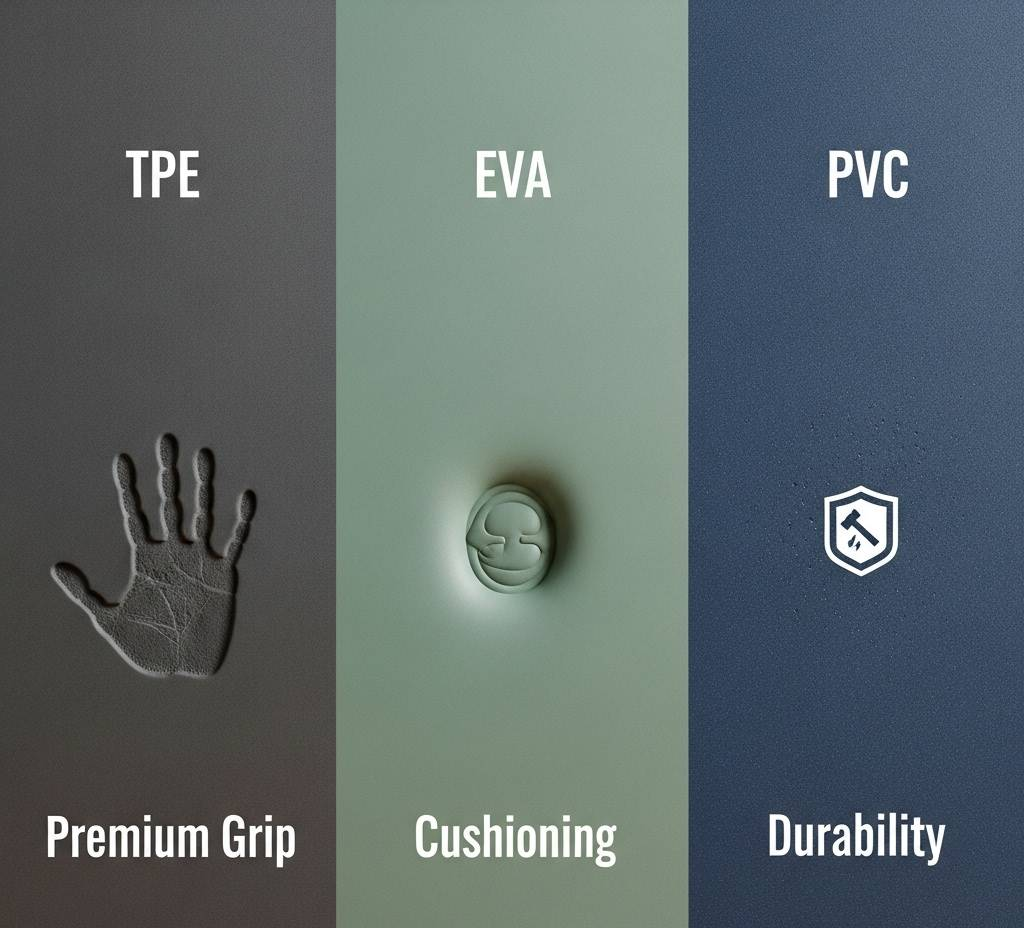
- Материал ЭВА против ПВХ: EVA очень гибкий и амортизирующий., тогда как ПВХ более жесткий и менее устойчив к давлению..
- Приложения имеют значение: Для подошв обуви, йога коврики, или мягкие защитные чехлы, Гибкость EVA обеспечивает комфорт и амортизацию.. ПВХ, в отличие, больше подходит для жестких предметов, таких как панели или упаковочные контейнеры.
Токсичность и безопасность
- Выход в открытый космос безопаснее: ЭВА считается менее токсичным и, как правило, безопасен для потребительских товаров, контактирующих с кожей..
- Проблемы ПВХ: Некоторые составы ПВХ выделяют вредные химические вещества, такие как фталаты., что делает их менее подходящими для носимых продуктов.
- Воздействие на окружающую среду: ЭВА во многих случаях легче перерабатывать, и он вызывает меньше экологических проблем, чем традиционный ПВХ..
Водонепроницаемость
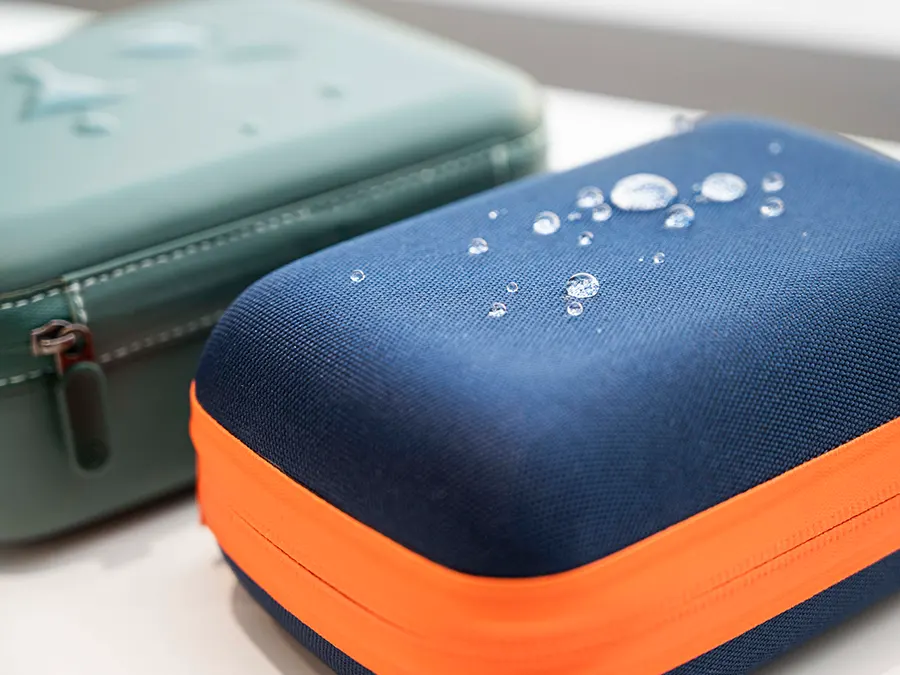
- ЭВА гидроизоляция: Ева может быть 100% водонепроницаемость в формованном или запечатанном состоянии, Вот почему он популярен в водной обуви и водонепроницаемых чехлах..
- Сопротивление ПВХ: ПВХ водостойкий, но может впитывать влагу в определенных формах или при длительном воздействии..
- Практические последствия: Для уличного снаряжения или водонепроницаемой упаковки, ЭВА часто превосходит ПВХ по долговременной водостойкости..
Плюсы и минусы ЭВА
Преимущества Евы
- Легкий и портативный: Идеально подходит для обуви, коврики, и чехлы, которые нужно носить или носить с комфортом.
- Шоковой поглощение: Защищает ноги, оборудование, или упакованные предметы от ударов.
- Менее токсично: Безопасен при длительном контакте с кожей..
- Устойчивость к воде и ультрафиолету: Сохраняет работоспособность под воздействием солнечного света или влаги..
Недостатки ЭВА
- Тепло чувствительность: Может деформироваться при высокой температуре или длительном сжатии..
- Более высокая стоимость: В некоторых случаях может быть дороже, чем ПВХ., особенно в крупном производстве.
- Сжатие с течением времени: За годы использования, EVA может постепенно потерять свой амортизирующий эффект.
Плюсы и минусы ПВХ
Преимущества ПВХ
- Прочный и сильный: Подходит для продуктов, требующих высокой структурной целостности..
- Экономичный: Зачастую дешевле, чем EVA., что делает его идеальным для крупномасштабного или промышленного применения.
- Универсальный: Может быть изготовлен как в гибкой, так и в жесткой форме для удовлетворения различных потребностей..
Недостатки ПВХ
- Менее удобно: Более жесткий и менее снисходительный к давлению по сравнению с EVA..
- Риски токсичности: Неправильно обработанный ПВХ может выделять химические вещества, вредные для человека и окружающей среды..
- Экологические проблемы: ПВХ менее экологичен и его труднее перерабатывать, чем ЭВА..
Часто задаваемые вопросы об ЭВА и ПВХ
В чем разница между ЭВА и пеной ПВХ?
Пена ЭВА мягкая., легкий вес, и амортизация, что делает его идеальным для обуви, спортивное снаряжение, и защитные чехлы. Пенопласт ПВХ более твердый., плотнее, и более жесткий, обычно используется в строительстве, полы, и упаковка. Суммируя, EVA подчеркивает комфорт и гибкость, в то время как ПВХ подчеркивает прочность и долговечность.
Является ли ЭВА менее токсичным, чем ПВХ??
Да. ЭВА, как правило, безопаснее при контакте с кожей и считается менее токсичным, чем ПВХ., которые могут выделять химические вещества, такие как фталаты, если их не стабилизировать должным образом.. Это делает EVA предпочтительным выбор для обуви, носимые продукты, и защитные чехлы.
Ева 100% водонепроницаемый?
Ева может быть полностью водонепроницаемый при формовании или запечатывании, что делает его отличным для водной обуви, коврики, и водонепроницаемые чехлы. ПВХ водостойкий., но ЭВА часто обеспечивает превосходную долговременную защиту от влаги..
Применение ЭВА и ПВХ
Приложения EVA
- Обувь: ЭВА широко используется в подошвах и стельках для обуви. (что такое Ева для обуви).
- Защитные чехлы: Легкий и амортизирующий, идеально подходит для электроники, камеры, и другие устройства (производитель чехлов приложения).
- Коврики для спорта и йоги: Мягкий и удобный для любителей фитнеса.
- Водонепроницаемые продукты: Подходит для водной обуви., коврики, и уличное снаряжение.
Приложения из ПВХ
- Строительные материалы: Трубы, панели, и полы.
- Упаковка: Промышленная упаковка или жесткие контейнеры.
- Надувные лодки и игрушки: Прочный и пластичный для товаров для отдыха..
- Экономически чувствительные приложения: Когда необходима жесткость, но важен бюджет.
Заключение
Выбор между пластиком EVA и ПВХ зависит от назначения вашего продукта и требований к производительности.. Если вам нужен легкий, гибкий, и безопасные для кожи материалы, EVA — идеальное решение, особенно для обуви, защитные чехлы, и водонепроницаемые изделия. С другой стороны, если ваш приоритет — жесткость, долговечность, и экономическая эффективность, ПВХ может быть лучшим выбором.
Понимание материалов EVA и ПВХ гарантирует, что производители чехлов и дизайнеры продуктов принимают обоснованные решения, которые обеспечивают баланс производительности, безопасность, и стоимость. При правильном выборе, ваша продукция может быть практичной и долговечной, одновременно удовлетворяя потребности ваших клиентов.
Если вы ищете специальные чехлы из ЭВА премиум-класса или экспертные рекомендации по выбору подходящего материала для вашего следующего проекта., посетите нас в kfcase.com. Наша команда готова помочь вам создать качественный, высокопроизводительные чехлы, созданные специально для вашего бренда.